South Africa: A Young Feminist’s Leadership Journey Rooted in Climate and Gender Justice

Background
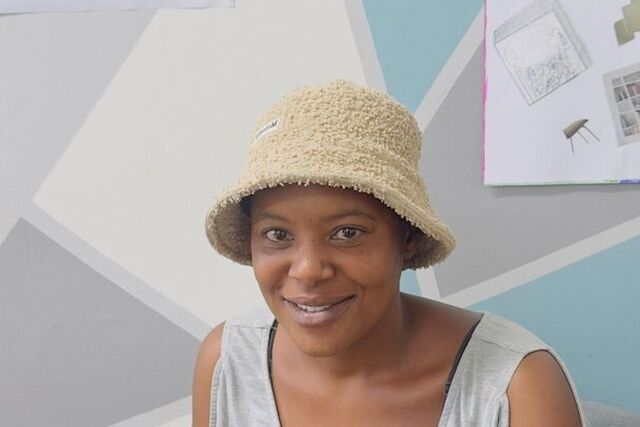
Mthembukazi “Kazi” Bavuma, a 26-year-old feminist climate activist from Cape Town, has been shaping conversations at the intersection of gender and climate justice for years. Her journey began in high school when she first engaged with Project 90 by 2030, an organisation committed to climate action. Years later, she returned as Programme Administrator and Gender Campaign Lead, bringing her passion for social transformation and public administration into a professional role. Before joining the OurClimateAGender Project, Kazi observed a troubling gap: structurally excluded voices - young women, LGBTQIA+ individuals, and those from under-resourced communities were either tokenised or absent from climate decision-making spaces. Policies were being drafted without the lived realities of those most affected. The OurClimateAGender Project was designed to close this gap by embedding feminist approaches into climate advocacy, building intersectional networks, and strengthening youth leadership.
The Change
Under Kazi’s leadership, the change has been profound, both personally and organisationally. Project 90 has shifted from inclusion as a checkbox to inclusion as a principle. Gender-transformative practices are now woven into programme design, ensuring that marginalised voices are not just invited but centred. Kazi has spearheaded spaces of co-creation and healing, where young activists feel empowered to speak truth to power. Through Open Space dialogues, the OurClimateAGENDER podcast, and coalition-building efforts, youth leaders are influencing decisions rather than merely attending meetings. Institutions are beginning to respond, creating platforms for feminist leadership and intersectional advocacy.
How Did This Change Come About?
The transformation was driven by sustained feminist leadership and intentional strategies:
- Youth dialogues and coalition building to amplify structurally excluded voices.
- Intersectional frameworks integrated into programme planning and evaluation.
- Participatory methods that prioritise community realities over top-down approaches.
- Digital storytelling platforms like podcasts to democratise knowledge and advocacy.
Kazi’s vision has ensured that policies and events now include space for youth feminist leadership. Structured engagement between civil society, youth networks, and government stakeholders is becoming the norm.
Evidence of Impact
The impact is visible in multiple ways:
- Official recognition: Engagement with provincial departments and coalitions reflects institutional commitment to collaboration.
- Strategic meetings: Regular reporting lines feedback to Kazi as Gender Campaign Lead, ensuring accountability.
- Digital traction: Social media engagement has surged, particularly around events like World Oceans Day dialogues and NDC-related advocacy.
These milestones demonstrate that feminist climate leadership is no longer peripheral. It is shaping the agenda.
Story of Change Quotes:
Quote 1
Natalie - Kazi’s changed this year and we love to see it!
Quote 2:
Noma - She’s doing wonderful work – keep it up girl.
Quote 3:
Lisa - Working with Kazi gave me the confidence to take up space as a youth climate leader and not just attend but influence decisions.
These voices affirm that Kazi’s work is not only transforming systems but inspiring individuals to claim their power.
Sustainability and Next Steps
The journey continues with bold plans:
- Coalition development to strengthen feminist climate networks.
- Podcasts and digital storytelling to amplify diverse voices.
- Feminist funding strategies to scale intersectional work.
- Capacity building for community-based researchers and holistic advocacy practices.
- Deeper collaboration with government departments to institutionalise inclusive approaches.
By embedding these strategies, Project 90 ensures that the momentum created by leaders like Kazi will endure.
Why This Matters
Climate change is not gender-neutral. Its impacts intersect with systemic inequalities, making feminist leadership essential for sustainable solutions. Kazi’s story is a powerful reminder that when young women lead, they bring creativity, resilience, and justice to the forefront of climate action. Her journey reflects a broader truth: transformative change begins when those most affected are given the tools and the trust to lead.
By: Mthembukazi Bavuma
Comments
Related Stories Of Change