Nigeria: In Benue, local chief pledges support for continued awareness on inclusive SRHR for women with disabilities

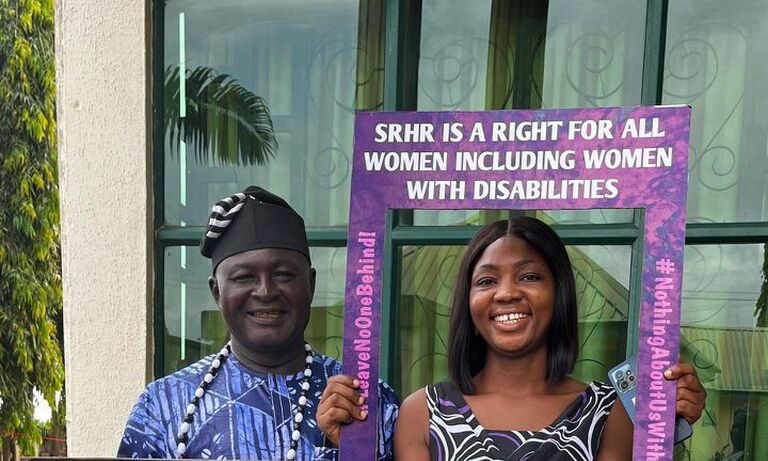
Women and girls with disabilities in Gboko Local Government Area of Benue State have historically been excluded from sexual and reproductive health and rights (SRHR) information and services. Healthcare facilities were largely inaccessible, confidentiality was often breached, and harmful stereotypes reinforced the belief that women with disabilities were asexual or undeserving of reproductive choice.
In January 2024, a baseline assessment revealed that many women lacked basic SRHR knowledge. Some had given birth without antenatal care, while others resorted to unsafe abortion after being denied essential services. Stigma, discrimination, and fear prevented them from seeking care.
As part of her WOSSO fellowship, Jennifer Abomnger founded the Grassroots Women with Disabilities Alliance to strengthen advocacy and create safe spaces for women with disabilities. Her project focused on empowering women with knowledge, building confidence, and transforming attitudes among healthcare providers, traditional authorities, and community leaders.
The Values Clarification and Attitude Transformation (VCAT) training brought together women with disabilities, healthcare workers, religious figures, and traditional rulers. Through storytelling and facilitated dialogue, misconceptions about disability, sexuality, and SRHR were confronted. Women openly shared experiences of stigma and denial of services—many for the first time.
A breakthrough occurred when the community chief publicly committed to supporting the continuation of SRHR awareness activities. He pledged to mobilise leaders across the community and initiate monthly or quarterly engagements beginning in February 2026. This commitment shifted the initiative from a one-off intervention to a sustained community-led process.
Women with disabilities reported increased confidence, better understanding of their rights, and greater willingness to seek SRHR services. Healthcare providers gained awareness of disability-inclusive and rights-based care. Traditional and religious leaders recognised stigma as a barrier and committed to challenging harmful norms. The wider community also benefited through strengthened accountability and reduced discrimination.
The rehabilitated relationships between rightsholders and duty bearers have paved the way for long-term community ownership. Through the Grassroots Women with Disabilities Alliance, women continue to build peer networks, advocate for inclusive services, and challenge discriminatory practices.
This project demonstrates that when communities centre lived experiences and embrace inclusive dialogue, sustainable change becomes possible. The momentum generated in Gboko stands as a replicable model for advancing disability-inclusive SRHR in rural settings across Nigeria.
Quotes
Gloria Oreke If I had gotten this information 10 years ago, the stigma and discrimination I faced during pregnancy would have been different.
Dooshima Gudu Being part of this community has opened my eyes and helped me make greater impact through my organisation.
Zaki, Moses Amachii We as a community have neglected women with disabilities. We will now mobilise to create more awareness of their rights.