
Mauritius: Safe Haven Halfway Home

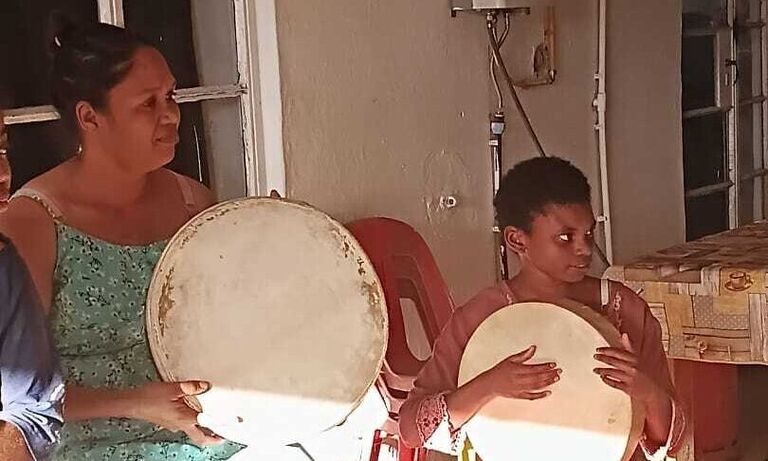
The Safe Haven Halfway Home (SHHH) was established in Melrose as a dedicated transitional housing model led by Gender Links Mauritius in partnership with Young Queer Alliance (YQA) and Media Watch. The project emerged to address the lack of safe transitional housing for women survivors of gender-based violence, children affected by violence, youth exiting Residential or Correctional Youth Centres, and young women leaving children’s shelters without family support. These groups faced heightened risks of homelessness, exploitation, re-victimisation and social exclusion.
Through the provision of safe accommodation, structured case management, psychosocial support and linkages to health, legal, education and employment services, SHHH bridges the gap between emergency shelter and independent living. Survivors are supported to stabilise, heal and rebuild their lives. The home operates on survivor-centred and rights-based principles, ensuring inclusion of women, youth, children and LGBTIQ+ survivors. The project strengthened partnerships with state institutions, community organisations and service providers to create an integrated protection pathway.
Key actions driving this change included the operationalisation of the Safe Haven facility; the delivery of safety planning and psychosocial services; and the establishment of strong referral networks. Youth leaving institutional care were supported through life skills development and structured reintegration pathways.
The change has been overwhelmingly positive. Before SHHH, there was no dedicated halfway home in Mauritius. Survivors often had no option but to return to violent environments or remain homeless. Youth exiting institutional care frequently entered unsafe or exploitative situations. Fragmented services meant survivors received inconsistent follow-up.
Today, SHHH provides consistent, safe, trauma-informed support. Beneficiaries gain stability, protection from violence and opportunities for reintegration. The project has become a key component of the national GBV and child protection landscape.
The significance of this change lies in its transformative impact on the response to GBV and homelessness. The initiative operationalises feminist principles such as safety, dignity and autonomy into a concrete service model. It demonstrates that inclusive, survivor-centred transitional housing is possible and effective. The project strengthens ongoing advocacy by providing evidence of what works and aligns with commitments under CEDAW, the SADC Protocol on Gender and Development and SDG 5.
Sustainability and scale-up plans focus on embedding the model within national protection systems, securing diversified funding including NSIF support, and using evidence to replicate the model in other regions. The project also supports policy influence in areas such as feminicide recognition, GBV data improvement and SOGIE-inclusive protection.
The Safe Haven Halfway Home stands as a nationally relevant demonstration model that responds to rising violence and social instability through survivor-led, partnership-driven and rights-based solutions.
Quotes
Shivanya: I realised so many things and decided firmly that I will no longer be shy.
P.G: Thanks to you I am now able to take care of my children.
W.A: I am glad today that I have a safe and secure environment to express my emotions.
Related Stories Of Change
She 'so get throw by his ex husband and also got beaten by his ex husband and she is pregnant for months she needs a shelter to leave decently with her two daughter she really needs your belp