
Zimbabwe: Women empowerment

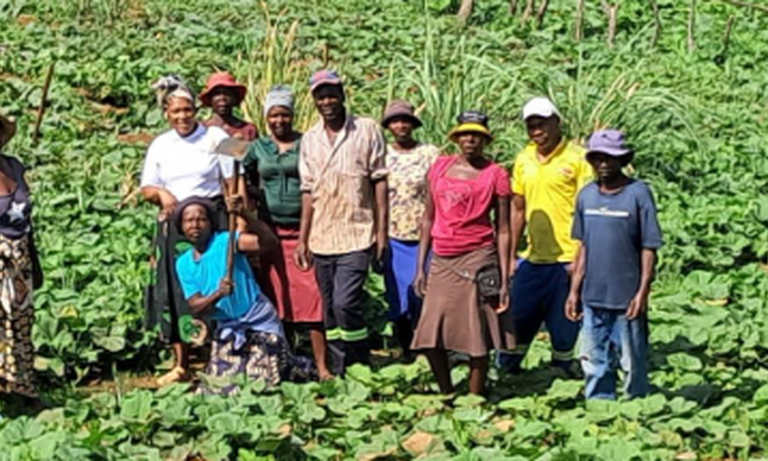
My name is Muchaneta Mashapure, a resident of Mavhurume Village and a PR Councilor for Murewa Rural District Council. I am also a tobacco farmer. This is the story of how a single community driven farming project transformed the lives of women, youth, farmers, and families in my village. I began my farming journey with a simple idea: to create opportunities for women in my community who were struggling to support their families. When I started my first tobacco project, I made a deliberate decision to employ only women. Many of these women faced heavy financial burdens. Household incomes were low, school fees often went unpaid, and access to water and farming inputs was limited.
What makes my initiative unique is that it is rooted in collective empowerment. It aligns closely with the goals of the Murewa Rural District Council, promoting sustainable agriculture, community development, environmental conservation, and improved livelihoods. My project reflects a strong belief that rural development begins with empowering the most vulnerable especially women. Before the project, farmers relied heavily on traditional methods, which produced low yields. Many families lived hand-to-mouth. Women had little access to economic opportunities and were rarely involved in decision making processes. Youths were unemployed, lacked direction, and struggled to participate meaningfully in the local economy.
The community faced chronic water shortages. Some families had to walk long distances to fetch water. School fees went unpaid, resulting in disruptions in children’s education. The village also lacked cohesion; farmers worked individually, without shared knowledge or coordinated effort. Women who worked on my tobacco project began to experience financial independence. They used their income to buy water pumps for their gardens, pay school fees on time, and support their households. The burden of poverty started to ease. For the first time, many of these women felt seen, valued, and empowered.
Farmers in the community also began embracing new farming techniques that improved yields and reduced waste. We introduced sustainable farming practices, benefiting the environment while increasing incomes. As knowledge spread, farmers became more confident in adopting modern methods a shift that has significantly improved productivity. Today, our community is more united. We have created a strong network of farmers who learn from each other, share resources, and build resilience together.
One of the biggest breakthroughs has been the empowerment of women and youth, who have now taken leadership roles in community projects. They contribute actively to village development, bringing new ideas, energy, and a commitment to ongoing progress. The project has become a platform for social cohesion, inclusivity, and long term sustainability. Families are earning more. Children are staying in school. Farmers are producing better crops. Our village is thriving. The change emerged through determination, collaboration, and a clear vision for a better future.
To support the tobacco project, I employed youths from the village to help prepare wood for the curing process. With the income they earned, they bought livestock, farm inputs, and other essentials. This enabled them to start their own projects, contributing to economic growth within the village. I also opened my borehole to the community, allowing families to access clean, reliable water. This reduced the daily burden on households and improved hygiene, crop irrigation, and overall wellbeing.
Before the project, the village was struggling with poor yields and a lack of connection. Farmers relied on old methods that did not meet their needs. Now, through training, exposure, and shared learning, the community has shifted to more effective and sustainable farming practices. Women and youth have been central to this transformation. They now participate in leadership and decision making processes and have more confidence in their abilities. Their involvement has brought innovation and unity to the community.
Muchaneta Mashapure, Zimbabwe
Comments
Related Drivers Of Change