
Zimbabwe: Women driving community-led development in Chirundu

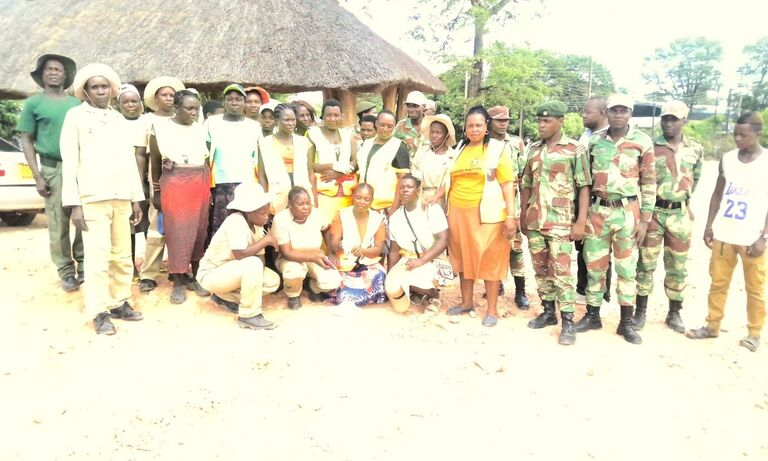
As a councillor working under the Chirundu Local Board, I could no longer ignore the gap. I saw the pressure placed on women during events, the stress of preparing food with inadequate tools, and the environmental harm from disposable waste. This became the spark for a powerful grassroots movement led by women.
Building solutions through collective action
The solution began humbly—with a meeting of committed women who were ready to act. Each member contributed just US$1. With this modest but meaningful pool of funds, we bought large cooking pots dedicated to community use. Today, these pots are celebrated as shared assets that uphold hygiene, dignity, and unity during gatherings. The initiative strengthened solidarity among women who saw, perhaps for the first time, how their collective power could lead to tangible change.
This momentum revealed deeper social concerns that required attention. Young people in Chirundu were increasingly affected by drug and substance abuse. At the same time, persons with disabilities remained isolated due to harmful misconceptions and a lack of supportive platforms.
To address this, we introduced the Doek and Slay Organisation, a vibrant women-led movement championing social awareness, youth engagement, and inclusion. Through this initiative, we held community dialogues and campaigns on drug and substance abuse. A key highlight was inviting disability rights advocate Chipo Muchegwa to challenge myths about disability and promote respect and dignity for persons with disabilities.
Together, these interventions aimed to:
- Promote hygiene and dignity at community gatherings
- Strengthen unity and shared responsibility
- Raise awareness on drug and substance abuse
- Foster inclusion of people with disabilities
- Empower women to lead and participate actively in public life
Visible transformation in Chirundu
The impact has been remarkable. With shared cooking pots now available, funerals, weddings, and national celebrations run more smoothly. Clean and hygienic cooking has become the norm, reducing reliance on disposable materials and improving environmental cleanliness.
Our anti-drug campaigns have shifted community behaviour. Teachers report improved school attendance and concentration, while many young people have joined training programmes or returned to school. The streets—once filled with idle youth—are now home to more activity, learning, and hope.
Women, too, have stepped into new spaces of leadership and expression. The Doek and Slay Organisation has become a cherished safe space for women and girls to share experiences, support one another, and speak out against child marriage and gender-based violence. It has nurtured confidence, creativity, and collective strength.
Most significantly, the stigma around disability has begun to soften. Chipo Muchegwa’s advocacy encouraged community members to question outdated beliefs and embrace the importance of inclusion. Persons with disabilities are now more present in community life, participating in events that once excluded them.
From women to schoolchildren, youth, the elderly, and persons with disabilities, the entire Chirundu community feels the positive change.
How change took root
This transformation did not happen by chance. It was built through deliberate, inclusive activities designed to bring people together. Local artists were invited to perform monthly, using music to spread strong anti‑drug messages. Schoolchildren were trained as peer educators. Women formed a netball team under the local board, offering a healthy recreational activity that boosted confidence and sisterhood. Monthly clean‑up campaigns brought people of all ages together, transforming Chirundu into a cleaner and more hygienic environment.
These activities created a culture of participation, ownership, and shared growth—emphasising that development is strongest when everyone is involved.
Sustaining and scaling the change
To ensure lasting impact, we strengthened community ownership. Youth groups, women’s clubs, schools, and local leaders now play an active role in maintaining the programmes launched.
Key strategies for sustainability include:
- Official registration of the women’s netball team, ensuring structured participation and leadership opportunities
- Monthly community event calendars, including clean‑ups, drug awareness campaigns, and artist performances
- Partnerships with local businesses and council, ensuring small but steady financial and logistical support
- Peer learning exchanges with other wards and districts to replicate successes
- Expanded engagement with schools and churches, especially for parents and young people
- Ongoing leadership training for women and youth
Through these efforts, Chirundu’s model of community-driven empowerment continues to grow—and inspire others.
Evidence of real and lasting change
The results speak for themselves:
- Reduced drug and substance abuse, reflected in improved school attendance and behaviour
- Active women’s netball team, uniting women and strengthening public participation
- Increased inclusion of persons with disabilities, backed by positive feedback from community dialogues
- Regular use of newly acquired cooking pots, proving the success of the women’s collective savings
- Youth participation in dramas, poetry, and awareness campaigns, demonstrating growing confidence and knowledge
Chirundu is a community transformed—proof that when women lead, communities rise.
By: Trish Nyamidzi
Comments
Related Drivers Of Change