
Zimbabwe: Women and children’s health in low-income households

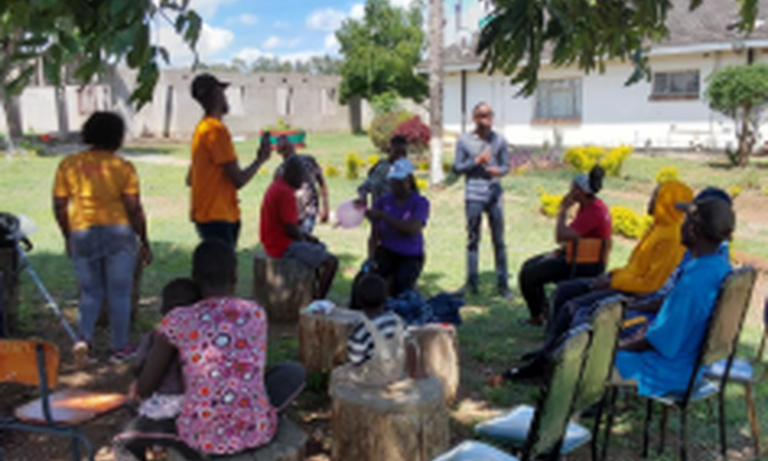
My name is Mercy Mangwanya, Ward 1 Councilor in the Midlands Province of Zimbabwe and a dedicated community health worker. For years I have worked closely with low income households, particularly women, children and vulnerable groups, to improve health outcomes in our community. What makes my work unique is that it combines formal public health programs with personal engagement walking with community members to clinics, supporting survivors of stigma, and empowering women and sex workers to take leadership in their families’ health.
Before our intervention, Ward 1 faced multiple health challenges. Malnutrition, especially among children, was common. Many families lived in poverty, with little knowledge of nutrition or access to balanced meals. Pregnant women were hesitant to attend antenatal clinics due to cultural beliefs, long distances and fear of judgement. Immunization rates were low, particularly among the Apostolic community. Sex workers a vulnerable group often excluded from formal health systems feared HIV testing due to stigma. The combination of limited health education, cultural barriers, poverty, and misinformation meant that preventable illnesses became lifelong burdens.
Our initiative sought to break this cycle by addressing each barrier systematically through health education, nutrition support, HIV awareness, family planning services, immunization campaigns, and targeted outreach. Before the initiative began, many households had no knowledge of balanced diets or breastfeeding best practices. Children suffered from severe malnutrition, including cases of kwashiorkor. Mothers were not attending antenatal appointments, leading to complications during pregnancy and unsafe deliveries. Immunization clinics sat empty.
Sex workers avoided clinics altogether. The Apostolic community avoided vaccinations due to religious teachings, putting children at high risk of preventable diseases. Drug abuse among youth, poor sanitation, low awareness of breast and cervical cancer, and reluctance to seek health services created a crisis affecting entire families. Women in low income households now have better knowledge of maternal and child health. They use nutrition education to prepare balanced meals, reducing malnutrition and severe cases of kwashiorkor. Pregnant women increasingly attend antenatal care, resulting in safer pregnancies and improved birth outcomes.
Immunization rates have increased, including HPV vaccinations for girls. Women from conservative religious communities, especially the Apostolic sect, now attend vaccination and antenatal sessions a major cultural shift built through trust and patient engagement. Sex workers, once marginalized and fearful of the health system, now access HIV testing, counselling and cervical cancer screening (VIAC). They are forming peer support groups and exploring safer, alternative livelihoods.
Our health campaigns including breast and cervical cancer awareness, World Breastfeeding Week, TB screening for artisanal miners, and drug abuse awareness have reached hundreds. These campaigns not only educated but created unity as participants proudly wore campaign T-shirts, reinforcing a sense of collective commitment to health. The change is visible everywhere: improved hygiene, increased clinic attendance, healthier children, confident mothers, informed youth, and strengthened community participation.
Mercy Mangwanya, Zimbabwe
Comments
Related Drivers Of Change