
Zimbabwe: The ripple effects: How one change maker is rewriting the narrative for women.

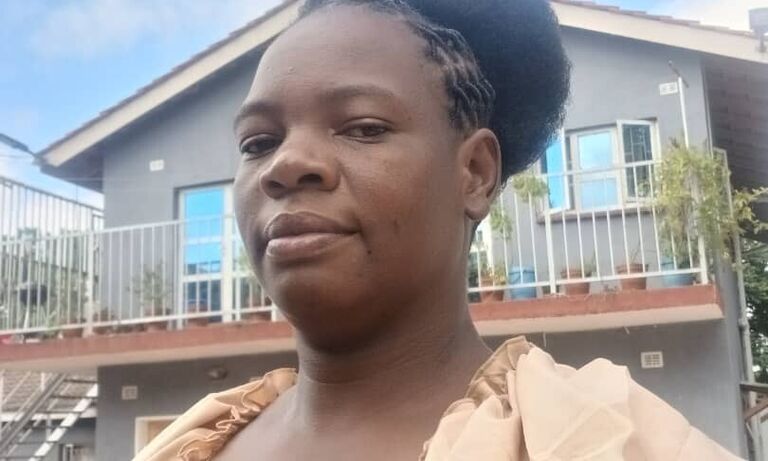
Sharlon Gutsa, is an elected ward councilor for Bindura Rural District Council. She had committed herself to offering a voice to the unheard by articulating localized and specific needs of women within her ward and beyond. She had witnessed for many years, women in her community being subjected to widespread Gender-Based Violence (GBV) mostly being driven by harmful patriarchal norms and deep economic dependence. She also attributed this to women being financially reliant on their husbands, women having limited bargaining power which usually leads to increased vulnerability that would trap them in cycles of emotional, verbal, economic, and even physical abuse. Sharlon confessed that her confidence was also raised when she attended a councilor's induction workshop and many other interactive sessions that were organized by Gender Links.
Gutsa noted that “the lack of personal income and skills made escaping abusive situations nearly impossible.” To address these structural issues, she mobilized and organized 200 women into 10 groups of 20 and started an internal savings and lending scheme (ISAL) a concept she had learnt from Gender Links. They then used their borrowed capital to start a poultry project were each group received 100 chicks, 50kg starter feed, and 50kg growers feed as a start-up package. The results soon became visible: the beneficiaries excelled, and each woman eventually established her own project with 50 broiler chickens at their homesteads. She also supported 20 young women with sanitary pads and clothing, and created a platform where youths, women, and persons with disabilities could share challenges and solutions.
Gutsa also extended her intervention to the youth, explaining that she “assisted young people with the chicken project so that they can reduce cases of drug abuse in the community.” She further promoted sporting activities, saying she wanted youth to remain “healthy, active, and too busy to be consumed by drugs.” The poultry project brought about significant transformation among the GBV survivors. The initiative provided economic independence, restored confidence, and strengthened the survivors’ sense of self-worth.
Through their broiler projects, 200 women now earn a consistent income, enabling them to buy food, send their children to school, and build savings and assets. Gutsa said that the change was visible in the way that women now have control over resources, something they never had before. She attributed the economic stability now being faced by women to the marked in GBV cases. Women now operate in groups that function as safe spaces offering peer to peer support, knowledge exchange, and emotional solidarity. Many have gone on to support each other through Village Savings and Loan Associations (VSLAs) formed as a direct result of the poultry initiative.
Gutsa explained that the transformation stemmed directly from increasing women’s economic power. The distribution of the broiler chicks and feed had provided the first step toward independence. She noted that the women now have the power to negotiate in their families and can finance their own needs and wants. Where dependence had once fueled GBV, the new financial autonomy reduced conflict in households and allowed survivors to reclaim their dignity. Women began buying groceries, investing in family needs, and participating confidently in community initiatives. It has been noted that some men have approached have since Councilor Gutsa, requesting for the inclusion of their wives in various developmental initiatives she is pushing in her ward.
The councilor had noted that community life also changed as there less gossiping, less drug abuse, and more development-oriented activities are taking place. Survivors have become healthier, more confident, and more engaged. As one community member joked saying that: “women now even have time to bath and take care of themselves,” a simple but powerful indicator of restored dignity.
To sustain the gains, Gutsa emphasized the importance of sound business approaches, reliable markets linkages, enhanced bookkeeping skills, and continued learning. She is working closely with the Ministry of Women Affairs Small to Medium Enterprise Development which is mandated offer community trainings and mentorship programs. Further, Gutsa indicated that women are being prepared to become independent poultry experts capable of breeding and hatching their own chicks using emerging technological developments.
She stresses that involving men and community leaders is vital for acceptance and long-term support. Peer-to-peer networks, regular trainings, and village savings groups will anchor the project both socially and economically. She also observed that the project must be run with a business mind-set to cover costs such as feed, vaccines, and reinvestment the profits. The use of locally produced feed supplements can sustain the projects since they will be cheaper and convenient. She emphasised the need for strengthening market linkages both locally and outside to nearby towns and communities
Evidence of transformation is strong as all the 200 women now run their own poultry projects. Their ISLAs are functional and the women can borrow and repay with interest thereby promoting economic activities within their catchment areas. It has been reported that Gender Based Violence cases have dropped, and women now interact in support groups where they exchange ideas and testimonies. Many other women in the ward have started their own projects after observing the success of the beneficiaries. The community itself has become more focused, with less idle time for gossip or drug misuse. The GBV survivors now have their dignity restored and their daily lives transformed.
One of the beneficiaries, Eunice Chihuri, had this to say, “before, my life was in pieces, like broken eggs but the poultry project gave me a way to reconstruct and reconnect where every chicken I sell is not just money but a step away from fear and a step towards a peaceful life for my children. She stated that she is not only a survivor but had grown into a successful poultry farmer.
Another woman, Plaxedes Mashayamombe, testified that, “This Programme really saved my life and restored the dignity I had lost in this community.” In addition, Melody Moyo expressed that “Councilor Gutsa gave us a source of hope and a pathway to independence”
The critical approach is to maintain the development momentum and borrow new investment ideas to make sure that economic empowerment and independence is achieved. Councilor Gutsa has vowed to engage many players in ending Gender Based Violence in her constituency and let the ripple effects cascade to neighboring wards and all over the country.
By Sharlon Gutsa, Zimbabwe
Comments
Related Drivers Of Change