
Zimbabwe: Small Contributions, Big Transformations: The Story of Gweru’s Women’s Credit Club

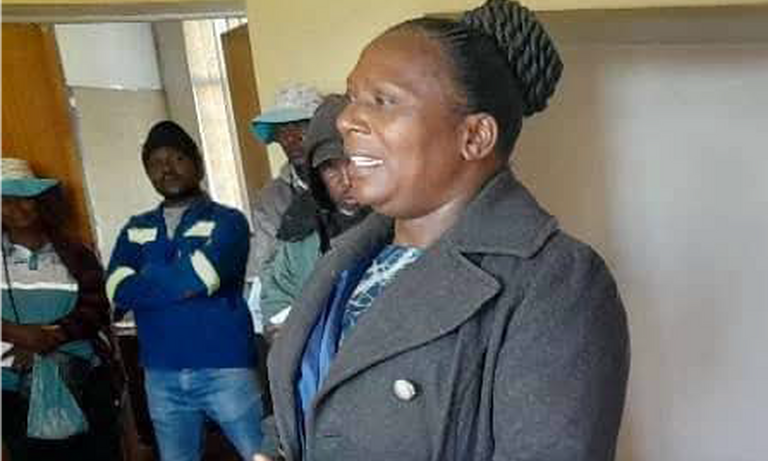
In the growing suburb of Claremont in Gweru, a quiet revolution is reshaping women’s lives, restoring dignity, and building economic independence one small contribution at a time. At the centre of this transformation is Precious Mujere, a Proportional Representation Councillor with Gweru City Council, who founded a women’s credit club in February 2025. What began as a simple idea encouraging women to contribute just US$5 each has evolved into a powerful movement of financial empowerment, mental wellness, and community participation. The club now consists of 22 members: 12 young women, two commercial sex workers, and eight women over 40.
Starting the initiative was not easy. Many people assumed it was another groceries club, a common concept in communities. Mujere, however, had a different vision: to unlock women’s leadership, reduce vulnerability, and help members venture into income-generating projects beyond traditional roles. “Women form 52% of the population, yet their contribution to economic development remains low because they are pushed into menial businesses,” she said.
The first round of contributions was too little to benefit everyone, so members decided to prioritize the most vulnerable two commercial sex workers. They received startup capital with a small interest, allowing them to transition from nightlife survival to running stable businesses. Today, both women have left sex work entirely, choosing dignity, income, and stability. Their transformation is captured in Brenda Mutunami’s powerful testimony: “Economic health yields physical health.” As the credit fund grew, so did women’s confidence and participation.
In a suburb where female landlords had previously shown no interest in ward meetings, council consultations, or development programs, the club created a safe entry point into civic engagement. Six club members attended the 2026 City of Gweru budget consultations an achievement that once seemed impossible. The gatherings also became platforms for learning. Members received awareness sessions on waste management, helping significantly reduce illegal dumping in the area. They invited funeral policy providers, resulting in 10 members securing funeral insurance. They also engaged in discussions about inheritance, property rights, and safeguarding assets for their children.
The club’s biggest change has been economic transformation. Members ventured into road runner farming, horticulture, clothing sales, and stand development. One young woman, previously idle and dependent on her spouse, used the club loan to start building her house and has already connected water to her stand. Another member expanded her road runner project from home consumption to more than 300 birds, preparing for festive season sales and exploring layers and broilers. These shifts have reduced poverty, strengthened mental wellness, and significantly lowered cases of gender-based violence.
Members have participated in breast cancer screenings facilitated by the City of Gweru. The club even supports one another in times of bereavement, attending funerals together as a sign of solidarity. Their unity has become a defining hallmark of the group’s strength. Mujere remains committed to sustaining and expanding this change. The plan includes training more women, introducing leadership structures, improving financial literacy, building partnerships, and eventually formalizing the club to open bank accounts and apply for opportunities using their constitution as collateral. The group intends to recruit more youth, commercial sex workers, and people with disabilities starting January 2026.
For Mujere, the driving principle is simple: unity, empowerment, and love. When she reflects on the transformation, she sees more than income. She sees women who once doubted themselves now standing tall, participating in development, and uplifting each other. As the evidence shows from stronger businesses to better health behaviours the club has become more than a financial system; it is a community of healing and hope. And at the heart of it all is a belief that continues to guide them forward: that empowered women can transform families, communities, and futures one small step at a time.
By: Precious Mujere
Comments
Related Drivers Of Change