
Zimbabwe: Reconstruction of toilets and public sanitation in mining areas

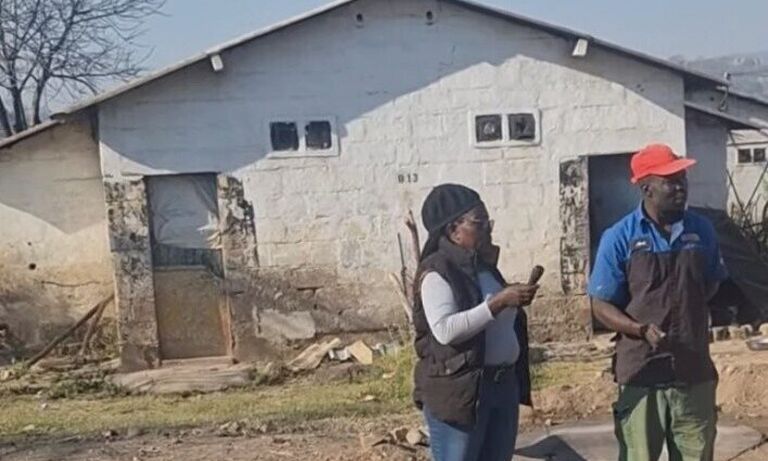
As Councillor of Ward 8 in Maglas, a mining area where thousands rely on shared services, I witnessed first-hand how poor sanitation strips people not only of their health, but also their dignity. What should have been safe public spaces had become hazardous zones: clogged toilets, collapsing structures, and broken sewer lines that forced residents into open defecation and unsafe bush toilets.
These conditions exposed the community to waterborne diseases such as diarrhoea, cholera, and dysentery. Women and girls suffered the most—walking long distances for privacy, facing risks of assault, and enduring shame due to lack of safe sanitation. With only 57 toilets across the area, and none functional, the community was on the verge of a public health crisis.
This reality demanded decisive action.
The transformation that followed has been nothing short of remarkable. The decision to renovate damaged toilets and construct new public facilities marked a turning point for the entire ward. Today, new sewer lines, improved drainage systems, and fully functioning public toilets stand as visible symbols of dignity restored.
For the community, the impact has been immediate and powerful:
- A safer, cleaner environment that reduces exposure to infections and contamination.
- A drastic reduction in waterborne diseases, easing household financial burdens and improving productivity.
- Enhanced dignity and privacy, especially for women and girls who now have safe, accessible toilets close to home.
- Improved environmental health, with reduced pollution and better waste management.
This story of change is not only about infrastructure—it is about restoring confidence, strengthening public trust, and improving quality of life.
How the Transformation Happened
When I first assessed the situation, I saw clearly that the community could no longer endure unsafe and degrading sanitation conditions. The recommendation to renovate and construct new toilets was grounded in urgent need and supported by evidence from health records, community feedback, and environmental assessments.
Before the intervention, open defecation was widespread due to lack of functional toilets. Residents faced severe health risks, and the environment bore the burden of poor waste disposal. The construction of new facilities immediately shifted this landscape.
The benefits of the new toilets go beyond health:
- Improved safety: Toilets close to homes reduce risks such as snake bites and nighttime assaults.
- Restored dignity: Sanitation is more than infrastructure—it is a human right that strengthens confidence and well-being.
- Environmental protection: Proper waste management prevents contamination of water sources.
- Economic relief: Fewer illnesses mean reduced medical expenses and more productive households.
Sustaining and Scaling the Change
Ensuring that this transformation lasts requires continuous commitment. Sustainability plans are already underway, focusing on:
- Monitoring and evaluation to track toilet usage, maintenance, and hygiene practices.
- Strengthening partnerships with government bodies, NGOs, and international organisations to secure technical and financial support.
- Policy and governance reforms that reinforce sanitation as a development priority.
- Technological solutions such as solar‑powered pumps and affordable filtration systems.
- Community capacity building, equipping residents with skills to maintain infrastructure and practice proper hygiene.
- Market-based approaches, including sanitation shops offering affordable products and installation services.
These measures ensure that the gains made are not temporary, but embedded in community practice and local governance.
Evidence of Impact
The progress is visible and measurable:
- Quantitative data: More operational toilets, reduced open defecation, and declining cases of waterborne diseases.
- Community feedback: Residents express gratitude, citing improved hygiene, privacy, and overall well-being.
- Visual evidence: Photos and videos capture the renewed sanitation structures and active community participation.
- Behaviour change: Regular handwashing, proper toilet use, and volunteer-led cleaning efforts.
- Environmental improvement: Reduced pollution and cleaner surroundings.
The community’s response has been overwhelmingly positive. As one civil society partner acknowledged, the project reflects a “critical step forward for public health.” Community members consistently applaud the new facilities, proud of a transformation they helped shape.
This story represents more than a sanitation project—it is a testament to what collective action, responsive leadership, and community ownership can achieve. By rebuilding toilets, we have rebuilt dignity. By restoring sanitation, we have restored hope. And by strengthening infrastructure, we have strengthened the future of Zvishavane’s mining communities.
By: Itai Pasira
Comments
Related Drivers Of Change