
Zimbabwe: Nature for the disabled

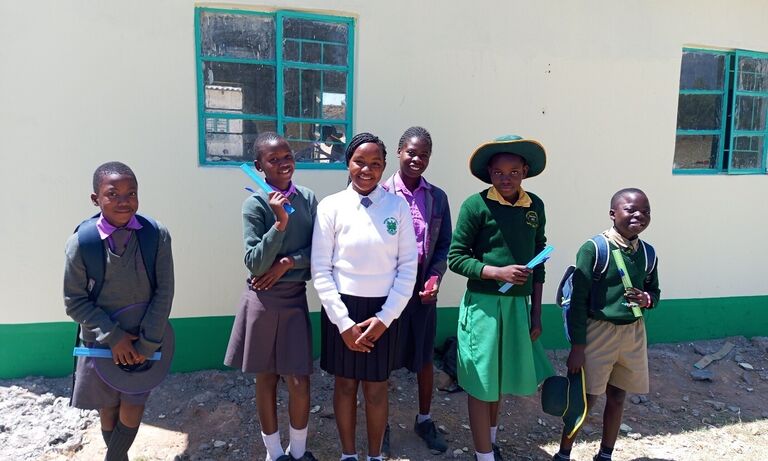
The organisation is driven by a simple but powerful conviction: every child deserves dignity, belonging, and the right to learn in peace. Unlike many organisations whose primary focus falls on gender-based violence, drugs, or youth leadership, Nature for the Disabled is committed specifically to the mental wellbeing and rights of children in special classes. They work to ensure these infants feel safe, supported, and valued—both inside and outside the classroom.
Their work began with a visit to the school to understand the depth of the issue. What they found was heartbreaking: some children spent entire days alone, while others cried through lessons or refused to go back to their allocated class because of relentless bullying. A few were on the verge of dropping out altogether. Parents, distressed and uncertain, sometimes blamed themselves due to the stigma that “a child’s brain comes from the parents.” Others doubted the accuracy of school assessments and resisted signing documents that would place their children in special education.
The project emerged from these painful observations, with a mission to build a safe, inclusive school environment where children with disabilities are not only protected but embraced.
The Change
The transformation began with a bold decision: the organisation convened a meeting with all parents—not only those whose children were in the special class. The purpose was to build collective understanding. Parents learned about the differences between mental health challenges, learning disabilities, and ordinary developmental variations. Many parents apologised, realising the hurt that ignorance had caused. The meeting opened the door to community‑wide empathy.
Rules were then established to protect vulnerable learners, including a clear consequence for bullying or isolating children in the special or “mental retaliated” class. Parents who had previously resisted placement began signing consent forms voluntarily. Their fear was replaced with understanding, and children who had once felt unwanted started participating confidently in school life.
Playgrounds that had once been segregated slowly changed. Children who had isolated themselves began playing with their peers in the special class. In sports such as soccer and volleyball, teams became mixed. During lunch breaks, food was shared. For the first time, many of these learners felt included.
However, not all reactions were positive. A few parents objected to punishments given to their children for bullying, insisting their children had a right to choose whom to play with. Some argued that educational testing machines could not be trusted. These attitudes revealed how deeply stigma and misinformation run. Still, despite the challenges, the positive changes outweighed the negative.
Today, the children in the special class attend school happily, no longer crying through the day. They walk into the classroom with confidence, knowing they are safe, accepted, and valued. The emotional impact on both the children and their parents has been profound.
How the Change Came About
The change was driven by deliberate efforts to foster unity, inclusion, and awareness:
- Mixed sports activities integrated children from both mainstream and special classes, breaking down social barriers.
- Food sharing and joint play helped build friendships.
- Awareness meetings with parents promoted understanding of disabilities and mental health.
- School visits and interviews provided insight into student experiences and helped track progress.
- Children gained confidence as peer isolation decreased.
- Regular follow‑ups with teachers and the headmistress helped reinforce new behaviour norms.
Before the intervention, children in the special class were routinely mocked, isolated, and excluded from group activities. Some refused to return to the classroom because of persistent name‑calling. Attendance was inconsistent, and learning was disrupted by fear and anxiety.
Now, classrooms and playgrounds are shared spaces. Children with disabilities participate fully, whether the weather is hot or cold. The school’s environment has become safer, friendlier, and far more inclusive.
Sustaining the Change
To maintain and scale this progress, the school aims to adopt a whole‑school, long‑term strategy:
- Regular awareness campaigns to dismantle stigma and educate learners about disability and mental health.
- A zero‑tolerance anti‑bullying policy with clear definitions, consequences, and reporting channels.
- Teacher training on recognising subtle bullying behaviours and responding effectively.
- Peer‑support programmes such as buddy systems.
- Counselling services and safe spaces for vulnerable learners.
- Consistent parental engagement through meetings and updates.
- Monitoring mechanisms, including anonymous surveys and teacher assessments.
- Promotion of disability rights through schoolwide messaging.
- Appointment of junior councillors to represent learners with disabilities.
- Representation of people with disabilities in every school to strengthen inclusion.
Through these actions, the school hopes to build a culture rooted in respect, empathy, and equal participation.
Evidence of Change
Quantitative and qualitative data show clear progress:
- Attendance among special‑class learners increased from 68% to 92%.
- Bullying incidents dropped by 86%.
- Student surveys show perceived safety increased from 42% to 87%.
- Peer empathy rose from 34% to 79%.
- Positive peer interactions increased by 60%.
- Classroom disruptions due to anxiety or stigma decreased by 45%.
- Average GPA improved from 2.1 to 2.8.
- 12 out of 15 parents reported better confidence and mood in their children.
These indicators show a clear shift toward inclusivity, acceptance, and dignity—proof that change is not only possible, but sustainable when a whole community commits to it.
By: Lucia Palsy Peperere
Comments
Related Drivers Of Change