
Zimbabwe: Local communities uplifted through human empowerment

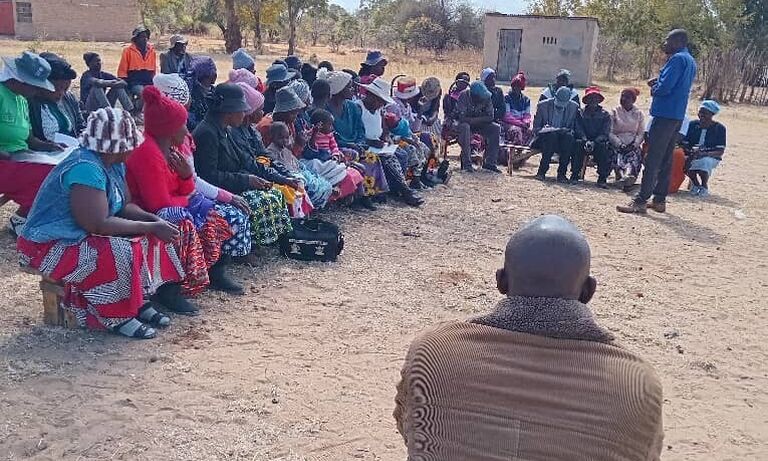
This story follows a grassroots gardening initiative that transformed not just gardens, but people — renewing confidence, strengthening social bonds, and proving that sustainable development begins with empowered communities.
Planting the Seeds of Change
Before the intervention, Ward 19 had no functioning committee to oversee development projects. Farming was mostly informal and subsistence‑based, with no training, guidance, or platforms for women and youth to build skills. Socially and economically, many families struggled. Malnutrition was rife, and opportunities for income generation were scarce.
Recognising both the challenges and the untapped possibilities, the Ward 19 Councillor launched a community‑based gardening initiative centred on empowerment through agriculture. The first step was establishing a project committee — an inclusive leadership structure that encouraged transparency, accountability, and active community participation.
Regular meetings created space for collaboration and planning. Participants were provided with seeds and seedlings and trained in sustainable gardening, soil management, crop rotation, and basic agribusiness. This practical knowledge was essential in improving productivity, but it also rebuilt dignity and confidence among community members.
What made this initiative unique was its foundation in local leadership and community ownership. By working with vulnerable groups and aligning with local realities, the project addressed poverty, unemployment, malnutrition, and environmental sustainability all at once.
New Growth: The Change That Followed
The transformation in Ward 19 was immediate and powerful. Women and youth — previously side-lined or unsure of their abilities — became central to decision-making in planning and implementing the project. Through structured committees and frequent meetings, leadership skills grew, voices strengthened, and participation broadened.
Gardens across the ward began to flourish. Households cultivated a variety of vegetables, improving nutrition and reducing food expenses. The shift from dependency to self‑sufficiency became clear as families proudly produced their own food.
Surplus produce opened the door to new income streams. For the first time, some families earned money directly from their gardens, reducing financial strain and strengthening household resilience. Social bonds deepened as community members supported one another, shared knowledge, and worked together.
For women, the project created visibility and influence. Through their leadership in the committee and farming activities, they contributed meaningfully to local development and reshaped gender norms. Youth gained practical skills, rediscovered purpose, and began to envision futures enriched by agriculture and entrepreneurship.
The ripple effect extended beyond Ward 19, inspiring surrounding areas to explore similar community‑driven models. What began as a gardening project evolved into a movement of empowerment and participatory development.
How the Transformation Happened
This change was sparked by deliberate, coordinated action rooted in local realities. The project tackled the main barriers head‑on:
1. Inclusive Leadership
A dedicated committee ensured everyone had a voice — women, youth, and elders alike. With structured plans and collective decision‑making, the community gained confidence and direction.
2. Regular Engagement
Meetings provided accountability, progress checks, and emotional support. Through consistent engagement, community members built trust and ownership.
3. Practical Training
Workshops on sustainable farming, soil care, and agribusiness equipped participants with lifelong skills. Many were surprised by how productive their land could be with proper techniques.
4. Material Support
By supplying seeds and seedlings, the project removed initial barriers and ensured everyone could participate from the start.
5. Mindset Shifts
Perhaps the most profound change was psychological. Agriculture was no longer seen as mere survival, but a promising pathway to income and opportunity.
Visible harvests, rising participation, and the emergence of new leaders demonstrated the depth of the transformation. The soil — once overlooked — became a symbol of dignity, purpose, and possibility.
Sustaining and Scaling the Change
The success of the project is now paving the way for long-term sustainability. The project committee will continue coordinating activities, managing seasonal planting, and strengthening peer‑to‑peer learning. Plans are underway to diversify crops, improve climate resilience, and adopt water‑efficient irrigation.
Partnerships with agricultural extension officers, NGOs, and local businesses will provide ongoing technical support and market access. Mentorship programmes will build youth leadership, ensuring the next generation carries the vision forward.
To scale the initiative, Ward 19 intends to share best practices with neighbouring wards. Already, interest is growing as other communities observe the thriving gardens and economic improvements.
With strong community ownership and support, the change is poised to grow — rooted firmly in the belief that empowerment begins with the land beneath one’s feet.
Evidence That Change Has Taken Root
The transformation is clearly documented:
- A functioning project committee maintains records of meetings, training sessions, and seed distributions.
- Gardens across the ward are flourishing, demonstrating increased food production and improved nutrition.
- Many households now earn income from garden produce.
- Videos and photographs capture training, teamwork, and harvests.
- Testimonies reveal increased confidence, pride, and improved livelihoods.
As one councillor reflected:
“Where there was once idle land and little hope, we now see thriving gardens, confident youth, and empowered women.”
The story of Ward 19 is a testament to the power of local leadership and community‑driven action — proof that meaningful change can grow from the soil when people come together with purpose.
By: Councillor, Ward 19 – Silobela, Kwekwe District
Comments
Related Drivers Of Change