
Zimbabwe: How one change maker is rewriting the narrative for women in Zimbabwe

Most women relied entirely on male family members for financial support. This dependence severely restricted their ability to negotiate within their homes and exposed them to emotional, economic, physical, and verbal abuse. Without income, skills, or assets, escaping abusive environments felt unimaginable. “Women had no bargaining power. They were stuck,” recalls Sharlon.
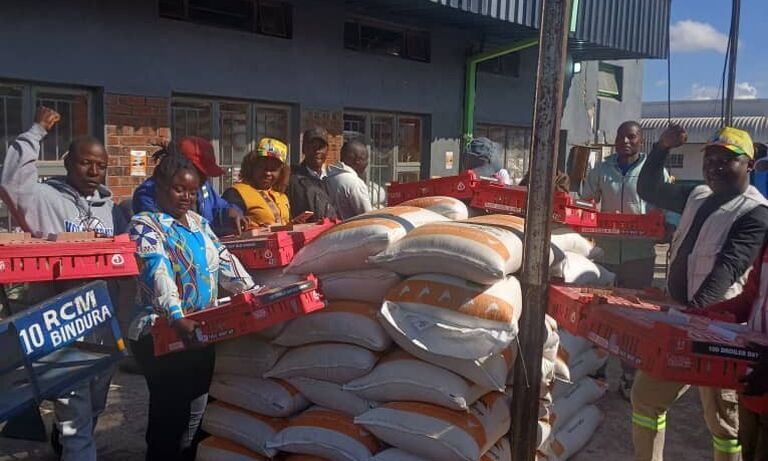
Seeing the urgency, Sharlon mobilised a bold intervention: a large-scale poultry project targeting 200 women, organised into 10 groups of 20. Each group received 100 chicks, 50kg starter feed, and 50kg grower feed—a simple yet powerful investment that planted the seeds of economic independence. Alongside this, 20 young women received sanitary pads and clothing, and a platform was created where women, youths, and persons with disabilities could safely share challenges and solutions.
Recognising the rising issue of drug abuse among young people, Sharlon expanded her approach to include youth participation in chicken projects and organised ball games to keep them engaged, healthy, and connected to positive community activities.
A New Dawn for Survivors
The poultry initiative ignited dramatic change. Every woman who started with the project now runs her own enterprise of 50 broilers per cycle, creating a reliable and controllable source of income. The financial shift has been profound. Women are now able to provide food, send their children to school, build savings, and support each other through informal lending systems.
Economic empowerment has translated into renewed self-confidence, a reclaiming of dignity, and the ability to negotiate within their households without fear. As one woman commented in group discussions, “For the first time, I can buy what my family needs without waiting for permission.”
The women have built strong peer networks that offer emotional support, a sense of belonging, motivation, and a collective market for their products. These safe spaces have been critical for healing and for reinforcing that they are not alone.
In the wider community, the impact is unmistakable. Cases of gender-based violence have significantly reduced, and some men, impressed by the positive changes, now approach Sharlon seeking support for their wives to join similar initiatives. Time previously spent on gossip or harmful behaviours—including drug use among young people—has shifted towards productive, community-building efforts.
How the Transformation Happened
The project’s success lies not only in the resources distributed but in the deeper shift it created. By giving women the tools to generate their own income, the project disrupted the power imbalance that had kept them vulnerable. Women now have bargaining power, control over resources, and the ability to meet their own needs with dignity.
The formation of Village Savings and Loan Associations (VSLAs) has further strengthened the change. Women lend money to each other and repay with interest, enabling them to expand projects, buy groceries, invest in household needs, and diversify income sources. Poverty levels have reduced, and women are emerging as economic actors in their own right.
This empowerment has boosted mental well-being: survivors now have time for self-care, improved hygiene, and personal development—all essential but often overlooked elements of recovery.
Sustaining and Scaling the Change
For long-term sustainability, Sharlon envisions strengthening market linkages with local shops, restaurants, and cooperatives. Training in budgeting, bookkeeping, disease management, and poultry production is essential to ensure women become independent experts. She encourages the use of VSLAs as financial safety nets and promotes peer-to-peer learning circles to build resilience and confidence.
Critical to sustainability is community inclusion. Involving men and local leaders helps reduce gender-based barriers and reinforces respect for women’s new economic and leadership roles. Over time, women may even begin breeding their own chicks to reduce dependency on external suppliers.
Running the projects with a business mindset will help cover costs such as vaccines, feed, and maintenance. Exploring locally available feed ingredients could also make production more affordable.
Evidence of Change
Evidence of transformation is visible across Ward 13. All 200 women now independently manage their poultry projects. They run their own savings groups, supply their households with food, and contribute meaningfully to family welfare. Children are attending school consistently, and household diets have improved.
The community itself is shifting. More women are starting personal projects after witnessing the success of the initial group—proving the multiplier effect of empowering even one woman. Reduced GBV cases, increased male involvement, decreased drug abuse among youth, and improved community cohesion all point to a ripple effect that continues to spread.
In Sharlon’s words, “When you empower a woman, you empower the whole country.”
Ward 13 is living proof.
By: Sharlon Gutsa
Comments
Related Drivers Of Change