
Zimbabwe: Giving women and men equal voices in Makokoba

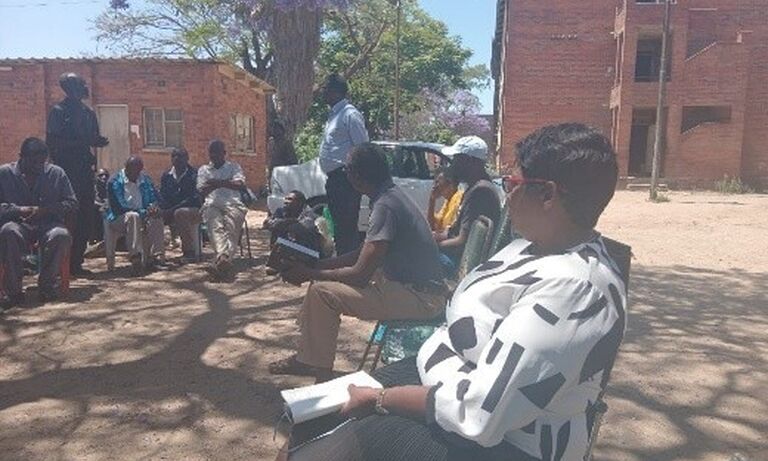
Makokoba, one of Bulawayo’s oldest and most vibrant suburbs, has long been a community with rich cultural heritage but deep social challenges, among them the underrepresentation of women in public life. When I, Councillor Thandiwe Moyo, was elected to represent Ward 7 in 2023, I knew that meaningful development could not happen without addressing the gender inequalities that shaped everyday experiences in my community.
For many women in Makokoba, stepping into leadership spaces was a distant idea. Confidence barriers, lack of information, and long-standing gendered norms kept them away from ward committees, public meetings, and decision-making platforms. Most community consultations were dominated by men, often resulting in policies and programmes that overlooked the specific needs of women and girls. From the start of my term, I made a firm commitment: Ward 7 must be a community where women and men participate equally, shaping their future side by side.
Driving Change Through Inclusive Leadership
My approach to leadership has always been grounded in the belief that gender equality does not sit on the sidelines, it must be integrated into every level of governance. This meant ensuring that service delivery, budgets, ward plans, and community consultations included women’s voices, priorities, and experiences.
I began by engaging local women’s groups, youth structures, and community leaders to raise awareness about gender equality while emphasizing the importance of women’s participation in governance. Capacity-building initiatives soon followed. Between 2023 and 2025, I introduced:
- Leadership and advocacy workshops
- Entrepreneurship and economic empowerment sessions
- Mentorship programmes for women and young people
These programmes reached 77 women and 30 youths, boosting civic confidence and building practical knowledge about rights, leadership responsibilities, and community participation.
Crucially, I advocated for ward activities to be scheduled at times when women—especially caregivers—could attend comfortably. This simple but strategic shift opened the door for many women who had previously been excluded from public spaces.
By working with the Bulawayo City Council Gender Desk, civil society partners, and fellow councillors, we ensured that women were represented in ward development committees and community project teams. Awareness-raising on gender-based violence (GBV) also became a core part of our programming, creating safe spaces for women to speak openly about their experiences.
A Community Transformed
The change that has emerged in Ward 7 is both visible and deeply felt.
Where women were once silent observers, they are now active participants in shaping local development. More women confidently attend ward meetings, contribute ideas, and influence budget and project priorities. Leadership is no longer the preserve of men—women and girlsare now stepping into decision-making roles with pride and authority.
Women-led initiatives have flourished, including:
- Community clean-up campaigns
- Savings clubs such as Golden Girls, Winners, and Victory Savings Club
- GBV awareness programmes
- Youth leadership projects
These initiatives have strengthened unity, resilience, and economic independence among women. Young women, inspired by role models in the ward, are increasingly taking on leadership responsibilities as youth representatives, volunteers, and project leaders.
Importantly, men have also begun embracing shared leadership, recognizing the value of inclusive decision-making. Families, neighbourhoods, and community structures now work together more cohesively to address social and economic challenges.
How the Change Happened
This transformation has been the result of intentional, consistent, and community-driven work. Through dialogues, mentorship, training, and constant engagement, barriers slowly broke down, giving way to new confidence, visibility, and leadership among Ward 7’s women.
Partnerships with civil society and local government strengthened institutional support, while adjustments to ward processes made participation more accessible. Evidence from meeting records shows women’s attendance in ward meetings has more than doubled, a clear sign of shifting dynamics. Local media, including Facebook, Daily News, B Metro, and Skyz Metro, have highlighted these developments, amplifying the growing recognition of women’s contributions in governance and community development.
Sustaining and Scaling the Transformation
The change in Ward 7 is not a temporary moment, it is a foundation for long-term, gender-responsive governance.
To sustain this momentum, gender equality is now integrated into:
- Ward plans
- Budgets
- Community activities
- Governance structures
Women’s groups have become self-driven networks that continue conducting their own empowerment activities. I am also working with councillors from Wards 16, 27, 17, the Silwane Youth Centre, Proportional Representative Councillors, and the City of Bulawayo to share best practices and encourage other communities to adopt similar gender-sensitive approaches.
Mentorship programmes for young women continue to grow, nurturing the next generation of leaders. With civil society partnerships and development support, Ward 7’s model is positioned to inspire transformation across Bulawayo and beyond.
Voices from the Community
Councillor Thandiwe Moyo is a hardworking mother in our ward. She holds monthly meetings and engages all departments for coordinated service delivery — Jenifa Nyakaoma, Chairperson – Bulawayo Progressive Residents Association
Well done Councillor Thandiwe. Good going — Magnificant Bene
Sikutshayela ihlombe maMoyo — Sibabazile Sibanda
By: Thandiwe Moyo
Comments
Related Drivers Of Change