
Zimbabwe: From vulnerability to leadership – empowering the girl child

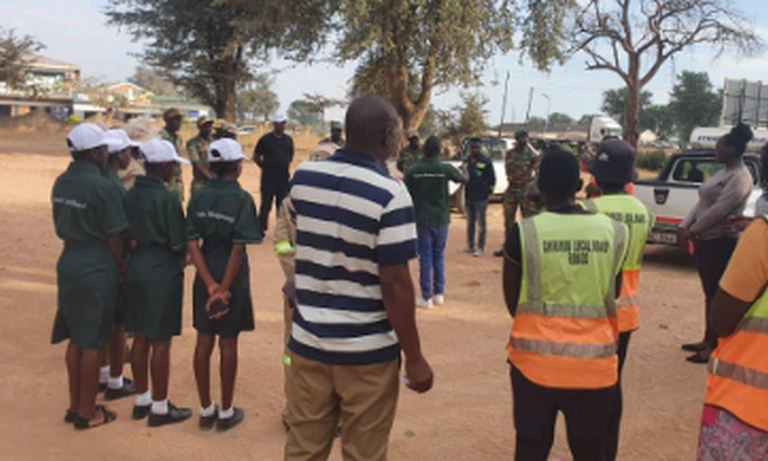
My name is Shantel Chivandire, an active member of the Chirundu community and a young leader working closely with the Chirundu Local Board. My journey has been shaped by a passion for empowering young people, especially girls, and strengthening community structures that protect children, reduce vulnerabilities, and promote equal opportunities. In Chirundu, the challenges we faced were deeply rooted: drug and substance abuse, school dropouts, early marriages, gender-based violence (GBV), poor environmental hygiene, and limited awareness of health issues such as breast cancer. These challenges affected not only the youth but the entire community, placing girls at high risk of exploitation and losing opportunities.
My work began with a clear, structured approach to leadership. Before launching any campaign or activity, I would break down objectives, plan thoroughly, and involve key stakeholders. This helped create inclusive, measurable, and sustainable interventions that brought the community together to address shared challenges. Before our interventions, drug and substance abuse among young people in Chirundu was alarming. Many students were losing interest in school and engaging in harmful behaviors. Girls faced early marriages, unequal opportunities, and limited access to supportive spaces that nurtured their confidence and leadership potential. Children lacked knowledge about their rights, and the community struggled with poor waste management, unhealthy environments, and dangerous wildlife encounters.
Breast cancer awareness was extremely low, and many women did not understand the importance of early detection. There was also little collaboration among schools, the council, families, and community leaders to address these problems. The impact of our initiatives has been visible and transformative. Through awareness campaigns on drug and substance abuse, many young people who were headed toward destructive paths received counselling, education, and support. Teachers began to report improved discipline, focus, and academic performance.
Girl child empowerment programs create safe spaces for girls to speak freely, learn leadership skills, explore their potential, and understand their rights. As a result, early marriages have decreased, and more girls are staying in school and striving for excellence. Our cleanup campaigns, held monthly, transformed Chirundu’s environment. Public spaces are now cleaner, safer, and more hygienic. These campaigns also instilled a sense of responsibility among residents, making environmental protection a shared community of duty.
Breast cancer awareness programs improved health literacy among women, encouraging early checkups and saving lives through early detection. Meanwhile, human wildlife conflict management campaigns prevented dangerous incidents by teaching communities’ safe coexistence strategies and strengthening reporting systems. Overall, the community is now more informed, united, empowered, and committed to protecting the wellbeing of children and women. Families, youths, schools, and local leaders are working together more than ever before.
Before these interventions, Chirundu struggled with low environmental hygiene, high drug abuse rates, and widespread early marriages. Now, the community has embraced change through education, awareness, and youth leadership. By strengthening partnerships with NGOs, government departments, and donors, we aim to scale up our initiatives and inspire other local authorities to adopt similar approaches. Our ultimate goal is to build a community where youth leadership, women’s empowerment, and inclusive development are the foundation of long-term change.
Shantel Chivandire, Zimbabwe
Comments
Related Drivers Of Change