
Zimbabwe: Equal chances, Equal voices, Equal futures, A balanced world is a better world when women thrive, society moves forward

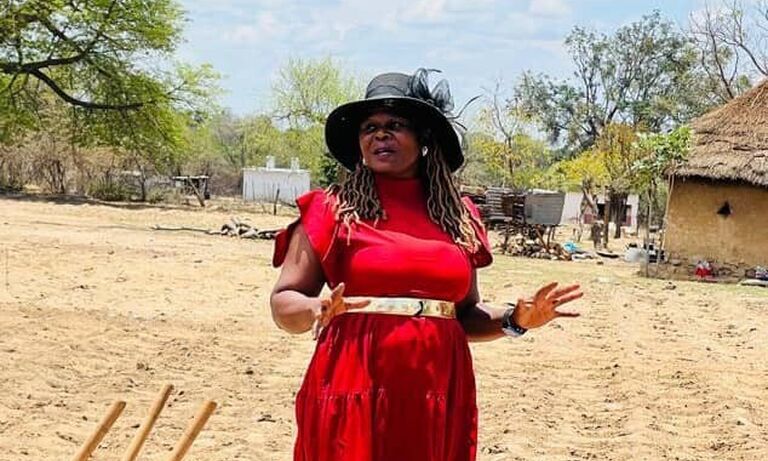
Yeukai Paradza is a proud female Councilor for Ward 12 in Chiwundura Constituency under Vungu Rural District Council in Gweru District, Midlands Province. As one of the few women elected in both the 2018 and 2023 harmonized elections, she serves as a Government representative responsible for policy making and coordinating developmental programs at the local level. Over time, she rose to become the Gender Champion at District and Provincial levels, driven by a deep commitment to improving the lives of women, children, and vulnerable groups in her community.
Upon assuming office, she quickly recognized how deeply gender imbalances were hurting households. Having attended various workshops organized by Gender Links Zimbabwe which included induction, economic empowerment and gender mainstreaming Yeukai became a strong and determined proponent of change.
The patriarchal system gave men control over decision making and access to opportunities, while women were marginalized and financially disempowered. This lack of empowerment left women unable to adequately support their children, resulting in poverty, school dropouts, early marriages, domestic violence, and increased drug and substance abuse among youth.
Many women confided in her saying, “Councillor, we want to work, but we do not have the means, our children are suffering because of poverty.” These conversations strengthened Yeukai’s resolve to bring lasting change. As Gender Champion, Yeukai focused on addressing gender inequality, women’s empowerment, and the reduction of Gender Based Violence (GBV).
Guided by the national mantra of leaving no one and no place behind and the national vision of achieving an upper-middle-income economy by 2030, she committed herself to transforming grassroots livelihoods, especially for women who had been overlooked for far too long. To tackle poverty and restore dignity, she led the establishment of two nutrition gardens in partnership with Midlands Aids Support Organisation (MASO) and 4H Zimbabwe. Each garden brought together 40 members 30 women and 10 men who received training, tools, and support to begin a new path toward self-reliance.
The gardens soon produced healthy crops of sugar beans, king onions, and fruit trees that now provide food security and income for participating households. The pride and motivation within the community are reflected in the motto: “CHITUBU NUTRITION GARDEN literally meaning Farming As A Business.” At the same time, the Mawodza Irrigation Scheme achieved an important milestone and celebrated its success with the words: “WHEAT SELF-SUFFICIENCY.”
Understanding the importance of youth empowerment, Yeukai also facilitated vocational training for 30 young people, with boys and girls enrolling in solar installation, welding, building, carpentry, beauty therapy, and garment construction through Kaguvi Vocational Training Centre and MASO. The impact of these initiatives is captured in the phrase: “VOCATIONAL SKILLS – Youth Empowerment.” The transformation that followed has been remarkable. Women are now economically empowered and able to contribute meaningfully to household needs such as school fees, food, clothing, livestock purchases, and home improvements.
Yeukai encouraged community members to form and join Internal Savings and Lending Schemes groups, enabling them to save, invest, and generate income. Women in 42 villages proudly purchased three-legged pots (sizes 10 to 30), symbolizing improved domestic wellbeing and restored dignity. Others constructed household assets including toilets, washing sinks, and waste pits an achievement that once seemed impossible. One woman summed up her joy by saying, “Now I can feed my children and pay school fees without begging.”
These initiatives have led to a significant reduction in Domestic Violence, which previously stemmed from poverty, frustration, and idleness. With improved economic participation, women have earned greater respect from men and are now included in decision-making at household and community levels. Income generating activities have also helped reduce child marriages, prostitution, school dropouts, and drug abuse, as families are now better equipped to support their children. Food security has improved, with families eating healthier and well-balanced meals. Dependency on donor support has decreased as households now produce their own food and earn their own income. Employment opportunities have expanded, with youths being hired to fence gardens, construct toilets, waste pits, and washing sinks. The community has transitioned from vulnerability to productivity, visibly lifting itself out of poverty.
This change is sustainable because it is built on community ownership. Beneficiaries participate in production, management, and reinvestment, ensuring continuity even without external support. Government agricultural extension officers provide ongoing mentorship and training in climate-smart agriculture, soil management, pest control, and market-based production, helping the community stay productive and resilient. The long-term plan is to replicate more nutrition gardens across villages and diversify into new ventures such as fish farming and fruit tree propagation, further strengthening livelihoods and food security.
The evidence of transformation is visible everywhere lush gardens, successful harvests, fruit trees, improved households, new assets, trained youths, and reduced dependency on external aid. Photos and videos serve as powerful proof of the community’s journey. One striking example is an image of Chitubu Nutrition Garden beneficiaries in Ward 12, Chiundura Communal Area.
Through dedication, partnership, and collective action, Yeukai Paradza has helped her community break free from poverty, gender inequality, and social vulnerabilities. Women are rising, youth are working, and children are safer and healthier. This transformation stands as a powerful reminder that when you empower a woman, you transform a family; when you transform a family, you build a stronger nation.
By Yeukai Paradza, Zimbabwe
Comments
Related Drivers Of Change