
Zimbabwe: Empower a woman, empower a nation

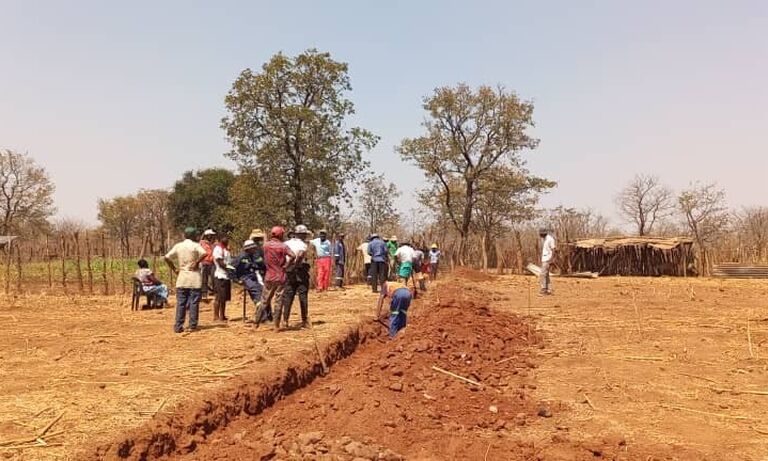
Nyamandlovu is located about 60 km from Bulawayo and is home to 45 households. Out of these, only twelve came together—six older women, two young women, three men, and one man with a disability—to form what would become a thriving agricultural cooperative. Many of them had survived gender‑based violence or struggled with drug and substance abuse. Without opportunities, young people were vulnerable, households were under strain, and the community lived with the effects of addiction, domestic violence, and poverty.
I helped the group secure a field that had lain idle after land reform and engaged the Ministry of Agriculture for seeds, tools, and mechanisation support. Before assistance arrived, members contributed their own limited resources, determined to build something sustainable. In 2013, the cooperative received a loan enabling them to purchase seeds and irrigation equipment, which they later repaid in full. With this support, they began planting wheat, tobacco, and other crops, opening a pathway to stability and dignity.
At the heart of the project was a simple belief: when communities have the tools to uplift themselves, change becomes possible.
A Journey of Change
The Alicedale Community Irrigation Project did not only increase agricultural productivity—it reshaped social relationships, restored confidence, and helped families rebuild.
Access to mechanisation, including a tractor, plough, and irrigation system, made farming efficient and profitable. Members gathered daily at the irrigation site, sharing knowledge, supporting one another, and creating a safe space for healing. Where substance abuse and violence once thrived, unity and purpose began to take root.
Women who had long carried heavy burdens became leaders—managing finances, overseeing production, and making decisions that shaped the cooperative’s future. Families worked side by side, young people gained meaningful employment, and one local youth even secured a job as a tractor driver. Skills training from various organisations strengthened both the cooperative and the wider community, spreading modern agricultural knowledge beyond the twelve-member group.
There were challenges too. Some members became so committed to the cooperative that their individual fields received less attention. Yet the overall benefits—income, food security, skills development, and social cohesion—far outweighed the difficulties.
For many, this was the first time they earned steady income. They used it to pay school fees, buy household necessities, and reinvest in the land. The community became safer, as productive engagement replaced destructive behaviour. Young people who once drifted into substance abuse found new purpose and belonging.
How the Transformation Happened
The cooperative’s success grew from a combination of training, infrastructure, credit access, and strong community participation. Members learned irrigation management, modern farming techniques, and financial skills. The installation of a water distribution system ensured reliable irrigation. Credit facilities enabled the purchase of mechanised equipment, while community involvement in planning and decision‑making strengthened ownership.
The results were clear:
- Increased crop yields that improved households’ food supplies.
- Improved livelihoods, enabling families to afford education and healthcare.
- Women’s empowerment through leadership, participation, and economic independence.
- Youth engagement through job creation and meaningful responsibilities.
- Strengthened social cohesion, as community members rebuilt trust and unity.
Where violence, addiction, and economic hardship once defined life in Nyamandlovu, the cooperative created hope, resilience, and stability.
Sustaining and Scaling the Change
The Alicedale Community Irrigation Project holds lessons and possibilities for long‑term sustainability. Community ownership remains central—members continue participating in management, maintenance, and decision‑making. Ongoing training ensures skills remain relevant, while a strong cooperative structure governs finances and operations responsibly.
Sustainability efforts now focus on:
- strengthening market linkages,
- maintaining infrastructure,
- diversifying crops and income sources,
- continuing empowerment programmes for women, youth, and people with disabilities,
- forming partnerships with government and private actors, and
- documenting and sharing lessons to inspire other communities.
Celebrating successes has also been important—it boosts morale and reminds the community of how far they have come.
Evidence of Lasting Impact
The transformation brought by the project is visible and measurable. Families earn more, eat better, and access essential services with dignity. Agricultural yields have risen, food security has improved, and social harmony has replaced fear and violence. Women contribute meaningfully to leadership and economic activities, while young people gain skills and confidence.
Crime rates have dropped. Community pride has grown. And perhaps most importantly, people now see themselves not as victims of circumstance but as active agents of change.
The Alicedale Community Irrigation Project is more than an agricultural initiative—it is a testament to what communities can achieve when given the opportunity to rise.
By: Trish Nyamidzi
Comments
Related Drivers Of Change