
Zimbabwe: Creating a voice for the umguza Junior council

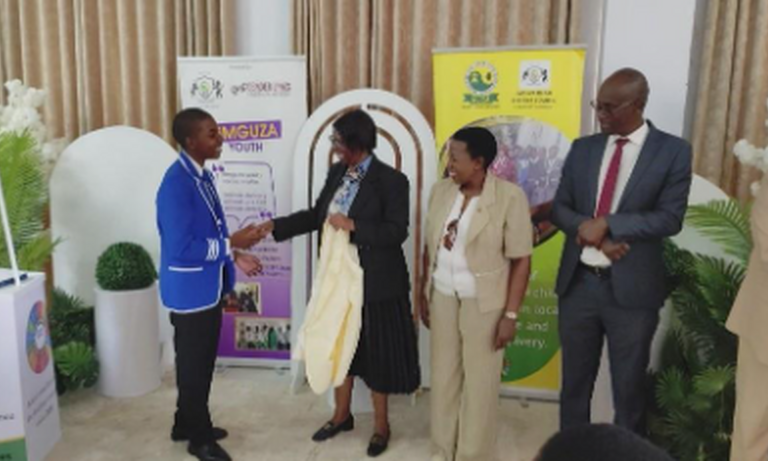
In Umguza District, a new generation of young leaders is stepping forward confident, determined, and committed to transforming their communities. At the Centre of this movement is Sithembinkosi Mahlangu, a passionate junior councilor and Deputy Chairperson of the Umguza Junior Council. Her leadership journey unfolds within a district where many adolescents, especially girls, have historically been excluded from decision making spaces. Issues such as teenage pregnancy, drug and substance abuse, and negative attitudes toward education were affecting young people’s confidence, school attendance, and future opportunities.
Before the establishment of the Junior Council, youth voices were largely absent from governance processes. Many young people struggled with low self-esteem, received little mentorship, and lacked platforms to express their concerns. Girls in particular faced cultural and structural barriers that limited their participation in leadership. The Umguza Junior Council was introduced specifically to change this reality creating structured opportunities for youth involvement, leadership training, and community advocacy. Sithembinkosi’s rise to leadership is grounded in her belief that young people are not just future leaders but leaders of today. Her work focuses on ensuring that the concerns of adolescents are heard, respected, and acted upon.
Through mentorship, collaboration, and strategic mobilization, she has helped build a Junior Council that is not symbolic, but a powerful engine of youth led social transformation. Under Sithembinkosi’s leadership, the Umguza Junior Council has become a catalyst for change. The council launched awareness campaigns in schools focusing on teenage pregnancy prevention, drug and substance abuse, gender equality, and mindset transformation. These programs addressed issues that had previously been unspoken or poorly understood, empowering youth with the knowledge to make safer and healthier decisions. Workshops on leadership, self-esteem, and civic participation helped adolescents realize their potential and take ownership of their personal development. Through peer mentorship, young people created safe spaces to share experiences, ask questions, and challenge harmful norms.
Community dialogues brought together youth, parents, teachers, and local leaders, fostering a new era of intergenerational cooperation. The impact has been remarkable. Young people in Umguza are more informed, confident, and engaged. Schools report improved behavior and participation. Families note changes in communication and responsibility among adolescents. For the first time, youth are directly influencing dialogue on social issues, transforming from passive observers into active agents of development. This holistic approach ensured that both knowledge and confidence increased among youth. Adolescents who once struggled to express themselves now speak boldly in assemblies, advocate for safer schools, and collaborate with community stakeholders.
Stakeholders including local authorities, school administrators, and community organizations have acknowledged significant positive behavioral changes. Many credit the Junior Council for the decline in risky behaviors and for bridging the gap between young people and community leadership structures. Umguza District is witnessing a shift. Youth who once felt invisible have discovered their voice and purpose. Teachers report fewer incidents of drug related behavior, improved discipline, and greater academic motivation. Community leaders increasingly consult Junior Councilors on youth issues, recognizing their insight and the legitimacy of their advocacy.
Through this transformation, young people have redefined what leadership means. They are no longer waiting until adulthood to participate they are shaping their future now. As one youth leader expressed. To ensure long-term sustainability, the Junior Council has institutionalized structured mentorship programs, where experienced councilors guide new members. This guarantees continuity of leadership and nurtures a culture of peer learning. Partnerships with schools, local authorities, and community organizations deepen the council’s impact.
By embedding its programs into school and district activities, the Junior Council ensures that key initiatives such as teenage pregnancy prevention and substance abuse awareness become standard components of youth development. Plans for scaling up include expanding the model to other wards in Umguza, establishing school clubs, and using peer education to reach more adolescents. Training manuals and frameworks developed by the Junior Council can be adapted by neighboring districts, positioning Umguza as a leader in youth-driven governance.
Sithembinkosi Mahlangu, Zimbabwe
Comments
Related Drivers Of Change