
Zimbabwe: Charity work at local level improves quality of life for the less privileged

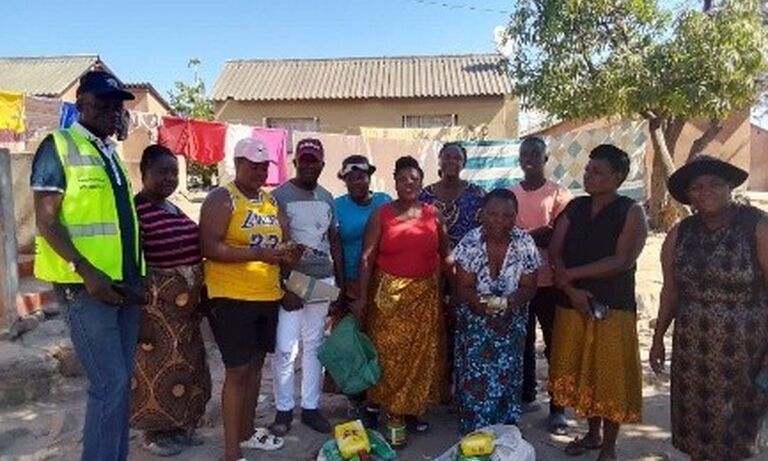
In Hwange’s Ward 9, a quiet but transformative form of leadership has been taking place rooted not in politics or power, but in compassion. Councillor Rhoda Sibanda, fondly known simply as Rhoda by many residents, carries with her a deep conviction: that no one in her community should live without dignity, comfort, or companionship, especially in their later years.
Her story begins with a simple act of noticing. As she moved around her ward, Rhoda encountered elderly residents living in distressing conditions, alone, unwell, and struggling to survive. Many had family members living far away; others had no reliable source of income, making a decent meal a rarity. This situation stirred something deep within her. “To me, giving to the needy is more of a calling,” she says. “I was touched by the squalid conditions some of the elderly were living under, and I knew I had to act.”
A Personal Mission Becomes a Community Movement
Determined to bring relief, Rhoda mobilised donations from well‑wishers. She was accompanied by Ward 9 Junior Councillor, Kgosto Karabo Nare, demonstrating intergenerational solidarity and shared responsibility. Together, they sourced groceries, essential household items, and financial assistance for four elderly residents, including one who was unwell and in urgent need of support. The donations provided immediate relief ensuring access to food, hygiene essentials, and basic comfort. But more importantly, they restored dignity. For the first time in a long while, the beneficiaries felt seen, valued, and respected.
Rhoda’s approach went beyond material support. She emphasised the importance of companionship, urging community members to visit elderly neighbours, not only to assist them but to alleviate loneliness. A major contributor to poor mental health among seniors. “Loneliness and social isolation deeply affect our elderly,” she explains. “As they grow older, maintaining social connections becomes even more critical to their well-being.”
Improving Lives Through Community-driven Support
Beyond individual assistance, Rhoda sought long-term solutions. She launched a ward-wide initiative, asking each household to contribute US$1 towards purchasing kitchen utensils for use during bereavements. This initiative ensures that families facing loss can receive community support without additional financial strain.
For years, Rhoda had personally provided her own utensils during such times. Now, she wanted the community to take collective ownership, building a more sustainable, shared system of care.
Residents embraced this vision wholeheartedly. Many now refer to her affectionately as “Rhoda,” not out of familiarity alone, but out of respect for her sincerity, kindness, and unwavering dedication.
How the Change Came About
This transformation began with intentional, structured actions:
- Stakeholder engagement: Rhoda reached out to well‑wishers willing to donate resources.
- Needs assessments: She and community members identified the most vulnerable individuals in the ward.
- Transparent selection: Beneficiaries were chosen fairly, based on urgent need and absence of family support.
- Holistic assistance: Donations addressed food security, hygiene, and essential household needs.
- Health referrals: Those with medical challenges were linked to clinics, NGOs, and the Department of Social Welfare.
Many beneficiaries were elderly, living alone, often going days without proper meals or care. Through Rhoda’s efforts, they gained not only immediate support but access to long-term services and social protection networks.
Sustaining and Scaling Up the Change
To ensure the impact continues beyond her individual efforts, Rhoda has laid the groundwork for sustainability:
- Partnerships with NGOs, government departments, and local health facilities for ongoing support.
- Community ownership, encouraging neighbours to care for the elderly and contribute to collective welfare.
- Strengthened social safety nets, linking vulnerable residents with the Ministry of Public Service and Social Welfare.
- Local Authority involvement, ensuring access to free medication, subsidised water, and vending bays to support income‑generating opportunities.
- Inclusive volunteer structures, involving youth, caregivers, and community health workers in continuous follow-ups.
These systems reduce dependency and enable the community to carry forward the values of compassion and responsibility.
Evidence of Change
The outcomes of Rhoda’s work are reflected both in tangible improvements and in strengthened community spirit:
- Residents have become more skilled at identifying vulnerable individuals and coordinating support.
- Communities now design context‑specific interventions and conduct their own needs assessments.
- Humanitarian agencies have partnered with the ward to expand assistance.
- The Local Authority is now better informed about ground‑level challenges and is integrating these into policy considerations.
- Social cohesion is stronger, with more community members participating in charitable initiatives.
Most importantly, the elderly, once isolated and overlooked, now feel valued and connected.
Voices from the Community
Noel Munsaka - The Councillor played a pivotal role in transforming my life. Before her intervention, I struggled to meet my basic needs. She made sure I received assistance from Social Welfare.
Luke Phiri - Before the groceries came, I felt like an outcast. Since that visit, many people have reached out to support me. I now feel a renewed sense of belonging.
Catherine Mudimba - Because of my age, I often fall ill. The Councillor arranged for Community Health Care volunteers to check on me regularly. This has greatly improved my well-being.
By: Cllr Rhoda Sibanda
Comments
Related Drivers Of Change