
Zimbabwe: Breaking barriers, building futures for women

I knew that true empowerment required more than isolated interventions. It demanded a holistic approach—one that addressed income generation, dignity, confidence, education, and social change. My role as councillor offered a platform to begin making this vision a reality.
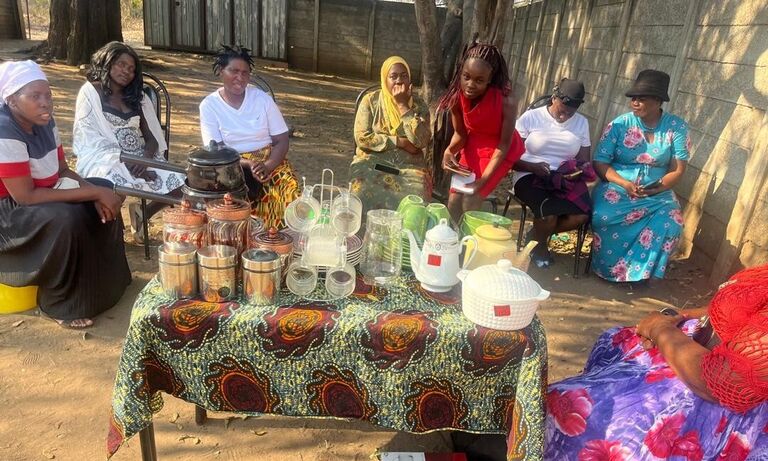
I introduced a series of livelihood and empowerment initiatives aimed at strengthening women’s financial independence and building a foundation for long‑term transformation. Poultry farming, detergent making, baking, drink production, and Rotating Savings and Credit Associations (ROSCAs) gave women practical skills and a chance to generate their own income. I also facilitated hygiene support for girls by distributing sanitary pads across schools—an essential step in restoring dignity, reducing absenteeism, and breaking menstrual stigma.
These initiatives did more than provide livelihoods; they reshaped the social fabric of the community. Women began stepping into their power. Girls returned to classrooms with renewed self‑confidence. Families experienced improved well‑being, and communities witnessed the emergence of role models who were proudly breaking down long‑standing gender barriers.
Today, Kwekwe is experiencing a shift—a movement toward inclusion, equal opportunities, and a future where women and girls can thrive.
Positive Change Rooted in Community Action
The impact of the programmes has been clear and far‑reaching.
Women have gained financial independence through small enterprises. Owning their income has allowed them to support their households, invest in education, improve nutrition, and contribute meaningfully to the local economy. This independence has also strengthened their decision‑making power at home and within the community.
Girls have benefited from improved menstrual hygiene, significantly reducing absenteeism. For many families, access to sanitary pads was previously a barrier to education. The initiative helped restore dignity, build confidence, and keep girls in school—helping protect their right to learn.
Families and communities have experienced improved well‑being. As women’s economic situation improved, household stability increased. Communities benefited from strengthened social cohesion, shared savings groups, and collective problem‑solving.
Traditional gender roles are being challenged as women boldly take up entrepreneurial activities once thought to be reserved for men. This shift in mindset has encouraged a culture of inclusivity and equality, paving the way for more women to step into leadership and income‑generating spaces.
These changes build towards a more equitable society—one where economic empowerment intersects with health, education, and dignity.
How the Change Happened
The transformation in Kwekwe did not occur overnight. It was rooted in recognising the lived realities of women and girls and designing solutions that responded to those needs.
Before the interventions, most women had limited access to training, capital, or employment. Menstrual hygiene concerns kept many girls out of school, contributing to inequality and poor academic performance.
To address these challenges, I worked with the council and local leaders to:
- introduce income‑generating training programmes tailored to women’s capabilities and interests,
- establish ROSCAs to improve access to small loans and promote financial resilience,
- distribute sanitary pads to schools to reduce menstrual stigma and absenteeism,
- deliver training in entrepreneurship and financial literacy,
- promote social cohesion through support groups and shared learning spaces,
- and strengthen community ownership of all interventions.
With time, the results became visible. Women began to build confidence, start businesses, and support each other. Girls attended school more consistently. Communities embraced the idea that empowering women benefits everyone.
This change reflects the power of local leadership grounded in empathy, action, and commitment to gender equality.
Sustaining and Scaling Up the Transformation
To ensure long‑term impact, sustainability is at the centre of the work. Community ownership is key—women are active decision‑makers, beneficiaries lead their own savings groups, and girls advocate for menstrual health openly and proudly.
We continue to:
- institutionalise training and mentorship programmes,
- strengthen monitoring and evaluation systems to track progress,
- replicate successful models in other villages and wards,
- invest in partnerships with government ministries, NGOs, schools, and the private sector,
- empower local champions to lead activities, ensuring continuity beyond political cycles,
- and adapt interventions to different cultural and community contexts.
Through collaboration, innovation, and committed leadership, we are building a resilient foundation for gender equality and sustainable community development—not just in Kwekwe, but across Zimbabwe.
Evidence of Change
Evidence of the transformation is visible across the community:
- Economic empowerment: Women participating in poultry, baking, detergent making, and other projects have increased their incomes, becoming more self‑reliant.
- Skills development: Structured training has strengthened entrepreneurship, financial literacy, and personal growth.
- Improved school attendance: Distribution of sanitary pads has reduced absenteeism among girls and improved dignity and academic performance.
- Community well‑being: Elderly women received groceries, further strengthening social safety nets.
- Cultural change: Increased confidence, participation, and leadership by women signal a shift towards equality and inclusion.
These outcomes reflect a community in transition—one rising through empowerment, unity, and sustained action.
By: Yvone Nyati
Comments
Related Drivers Of Change