
Zimbabwe: Agenda links for equality and justice

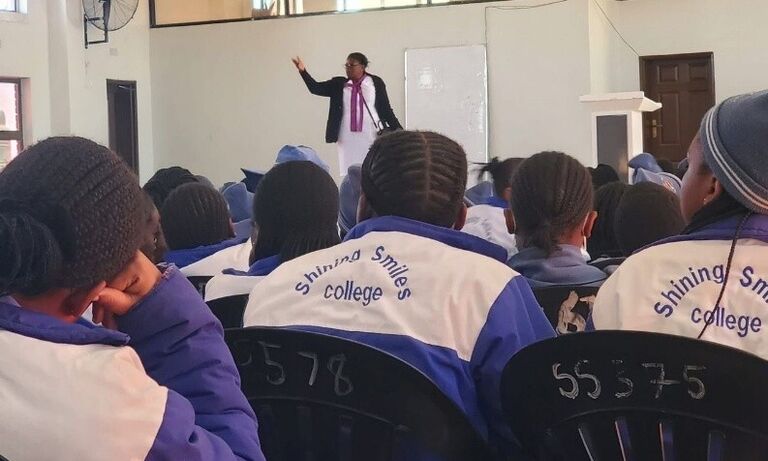
This is the story of how a Junior Councillor’s intervention changed the life of one girl—and began transforming an entire community’s beliefs about education, child rights, and gender equality.
A Turning Point for Tariro
Tariro*, a young girl from Manyame Rural District, had withdrawn from school due to family pressure toward early marriage and the financial difficulties her household faced. Like many girls in similar circumstances, she became isolated, discouraged, and vulnerable. The path ahead seemed predetermined—one shaped by tradition and poverty rather than choice and opportunity.
As a Junior Councillor under the Manyame Rural District Council, I encountered Tariro’s case during routine youth engagement activities. Her situation highlighted a wider crisis faced by many girls in rural Zimbabwe: reduced access to education, lack of support systems, and acceptance of early marriage as a norm. Instead of allowing her future to be determined by circumstance, I stepped in—determined to support her right to learn, grow, and thrive.
Mobilising Community Dialogue and Support
The first step was engaging her caregivers, community elders, and local leaders through a series of dialogues focused on girls’ rights, the value of education, and the long‑term harm caused by early marriage. These conversations helped shift perceptions and encourage understanding. What had once been seen as a family matter was now understood as a broader issue of child protection and human rights.
With help from a local NGO, Tariro received counselling, psychosocial support, and school supplies. This assistance removed immediate barriers and encouraged her to return to school with renewed hope.
Her re‑enrolment became a symbol of what is possible when a community rallies around its children, prioritising dignity, safety, and opportunity.
A Ripple Effect of Positive Change
The impact of this intervention quickly extended beyond Tariro. The community began recognising the importance of keeping girls in school and the harms associated with early marriage. Parents who had once accepted these practices started participating more actively in their children’s education.
Local leaders, witnessing the power of youth‑led advocacy, opened space for young people—including junior councillors—to take part in community discussions, development planning, and social empowerment initiatives.
Other girls, inspired by Tariro’s courage, also stepped forward seeking help to continue their education. With increased involvement from teachers, caregivers, and youth advocates, attendance improved, children became more engaged in class, and hope returned to the community.
Education began reconnecting families, strengthening community bonds, and restoring pathways for sustainable social and economic development. These shifts illustrate how a single intervention can create collective transformation when communities choose progress over harmful norms.
What Enabled the Change
Change did not emerge from a single action but through persistent, collaborative community mobilisation. We listened to parents, teachers, religious leaders, and learners to understand the challenges they faced. This informed our strategy, which included:
- Community sensitisation campaigns on child rights, early marriage, and the value of education
- Formation of parent‑teacher associations to improve communication and support
- School infrastructure improvements, creating a more conducive learning environment
- Workshops for caregivers on supporting learning at home
- Interventions to address poverty‑related barriers, including provision of supplies and counselling
- Incentives encouraging school attendance and positive behaviour among learners
Before these interventions, irregular attendance, low academic performance, and limited parental involvement were common. Today, schools report better attendance, more engaged learners, and improved performance—clear indicators of meaningful change.
Sustaining and Scaling the Impact
Ensuring the longevity of this progress requires continued community involvement. Regular meetings, open dialogue, and strong relationships between families, schools, and leaders create shared responsibility for education.
To make the change sustainable and replicable, we are focusing on:
- Ongoing capacity building for teachers, caregivers, and youth leaders
- Strengthening collaborations with government departments, NGOs, and district education offices
- Securing funding for learning materials and school improvements
- Documenting best practices to guide neighbouring communities
- Integrating successful strategies into district policies
Monitoring and evaluation will help us track progress, identify gaps, and refine interventions. By empowering communities and strengthening local systems, these improvements can extend far beyond Manyame Rural District.
Evidence of Change
The transformation in Tariro’s life and the wider community is supported by clear evidence:
- Increased enrolment and attendance, especially among girls
- Improved academic performance, confidence, and participation
- Greater involvement of parents and caregivers in school activity
- Behavioural improvements among learners, including cooperation and enthusiasm
- Positive feedback from teachers, families, and community leaders
- Increased recognition of youth-led leadership by local authorities
These shifts confirm that youth advocacy, when supported by a community, can break cycles of vulnerability and open doors to opportunity.
By: Junior Councillor – Manyame Rural District Council
Comments
Related Drivers Of Change