
Zimbabwe: Youth and Councils Unite Against Drugs and Substance Abuse

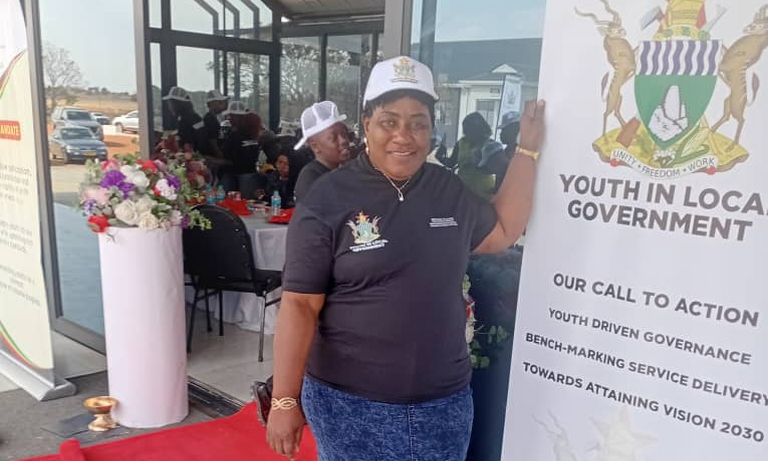
Brenda Mugava, a Gender Champion and the Chairperson of the Gender Committee for Gokwe North Rural District Council, has become a leading voice in the fight against drug and substance abuse in Gokwe North, Zimbabwe. As a female councillor who works closely with various ministerial departments and youth structures, Mugava witnessed how drugs such as Broncleer (“Bronco”) and marijuana were endangering the future of children in her district.
She often expressed her concern to council members, saying, “I could not sit back and watch an entire generation drown in Bronco and marijuana. Something had to change, and it had to change fast.”
Before the council’s intervention, drugs were contributing to school dropouts, early marriages, and rising arrests. Many children were losing focus, and the community was overwhelmed by the social impact of substance abuse. Mugava recognised that the district needed a coordinated response built on education, community mobilisation, and strong leadership. During the initial strategy meeting, she emphasised unity, stating, “We must fight this as one community—parents, teachers, youth and leaders.”
Using the guidance from national policy frameworks such as the Multi-Sectoral Drug and Substance Abuse Plan (2024–2030) and support from Gender Links, the council developed a local master plan. They introduced youth seminars in the council boardroom, where Mugava led conversations on the dangers of substance abuse and the importance of informed decision-making.
Together with the Junior Council and the Gender Committee, she coordinated district-wide awareness campaigns. These campaigns aimed to prevent drug abuse, reduce child marriages, destigmatise addiction, and strengthen community support systems. The campaigns reached schools, village gatherings, churches and youth groups across the district.
Mugava continued to remind school leaders and parents of their critical role, often saying, “The future of our children must be built on knowledge, not substances. The impact soon became visible. Reports of child marriages decreased, arrest rates dropped, and schools recorded fewer dropouts. Communities began discussing substance abuse more openly, and youth showed renewed interest in education and leadership activities.
The council has committed to sustaining this progress through continuous engagement with school heads, ongoing awareness activities, community dialogues, and strengthened partnerships with national ministries. Mugava remains at the forefront of the initiative, firmly believing in long-term prevention. As she often emphasises, “This is not a once-off campaign—this is a commitment to protecting our children’s future.”
Through Mugava’s leadership, Gokwe North has demonstrated that a united community can confront a drug crisis and pave the way for safer, healthier, and more hopeful futures for its young people.
Comments
Related Drivers Of Change