
Zimbabwe: When Leadership Meets Compassion: Mercy Mangwanya’s Journey of Community Transformation

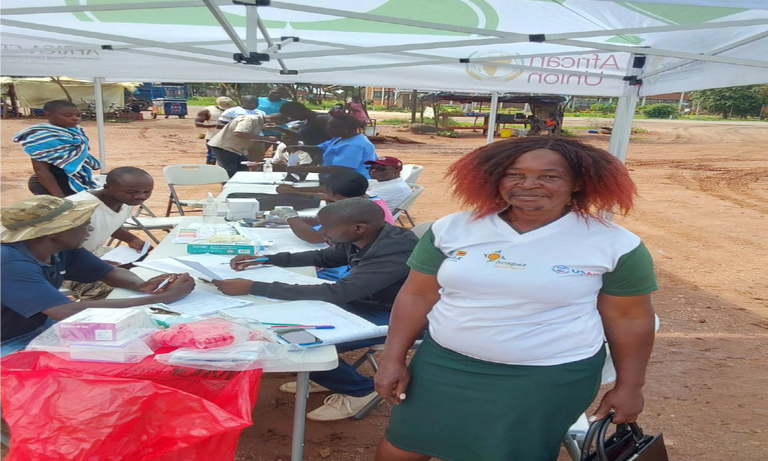
Mercy Mangwanya, a councillor in Ward 1, Midlands Province, Zimbabwe, has become a beacon of hope and transformation for women, children, and vulnerable groups in her community. As a dedicated community health worker linked to the Gweru City Council, Mangwanya has spent years actively addressing gaps in maternal and child health, nutrition, and gender equality, particularly among low-income households.
Growing up in a community where access to healthcare and education was limited, Mangwanya understood first-hand the impact of inequality and marginalization. Today, her work ensures that families, women, children, and even marginalized groups like sex workers and members of the Apostolic community gain access to health services they had previously been denied. “I realized that health is not just about clinics and medicines; it’s about trust, knowledge, and empowerment,” said Mercy Mangwanya.
Before Mangwanya ’s interventions, Ward 1 faced a harsh reality: malnourished children, low antenatal care attendance, poor immunization rates, and cultural barriers that discouraged women from seeking healthcare. Mangwanya’s approach combined formal health programs with personal engagement-visiting households, accompanying women to clinics, and mentoring them to take leadership over their families’ health. “When women understand their rights and how to care for their children, they become agents of change in their families and communities, “said Mangwanya.
Through workshops, peer support groups, and door-to-door outreach, women gained confidence and knowledge in maternal care, nutrition, family planning, and HIV awareness. Sex workers, once marginalized and fearful of clinics, now regularly access HIV testing and cervical cancer screenings. Even members of the Apostolic community, previously resistant to immunization, began attending antenatal services and vaccinations.
“Pregnancy is not my thing, I will not go to the clinic,” recalls one beneficiary, Theresa. But after Mangwanya’s persistent guidance, Theresa now actively attends prenatal care, reflecting the transformative power of mentorship and trust. Youth and vulnerable populations were also reached through drug abuse awareness programs, tuberculosis screenings, and health education campaigns. “HIV is not the end of the world,” shared a group of artisanal miners who participated in community testing drives, echoing the change in perception and behaviour that Mangwanya has fostered.
The impact of Mangwanya’s work is visible across multiple dimensions. Antenatal attendance has increased, children are immunized, and malnutrition has declined thanks to nutrition education and backyard gardens. Women trained as peer educators share knowledge with neighbours, reinforcing sustainable behaviour change. Health campaigns, including breast and cervical cancer awareness and World Breastfeeding Week, have fostered community pride and participation. Drug abuse awareness and health outreach programs have reduced risky behaviours and encouraged healthier choices. During each campaign, Mangwanya ensured that participants received practical recognition, such as T-shirts, which not only incentivized attendance but reinforced the sense of ownership and community commitment.
Mangwanya emphasizes that lasting change comes from community ownership. Women trained as peer educators continue to mentor others, maintaining backyard gardens, hygiene practices, and health routines. Partnerships with local clinics, religious institutions, and community leaders ensure ongoing access to health services. Documentation through photos, videos, and testimonials further supports replication and scaling of successful interventions.
“Change is only meaningful if it lasts, by empowering women, mentoring youth, and building community structures, we ensure that these improvements in health and gender equality continue for generations to come,” said Mangwanya.
Mercy Mangwanya’s story is a testament to how one determined individual can drive systemic change, transforming attitudes, behaviours, and health outcomes across an entire community. Her dedication proves that gender equality, maternal and child health, and community well-being are achievable when leadership, persistence, and empathy intersect.
Comments
Related Drivers Of Change