
Zimbabwe: Village Tourism Driven by Women and Youths in Nyanga

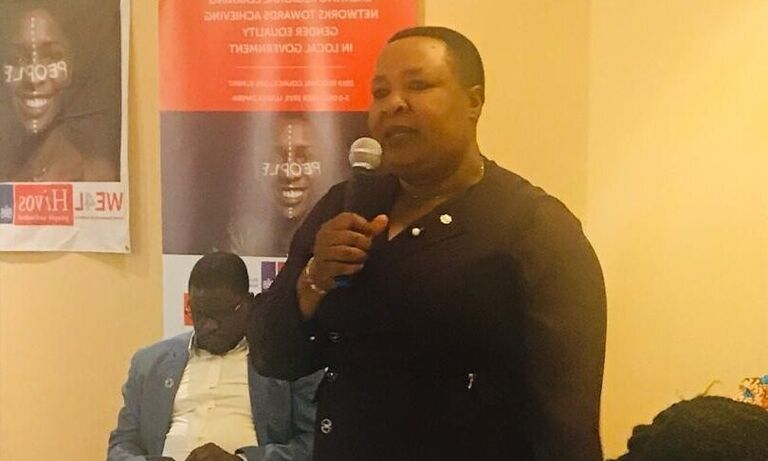
When Councillor Margaret Nyahoda first visited Sweden in 2014 under the “Capacitating Women in Local Government” programme, she returned home with an idea she could not let go of a vision for village tourism that centred women, empowered youth, and celebrated local heritage. “I saw how thriving village tourism was in Sweden,” she recalls. “From that moment, I knew it could transform Nyanga too.”
But for years, the idea struggled to gain traction. Nyanga District, despite being rich in attractions from ancient rock paintings in Nyadowa to pit houses, raised granaries, cultural caves, and traditional rituals had never fully tapped into its heritage as an economic engine for rural families. Tourism was concentrated around hotels and lodges, leaving rural communities excluded from the benefits.
Everything changed when Nyanga Rural District Council signed a Memorandum of Understanding with Musanze District in Rwanda. Tourism became a shared priority, finally opening political space for Margaret to push forward her idea. She wrote a motion to council calling for village tourism to be recognised as a policy area—and this time, the proposal was embraced.
Her passion for gender-responsive development fueled the initiative. “I am passionate about gender-driven programmes,” she explains. “Village tourism is one change that can touch many lives in the district.” The council chairperson’s support for tourism added momentum, and soon, the district began transforming its approach.
Thirty-one wards identified three homesteads each to serve as local “village hotels,” where tourists could immerse themselves in authentic rural life. Women took up roles in housekeeping and hospitality, while young people trained as tour guides, storytellers, and cultural ambassadors. Elders were invited to share indigenous knowledge—something once dismissed as outdated but now valued as a marketable cultural asset.
The community began to feel the change. As training, exposure, and networking opportunities increased, so did livelihoods. Social problems that had plagued the area—drug abuse, idleness, early marriage, and gender-based violence began to decline. Women, newly empowered with income and skills, started contributing meaningfully to family finances. Youth, now motivated and busy, had little time for destructive habits.
The excitement was palpable. “Zvava zvinhu!” (This is it!), exclaimed Queen Makaza, expressing the joy felt by many. Another community member, Shamiso Fortunate Chuma, proudly declared, “Nyanga kwanyangara” (Nyanga is shining). For others, the transformation proved a simple truth. “Where there is a will, there is a way,” said Munyaradzi Musithu.
As tourists increasingly showed interest in experiencing authentic village life eating sadza nematumbu, learning about traditional grainaries, exploring caves, or participating in rural routines the community realised that their way of life had value worth preserving. Cultural elements that were once dismissed as “backward” such as hozi, traditional beer, or rituals are now protected as heritage assets.
Evidence of progress is everywhere. The MOU with Rwanda is active, with virtual meetings ongoing and leadership exchanges taking place. The motion and council resolution on village tourism are in place. Homesteads across Nyanga are being upgraded to meet tourism standards, and residents are receiving training in housekeeping, tour guiding, environmental care, and African cuisine.
This change is not only real it is sustainable and scalable. With Zimbabwe named the world’s top tourist destination for 2025, Nyanga is poised for increased visitor numbers. Margaret emphasises the need to keep the growth responsible educating tourists, protecting the environment, maintaining standards, and ensuring a fair pricing model.
Scaling up will include expanding participating families, partnering with ZTA and travel platforms, integrating village tourism into mainstream tourism, improving road networks, digitising bookings, and learning from Rwanda and other successful models.
Margaret remains confident. The district’s new policy, community enthusiasm, and national tourism momentum have established firm foundations. What began as one woman’s persistent idea has become a district-wide movement empowering women, uplifting youth, preserving heritage, and reshaping livelihoods. And as the villagers of Nyanga proudly say “Nyanga kwanyangara.” Nyanga is indeed shining.
Comments
Related Drivers Of Change