
Zimbabwe: The Young Leader Who Turned Hopelessness into Hope in Nkulumane

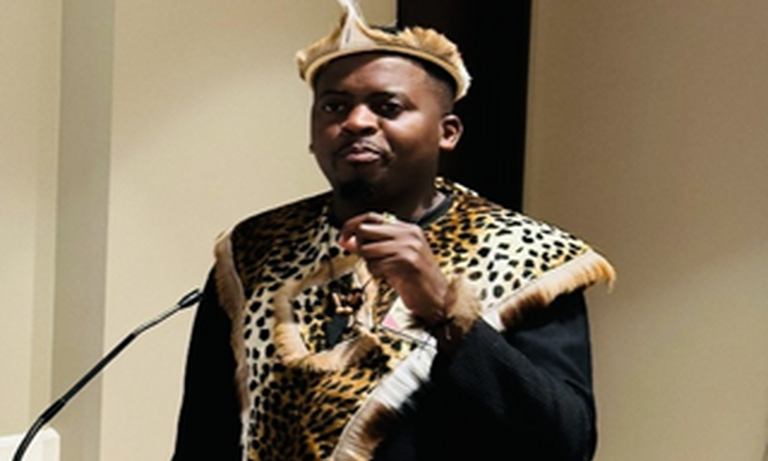
When Councillor Mmeli Bruce Moyo was sworn into office in August 2023 at just 24 years old, many residents of Ward 22, Nkulumane in Bulawayo were uncertain of what to expect from one of the youngest councillors in the city. The ward made up of Nkulumane 5 and Nketa 6 was a community weighed down by high youth unemployment, widespread drug and substance abuse, rising hopelessness, and the persistent exclusion of women and young people from leadership and economic opportunities.
Rather than accept this reality, Mmeli stepped into leadership with a firm conviction: local problems must be solved with local solutions, and development must be built around women and youth. “I wanted governance to become practical empowerment, not speeches and promises, but real opportunities that change lives” said Mmeli Bruce Moyo.
Drawing from community consultations held in 2023, he launched the Ubuntu Network in 2024 an initiative focused on skills development, digital literacy, entrepreneurship, sports, safe spaces for young women, and leadership training. The initiative offered hope in Ward 22 which was not felt in a long time.
Under his leadership, the ward saw a dramatic shift. The hopelessness that once defined young people began to give way to energy, innovation, and participation. More than 86 youths 70% of them young women and 13% persons with disabilities were trained in leadership and business skills. Many began their own enterprises, and 26 youth-led businesses have since been established through capital support and access to market stalls in Nkulumane Sokusile Shops, Nketa 6, and Egodini.
Women transformed faster than anyone expected. Through empowerment workshops, entrepreneurship training, and leadership circles, they found their voices. They began running small businesses, leading community initiatives, and mentoring other girls. The donation of sanitary wear to more than 300 young women in 2025 helped restore dignity and keep girls in school.
Community members noticed the change immediately. One resident, Annah Sande, expressed her appreciation: “I like the initiative you are doing great councillor; keep on rising my brother. The future is so bright.” Another resident, Zeluleko Moyo, shared: “Great work; Nkulumane is lucky to have you.” For many women and youth, the transformation was more than developmental it was emotional. As Pride Mhaka put it: “Things we love to see; thank you leaders.”
Drug and substance abuse had plagued the ward for years, but through sports tournaments, creative arts hubs, and youth dialogues, behaviour began to shift. Young people who were once idle were now on football fields, in digital labs, attending leadership sessions, or participating in skills programmes. School dropout rates decreased, particularly for girls, and parents reported improved behaviour and reduced loitering. Partnerships with schools, churches, and local organisations strengthened these changes and created a more united, active, and solution-focused ward.
The transformation did not come from top-down instruction it came from co-creation. Residents became active agents in shaping solutions. Women, youth, and persons with disabilities were positioned at the centre of leadership and decision-making. Ward meetings, once poorly attended, are now full. Residents come not to complain, but to propose ideas, volunteer, and organise. As Moyo describes it, “The community is no longer waiting for change; they are co-creating it.”
The sustainability of these achievements lies in the structures established: youth and women groups are being formalised into cooperatives; square-based mobilisation ensures every street is represented; local businesses, diaspora partners, and NGOs are being engaged for ongoing support; and digital innovation labs and youth mentorship programmes are being scaled. Ward 22 is quickly becoming a replicable model of community-led development in Bulawayo.
Councillor Mmeli Bruce Moyo’s leadership is grounded in listening, empowering, and enabling communities to take charge of their present and future. He has shown that young leadership can succeed when it is rooted in service, inclusivity, and the belief that women and youth are not beneficiaries but change makers.
From reducing drug abuse to empowering women and youth, from creating businesses to restoring dignity, the results are tangible and lasting. The story of Ward 22 is not just about development; it is about a new kind of leadership, one that uplifts the people first. And as the testimonies from the community show, Moyo’s work is not only seen but deeply felt. Nkulumane is indeed fortunate.
Comments
Related Drivers Of Change