
Zimbabwe: Mentorship as a Catalyst for Women’s Empowerment

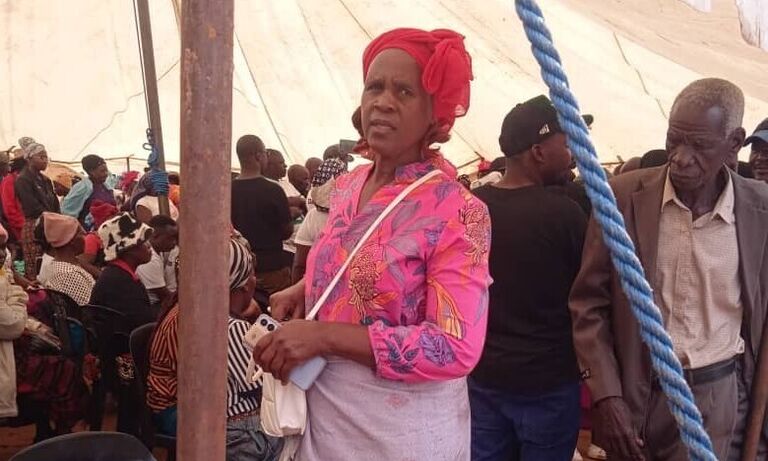
In Time Village, deep in Gokwe South under Chief Nemangwe, a powerful transformation has unfolded guided by the unwavering commitment of Councillor Rangarirai Mupatsi, affectionately known in the community as the “Mother of Passion.” For years, the village had been defined by rain-fed agriculture, poor infrastructure, and limited opportunities. “When I began this journey, most families depended only on rain-fed crops and small vegetable gardens,” she recalls. “People waited for the rainy season, and planning ahead was not common.”
Driven by a belief in people’s potential, she committed herself to shifting mindsets, uplifting livelihoods, and empowering women and men equally. Her approach was practical and deeply participatory educating households, demonstrating new farming methods, and mobilising community initiatives. “Through unity and passion, I have become a friend to many and an enemy to a few,” she says with a smile. “I always stand firm for progress and equality.”
Her leadership sparked a wave of change. Families who once relied solely on seasonal crops now sustain evergreen gardens throughout the year. Irrigation systems, from sprinklers to drip lines, have replaced watering cans, enabling productivity even in dry months. As she explains, “Our community now understands that farming is a business, not just survival. That mind-set alone changed everything.”
Access to clean water, improved sanitation, and strengthened nutrition practices has dramatically reduced preventable diseases. With better livelihoods, parents can now pay school levies consistently, keeping children in class and reducing early marriages. Modern homes some solar powered now stand where small huts once dominated the landscape.
Skills training and entrepreneurship programs flourished under her coordination, empowering young people and reducing theft, loitering, and drug abuse. Women, supported through partnerships like CAMFED, now run goat-rearing projects that generate income and even support school feeding programs. “One finger cannot crush a louse,” she emphasizes. “We worked together because development cannot be achieved alone.”
Economic transformation is visible everywhere. Gardeners supply tomatoes, maize cobs, watermelons, and other produce to markets as far as Gokwe, Kwekwe, and Gweru. During harvest season, locals earn money or take produce home, boosting household food security. Gender-based violence has declined as families shift their energy toward productive work and shared responsibilities.
Evidence of progress is undeniable: higher school enrolment, improved homes, thriving nutrition gardens, and a community no longer dependent on donors. Youths are now active participants in development, women run sustainable enterprises, and families live healthier, more dignified lives. “Change must continue,” Councillor Mupatsi insists. “People must be equipped to manage their own progress. That is how we make development last.”
Her story stands as a model of community-driven transformation proving that with passion, unity, and strong leadership, even the most underestimated villages can rise into prosperity and equality.
Comments
Related Drivers Of Change