Southern Africa: Safe abortion alliance leads the way

| Gender Links
Entry 11971
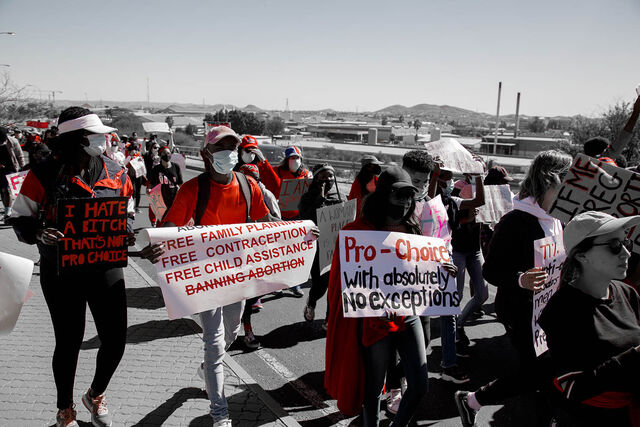
One of the lasting footprints of the Voice and Choice Southern Africa Fund (VCSAF) is the Safe Abortion Alliance of Southern Africa (SAASA) that grew out of the Learning and Sharing Summit in November 2023. SAASA was launched officially in a webinar on Safe abortion and GBV during the Sixteen Days of Activism on No Violence against Women on December 6, 2023. Since then, SAASA has convened monthly meetings. SAASA members met again in Harare in the wings of the Southern African Development Community (SADC) Heads of State Summit where they made presentations to the SADC Gender Day meeting on 15 August 2024. SAASA also drafted an action plan for the coming year and agreed to broaden their membership to all 16 countries in SADC.Since August 2024, SAASA has grown from 27 members to 43 members from eight SADC countries (Democratic Republic of the Congo, Lesotho, Malawi, Mozambique, Namibia, South Africa, Tanzania, and Zimbabwe), with the intention to recruit members from all 16 SADC countries. Invitations to join the network are being made. The Sexual and Reproductive Justice Centre (SRJC), a VCSAF grantee, is planning a strategy convening in Johannesburg at the end of November 2024, to develop a collective vision for the alliance and strategise to advance safe and legal abortion access across Southern Africa.In a statement on 28 September, Safe Abortion Day, the Alliance noted that by “working together with local communities, governments, and healthcare providers, SAASA can create a future where all women can make decisions about their bodies and futures. SAASA stands in solidarity in our communities, highlighting the collective efforts of our diverse, intergenerational, and cross-border community in advancing the right to access safe abortion and reproductive justice. As women face persistent and emerging threats to abortion rights and reproductive justice, SAASA unites in #AbortionSolidarity to uphold and advance these fundamental freedoms.”Significance of the changeThe formation of SAASA is a landmark achievement in Southern Africa’s journey towards reproductive justice, bringing together diverse voices to advocate for safe, legal abortion and comprehensive Sexual and Reproductive Health and Rights (SRHR) access. In a region where maternal mortality due to unsafe abortion remains high, SAASA’s work is essential. The alliance empowers women by breaking down the stigma around abortion and providing critical information on safe abortion options. SAASA’s efforts contribute to a long-term vision where all women, regardless of socioeconomic status, can make informed decisions about their reproductive health. By advocating for decriminalisation of abortion and access to medical support, SAASA not only raises awareness but also lays the groundwork for impactful policy reforms that could save countless lives across Southern Africa.Organisational contribution to this changeAlthough the network is still in its infancy, key successes of this collaboration to date include:Research: SRJC is collaborating with Gender Links and the SAASA to survey information from abortion providers in South Africa. The goal is to obtain information collaborate with and support providers to improve the service. Consolidated data from this survey is being used to advocate for greater access to safe choice of termination of pregnancy, including through this Barometer.Preliminary findings show that 60% of the providers were based at a public clinic or hospital, 37% at a private facility and one respondent is providing information. In terms of the abortion services provided, 26 provide first-trimester surgical abortions, 25 first-trimester medication abortions, six second-trimester surgical abortions and five support self-managed abortions. All providers also offer contraception counselling and services; 25 provide treatment for Sexually Transmitted Infections (STIs), 24 counselling, testing for HIV and referral for Antiretroviral (ARV) access, and there are other SRHR services provided.The research shows that women from most SADC countries and beyond seek Choice on Termination of Pregnancy (CTOP) services in South Africa, only one of two countries where abortion is legal on demand. However, even there, women continue to die as a result of unsafe abortions. Judiac Ranape, an abortion provider in the Western Cape, explained that the interplay between morals, ethics and legal duties for health care providers creates barriers for women to access safe abortion. She says, “The dearth of abortion providers undermines the availability of safe, legal abortion, making it easier for unscrupulous abortion providers to thrive.”The research makes a strong case for all countries of Southern Africa to decriminalise abortion altogether, in accordance with latest WHO recommendations, as well as ensure that these services are freely available.Strategic litigation: To mark International Safe Abortion Day, celebrated annually on 28th September, members of SAASA hosted a dialogue on what we need to do to improve women’s access to safe abortion as prescribed by the laws in SADC countries.Lynette Mudekunye, author of the Safe Abortion chapter of the Voice and Choice SADC Barometer, noted that “In every country in the world, women of all ages and socio-economic means will at some point decide that they are not able to carry a pregnancy to term for many different reasons. Once a woman decides to have an abortion, she will find a way to do it”.The statistics are startling; it is estimated that 8 million abortions occur in Africa every year – a quarter are safe, a quarter are unsafe, and half are least safe. Africa has the highest rates of abortion-related deaths of any region in the world. The global average death rate from unsafe abortion is 103 deaths per 100,000 unsafe abortions; it is 220 in Africa.Panellists from five countries with different abortion laws and interpretations described the obstacles that persist for women when trying to access safe abortion within their laws. In Malawi, which partially complies with the Maputo Protocol’s abortion provisions, Zaithwa Katherine Milanzi of the Young Women’s Consortium on SRHR in Malawi pointed out that one of the biggest challenges to women accessing any SRH services is the lack of resources from national-level health budget to the resources available to women at the household level. Milanzi highlighted climate disasters as a particular challenge to accessing SRHR in a country that is vulnerable to cyclones and drought. In times of disaster, women’s SRHR compete for available resources amidst shortages of many essential goods and services. While she welcomed the newly enacted Disaster Management Act 2023, she lamented that the Act does not specifically mention access to SRHR in disaster management. Lesotho, where abortions are permitted in compliance with the Maputo Protocol, has the highest maternal mortality ratio in SADC. According to Refiloe Harris of She HIVE Association, an NGO in Lesotho, stigma, stereotypes, and religious, cultural and social norms are the biggest barriers for women and girls in accessing safe abortion. She HIVE Association were successful, as shared elsewhere, in using the existing law to secure a court order for the termination of a pregnancy in a 16-year-old that was the result of abuse. Hilda Dadu from the Coalition for Women Human Rights Defenders shared that, in Tanzania, termination of pregnancies resulting from sexual assault, rape and incest is not permitted. Thus, girls and women who become pregnant from any of these are forced to either keep the pregnancy or to seek unsafe abortions. Both of these options can result in life-long physical and mental trauma. It is estimated that one million women have unintended pregnancies in Tanzania every year, of which 39% end in abortion.Medication abortion: SAASA is reaching out to the Mama Network, that promotes medication abortion, to learn more about how its members can access these services.Holistic approaches: The dialogue underscored that there is an urgent need for a multi-sectoral and multipronged approach to addressing these challenges that includes working with local partners, families, men and policymakers to advocate for decriminalisation of abortion and to protect women's right to safe abortion services. It is essential to conduct outreach and educational campaigns to raise awareness about safe abortion and combat stigma and misinformation. It is also important to connect women with support services, including information to access safe, self-managed medication abortion, counselling and post-abortion care to ensure their well-being.SAASA’s formation and growing influence represent a powerful shift in the movement for reproductive rights in Southern Africa, spotlighting the urgent need for safe abortion access. As a next step, SRJC and SAASA plan to expand the alliance’s reach to all 16 SADC countries and formalise a collective strategy to guide future actions. Continued engagement with community leaders, policymakers, and healthcare providers is essential to destigmatise abortion and advocate for comprehensive legal reform. The alliance will also enhance outreach campaigns to educate communities on safe abortion and self-managed care, supporting a future where all women have the right to make safe, informed decisions about their bodies.Comments
Related Stories Of Change