South Africa: Men as allies - An African feminist approach to ending GBV

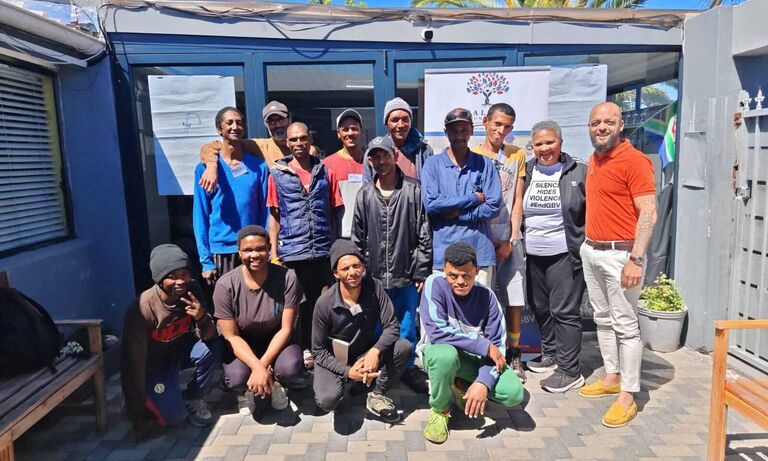
The Men's Engagement and BBB (Building, Bonding & Beyond) Boys’ Programme were developed by the Callas Foundation in response to the high levels of violence, gangsterism and harmful gender norms in communities on the Cape Flats. Young boys and adult men in these areas grow up in environments that normalise aggression, dominance and rigid masculinity factors that fuel cycles of gender‑based violence (GBV) and femicide.
Before this intervention, boys aged 9–16 were particularly vulnerable to gang recruitment and violent behaviour, while many men had few opportunities for healing, accountability or modelling healthy relationships. The programmes aimed to break these cycles by promoting positive masculinity, emotional regulation, conflict‑resolution skills and respect.
The change process unfolded through deep reflection, structured learning and experiential activities. The Men's Engagement Programme consisted of a 10‑week cycle covering masculinity, emotional expression, consent, trauma, allyship and fatherhood. Activities included dialogue, journaling, role‑play, grounding and creative methods to ensure safety and accessibility. Concurrently, the weekly Boys’ Programme provided safe spaces for boys aged 10–15 to learn how to resist peer pressure, challenge stereotypes and build peer accountability. A residential camp strengthened teamwork, decision‑making and mentorship.
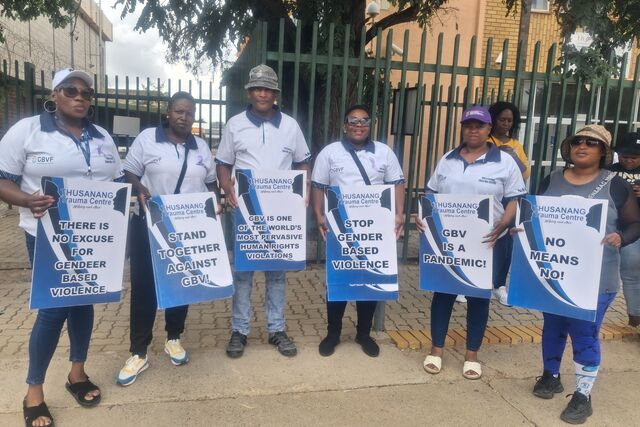
Participants applied their learning in community actions such as the Men Affirming Dignity (MAD) Exhibition and Dialogue, World Food Day, the 16 Days of Activism demonstration and a community fun run. These events shifted public perception, showing men and boys as allies in GBV prevention.
Facilitators such as Gordon Parker and trained Callas Foundation staff played a crucial role, supported by community partners including SAFFI, MenEngage Africa and Mustadafin Foundation. Fifteen men completed the programme, while an estimated group of boys participated weekly.
Behavioural and attitudinal shifts became clear. Men demonstrated improved emotional literacy, greater willingness to express vulnerability and stronger commitment to non‑violence. Boys gained conflict‑resolution skills, resisted harmful stereotypes and strengthened positive peer relationships. Families and communities benefited from reduced violent behaviour and increased modelling of healthy masculinity.
Before the programmes, many men lacked accountability structures, and boys faced pressure to conform to patriarchal norms. Now, participants demonstrate emotional awareness, non‑violent conflict resolution and positive engagement with family and community. The programmes have contributed to improved safety, social cohesion and community‑led GBV prevention.
The significance of this change lies in demonstrating the power of intentionally engaging men and boys as allies. It provides a replicable model for trauma‑informed, gender‑transformative interventions that change social norms and strengthen community accountability.
Sustainability is ensured through continuous programme cycles, mentorship networks, community partnerships and integration with broader GBV prevention work. Documentation and knowledge sharing will support replication in other communities. Participants will continue to serve as role models, reinforcing the shift toward respect, care and accountability.
Mr M "I don’t like to talk about my relationship with my father because my father did not like me."
Parker "This journey has been transformational for me."