South Africa: Empowering a Survivor Through the Callas Foundation's Access to Justice and Court Support Programme

Breaking the Silence: A Survivor’s Journey to Justice
For nearly four decades, a woman known by the pseudonym “Niece” lived in silence, carrying the weight of a childhood trauma that had never been acknowledged, let alone addressed. At the age of 51, she finally found the courage to speak out about the sexual abuse she endured at the hands of her uncle, Bernard Da Fraetas. The abuse, which began when she was a child, had remained buried under layers of fear, disbelief, and societal stigma.
Her silence was not unique. In many communities, especially where family ties are strong and reputations are fiercely protected, survivors of sexual violence often face isolation and invalidation. For Niece, the turning point came in 2023 when she discovered that her abuser was employed as a school transport driver. The thought of other children being at risk reignited her resolve. She broke her silence—not just for herself, but for the safety of others. Shortly after her disclosure, another relative, who had been abused at the age of five, came forward. This second revelation confirmed a pattern of abuse and underscored the urgency of intervention. The trauma was not confined to one individual; it was a systemic issue that had gone unchallenged for years.
Before the Callas Foundation stepped in, Niece had no access to psychosocial support, no guidance through the legal system, and no safe space to process her trauma. The community lacked the tools to hold perpetrators accountable or to protect vulnerable individuals. But change was on the horizon.
A Pathway to Justice
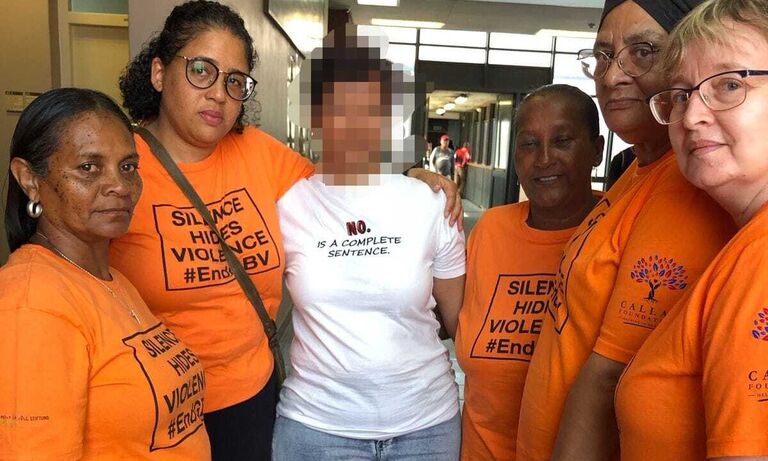
The Callas Foundation’s Access to Justice and Court Support Programme became a lifeline. Through court accompaniment, legal empowerment, and psychosocial services, Niece was able to navigate the legal system with dignity and support. The perpetrator was convicted and sentenced, marking a monumental victory not just for Niece, but for the community.
“For many years, nobody believed me, and this is why I was so relieved at the judgment,” Niece shared. Her words reflect the deep emotional release that comes with being heard and validated.
“Now that he has been sentenced, I can live the life I always wanted to, and he must pay for his crimes,” she added, expressing a sense of closure and empowerment.
The impact of the case rippled through the community. The conviction raised awareness about sexual abuse, broke the culture of silence, and encouraged other survivors to come forward. A human rights defender involved in the case remarked, “Today, justice has been served and prevailed, a victory indeed. However, are we able to implement restorative justice for the perpetrator to deepen the understanding of the crime committed, considering the age of the perpetrator and to ensure true reform?”
Evidence of Change
The change is documented in official court proceedings, survivor testimonies, and the support records maintained by the Callas Foundation. The emergence of a second survivor within the same family further validates the intervention’s impact. Community engagement has increased, and new disclosures have followed, indicating a broader shift in attitudes toward sexual violence.
Sustainability and Next Steps
Building on this momentum, the Callas Foundation is expanding its survivor-centred court support programme. Plans include training more First Responders, enhancing psychosocial care, and strengthening partnerships with legal and social service stakeholders. Long-term funding is being sought to scale outreach, transport assistance, and community-based referrals.
Future steps involve formalising case tracking tools, supporting volunteer wellness, and advocating for systemic reforms in the justice process for GBV survivors. The Foundation aims to use this case as a model for survivor-led healing and community education, breaking cycles of silence and reinforcing trust in justice mechanisms.
Community dialogues will continue to raise awareness around GBV, its impact on families and communities, and the importance of survivor support systems. These conversations are vital to fostering a culture of accountability and compassion.
By:Lynette Dixon
Comments
Related Stories Of Change