Malawi: Young women reclaim bodily autonomy through legal literacy

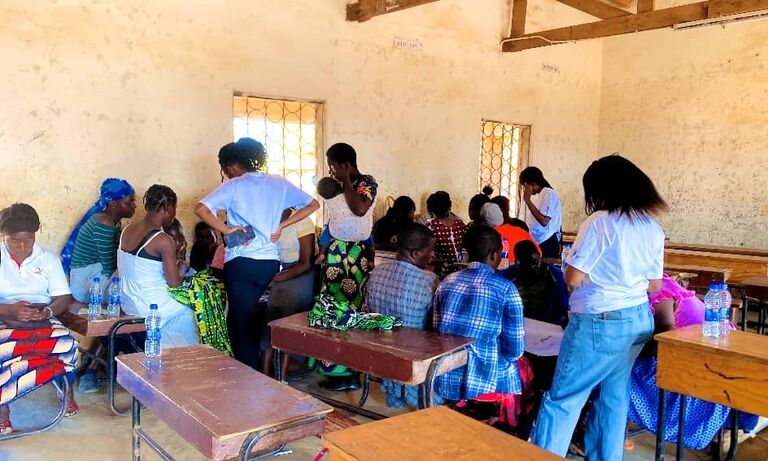
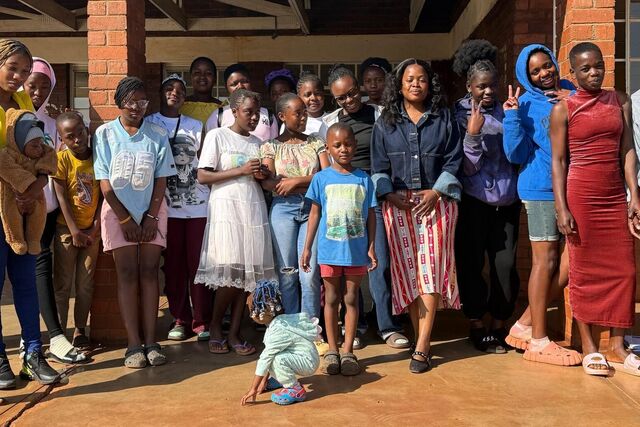
The project “Thupi Langa, Ufulu Wanga (My Body, My Rights)” was implemented by the Young Feminists Network (YFN) as part of a Women of the South Speak Out Fellowship advocacy plan. Focus group discussions were held in Zomba, Blantyre, and Mzuzu with young women aged 18–30. The aim was to improve knowledge of SRHR laws, address stigma, and strengthen feminist movement-building.
Young women in Malawi face systemic barriers including limited knowledge of bodily autonomy, stigma surrounding SRHR, lack of access to services, and fear of engaging with health systems. Despite a strong legal framework protecting SRHR, many remain unaware of their rights and unable to challenge violations. This project responded by creating safe discussion spaces where young women could speak openly about their experiences.
The FGDs combined presentations, group discussions, and collective dialogue. Songs and dance were incorporated as tools of healing and solidarity, reflecting African feminist organising traditions. YFN facilitators, supported by experts from the Nyale Institute, guided discussions on legal rights, stigma, and strategies for improving SRHR access.
A significant mindset shift occurred during the sessions. Participants moved from viewing SRHR as taboo to understanding its connection to bodily autonomy and human rights. They expressed increased confidence in seeking SRHR services, asking questions, and supporting their peers.
Participants had often felt isolated, believing their struggles were personal rather than systemic. Through open conversation, they realised the shared nature of their experiences and acknowledged the role of patriarchal norms in shaping stigma. The shift from internalised shame to collective understanding laid the foundation for ongoing feminist organising.
The project also strengthened the capacity of YFN members and contributed to institutional learning. It reinforced YFN’s position as a key movement actor in SRHR advocacy.
The significance of this work lies in reframing SRHR as a rights issue rather than a moral or taboo subject. It contributes to feminist organising by dismantling internalised misogyny and encouraging collective action. The project amplified young women’s voices and empowered them to speak out about their bodily autonomy.
Qoutes
To sustain the change, YFN will integrate legal empowerment work into core programmes, develop SRHR toolkits, and strengthen peer-to-peer knowledge sharing. The model will be scaled through existing chapters in Zomba, Blantyre, Lilongwe, and Mzuzu.
Thokozani Before this activity, I thought I was alone. I now know these issues are not taboo and I can speak out.
Esther K I now know that I have a right to access SRHR services without shame.
YFN Facilitator At the end of the activity, participants clearly saw themselves as rights‑holders.