Madagascar: Plan d’action national pour l’effectivité des droits humains, l’inclusion sociale et la promotion de la diversité

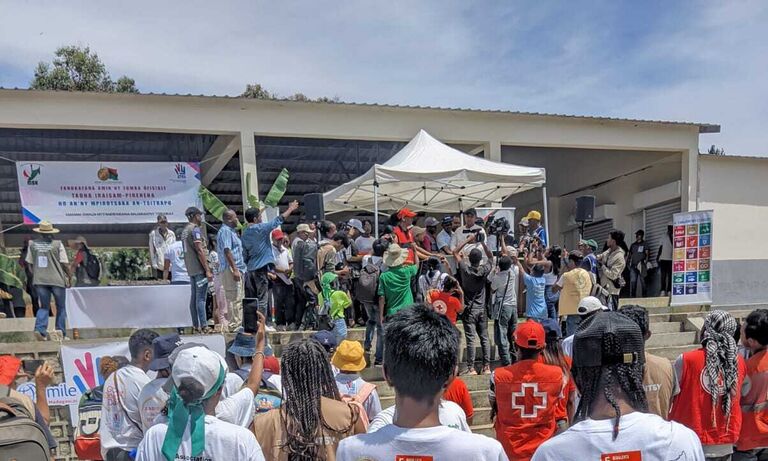
In Madagascar, LGBTQI+ people continue to face systemic violence, social exclusion and widespread impunity. Although legal principles exist, they offer little real protection. Crimes targeting LGBTQI+ persons often go unreported or unpunished, and many individuals remain isolated without knowledge of their rights or available recourse.
The organisation JUSTICE ÉGALITAIRE POUR EL (JEPE) was originally founded to defend the rights of lesbians, but its scope has since expanded to include the entire LGBTQI+ community. With its headquarters in Antananarivo, JEPE focuses particularly on urban areas where both the concentration of LGBTQI+ people and the risks of stigmatisation are high.
The project aims to address three major obstacles: the gap between law and implementation, the impunity of aggressors, and the lack of legal clarity on crimes committed against LGBTQI+ people. JEPE’s work is anchored in four strategic pillars: legal analysis of existing frameworks, leadership and capacity building, networking, and the creation of a national advocacy action plan.
Change began through a shift from victimhood to active citizenship. JEPE implemented a structured empowerment approach combining leadership development, legal understanding, and strategic advocacy. Training sessions helped participants strengthen confidence, understand gender and sexuality concepts, and embrace intersectional identities. Legal workshops translated complex laws into accessible tools, enabling community members to identify rights violations and advocate effectively.
The creation of networks and collective spaces fostered solidarity and strengthened community leadership. As individuals shared experiences and expertise, isolated voices became a unified movement capable of engaging with decision‑makers.
Throughout 2025, the project generated a structural transformation marked by strengthened dignity and professionalised advocacy. Before the project, the LGBTQI+ community often viewed laws as inaccessible and feared ridicule, preventing collective action. With training, community leaders gained the confidence and skills to analyse legal texts, identify protection gaps and advocate for reform. The emerging action plan has become a roadmap for demanding legal effectiveness and ending impunity.
The change is significant because it elevates LGBTQI+ advocacy from emotional appeals to technically grounded legal demands. The movement now speaks with authority, positioning itself as a legitimate actor capable of engaging state institutions. As trained members begin mentoring others, the project builds a multiplier effect that strengthens the community across regions.
Sustainability relies on maintaining a core group of trained leaders, using the action plan as a reference tool, and expanding partnerships. JEPE intends to extend its model to rural areas where LGBTQI+ communities are even more isolated. Future work will focus on integrating recommendations into national procedures, hosting roundtables with justice and security actors, and expanding legal training.
The long‑term goal is to build a Madagascar where LGBTQI+ people can live free from violence and discrimination, supported by effective laws and strong community structures.
Quotes
RASOAMANARIVO Faniriniaina Identité et affirmation orientation sexuelle.
SASA Connaissance approfondie du droit et de la loi.
Andry Estimation de soi.
Comments
Related Stories Of Change