Tanzania: Advocacy for Extended Maternity Leave - A Partnership for Maternal and Child Health in Tanzania


Women Fund Tanzania Trust and the SRHR Coalition achieved a historic victory expanding maternity leave for mothers of preterm babies. The reform offers renewed hope and dignity to families previously forced to choose between employment and infant survival.
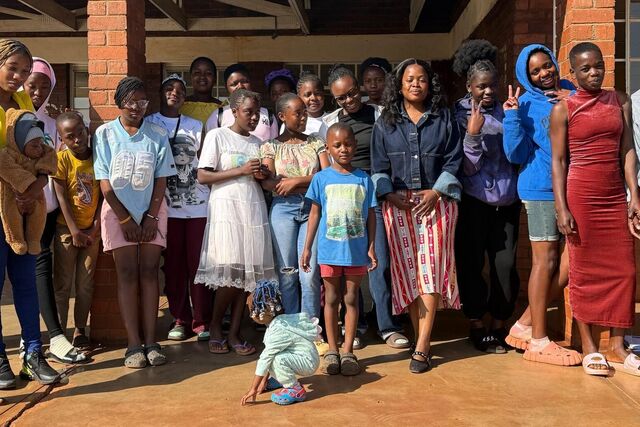
Women Fund Tanzania Trust, in partnership with the Tanzania Sexual Reproductive Health Rights Coalition, led a nationwide advocacy initiative addressing maternal and child health challenges affecting mothers of premature babies. Tanzania’s previous 84‑day maternity leave policy created devastating consequences for mothers of preterm infants. Because leave began at birth, mothers were forced to return to work while their infants remained medically fragile, often still in need of specialised neonatal care. Many women lacked insurance coverage to support extended care periods, deepening emotional and financial strain.
The coalition mobilised evidence‑based research, grassroots women’s organisations, and national‑level advocacy to push for policy reform. Public awareness campaigns amplified mothers’ testimonies, while healthcare professionals and labour advocates added technical evidence supporting the need for longer leave. Advocacy targeted Parliament, labour ministries, and insurance regulators, emphasising that premature births—representing 40% of neonatal deaths—require longer periods of maternal care.
In 2024, Parliament passed an amendment to Section 33 of the Labour Laws extending paid maternity leave until preterm babies reach their full gestational age. Mothers delivering two months early now receive two additional months of paid leave—making Tanzania one of the first African countries to adopt this level of protection. This change directly benefits an estimated 332,000 mothers annually.
The significance of this reform is profound. It demonstrates the power of feminist organising, coalition‑building, and evidence‑driven advocacy. It brings Tanzania closer to universal maternity protection and validates the movement’s call for holistic reproductive health rights. However, additional work remains: expanding the extended leave to all mothers, improving insurance coverage, and strengthening curriculum reforms that address biological risk factors for preterm birth.
Sustaining the change requires monitoring employer compliance, public education, and ongoing collaboration with government agencies. Scaling the reform involves advocating for universal 168‑day maternity leave, comprehensive insurance packages, and long‑term education reforms. Tanzania’s progress now serves as a model for neighbouring countries seeking similar reforms.
Quotes:
Neema Hamisi - When my twins were born at 32 weeks, I feared losing my job. This law gave me time to care for them and restored my dignity.
Grace Mlowe - Before this law, mothers like me had to choose between jobs and our babies’ survival. Now our children have a fighting chance.
Amina Juma - As a nurse, I’ve seen mothers cry leaving babies in NICU because leave ended too soon. This law transforms everything.
Comments
Related Stories Of Change