Lesotho: Woman-on-top

Lesotho: Woman-on-top
The story of a rural woman who defied odds to become her village’s beacon of hope
Lesotho, like most countries of the world, especially along the stretch of the African territory, is based and operates on a patriarchal system, which means males are a very integral part of society, especially on traditional elements like leadership. It is no wonder, therefore, that for most villages, particularly those placed deep into the rural areas, the idea of a female leader more so a young one, at any setup is, simply put, unthought of.
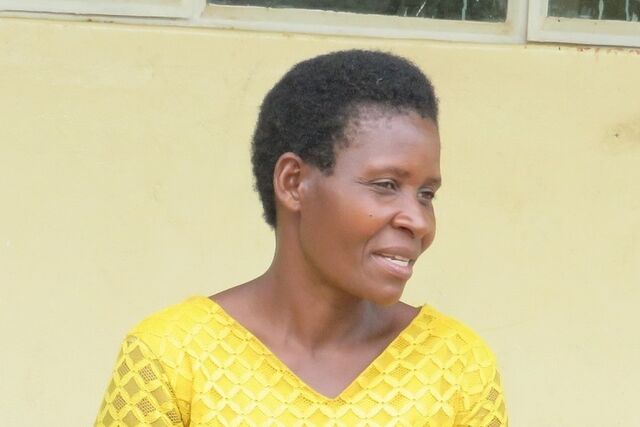
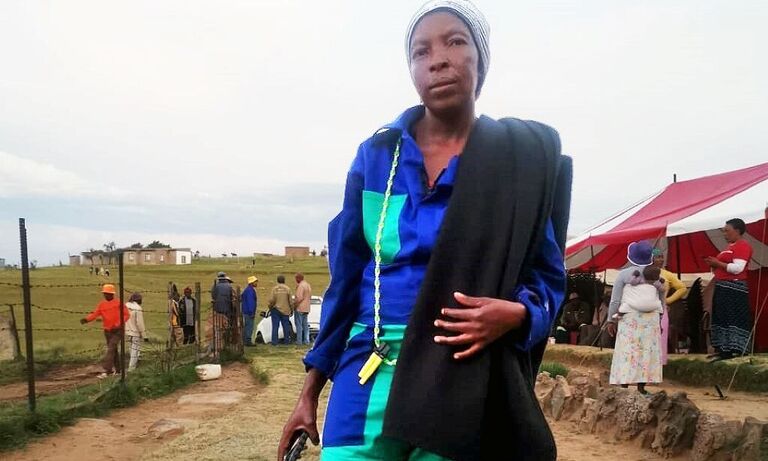
When Maleboea Phateli of Ha Leboea, a small rural village tucked along the banks of the Mohokare River in the outskirts of Leribe was forced by circumstances to step-up and take over the reins of leadership in the place of the incumbent Chief Lejapoli Phateli, people just simply lost their minds. “A woman as chief? Not under our watch” they’d protest.
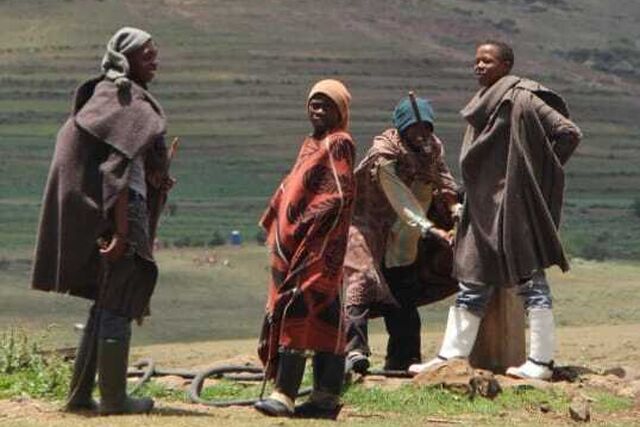
However, today, it has been 16 years of peace, harmony and joy for this rural village with her at the helm. Surrounded by hills, open fields, and natural beauty, it is a village where life moves at a steady, peaceful pace. Most residents rely on farming for their livelihoods, tending to crop and animals. Families live close together, supporting each other during hardships and celebrating together during community events. The Mohokare River provides water for farming and daily household needs.
Like many rural areas, Ha Leboea faces challenges- limited access to electricity, poor road infrastructure, few job opportunities, and rising social issues such as crime. Yet, its strong cultural values, traditions, and communal unity remain at the heart of village life.
In this village, leadership has traditionally been a male domain, with chieftainship passed down through men. Some 16 years ago, Maleboea stepped into leadership after her husband, who had inherited the title from his late father, moved to South Africa for work.
She admits that at first, she never imagined herself in the role. “I thought being a chief was for men, and elderly men at that,” she says. “It took me about six months to adjust, learning the responsibilities while receiving guidance from elderly men on the chief’s committee.”
Her leadership team now consists of three men who assist her, and she also works closely with a development committee where women are the majority. Despite initial skepticism from some villagers, her leadership has grown strong.
“Sometimes, people underestimate me because of my size and age,” she explains. “When I call community meetings, some do not attend just because I am leading. Young people can be difficult when I correct them, but the elderly men reinforce my authority and support my decisions.”
To address community issues such as neglected responsibilities or minor crimes, Maleboea uses community-based corrective measures, where offenders are sometimes ordered to repair roads, perform communal labor, or participate in other restorative actions. These interventions help teach accountability while avoiding heavy-handed punishment.
Her commitment to learning and leadership is strengthened by trainings organized for chiefs. Government departments, such as the Ministry of Livestock, invite her to attend workshops, update village records, and enhance her leadership skills.
Her praises are sung by most, both men and women. ‘Mamateletse Ramateletse, a young woman from the village, expresses strong support: “The chief leads very well. I have no complaints. All the committees support and work with her to develop the community.”
Pule Seperinkane, a staunch traditionalist male community member, admires her too.
“She proves that a woman can hold a knife by the blade. She is strong, honest, and dedicated. Even if some decisions upset people at first, they often prevent bigger problems later. Her leadership sometimes surpasses that of men because she leads from the heart and in honesty.”
Lesotho’s legal framework increasingly recognizes women’s rights in leadership. The Chieftainship Act 1968 allows women to assume acting roles when a male chief is unable to perform duties. Additionally, the Constitution of Lesotho guarantees equality and prohibits discrimination based on gender, supporting women in public and traditional leadership roles. These laws, along with policies promoting gender equality, provide a foundation for women like Maleboea to exercise authority confidently.
Organizations such as the Lesotho Federation of Women Lawyers (FIDA) play a critical role in supporting women leaders. Thusoana Ntlama, Director of FIDA Lesotho, explains: “We provide legal assistance, build leadership capacity, and educate communities on laws that protect women. Chiefs, including women, receive training on legal matters such as inheritance, property rights, and the 50/50 principle, ensuring they are well-informed to make fair and lawful decisions.”
FIDA also focuses on empowering women and protecting children, providing legal advice, mediation, litigation support, human rights training, and educational materials. By lobbying for reforms and raising awareness about discrimination, they ensure that women in leadership roles have the support of strong institutions.
Maleboea’s leadership is not just symbolic; it is problem-solving and results driven. She addresses the village’s social and infrastructural challenges while promoting participation from both men and women. She demonstrates that effective leadership is measured by action, fairness, and inclusivity rather than gender.
‘Mabataung Mokhathali, Deputy President of the Lesotho National Council of Women (LNCW), highlights the council’s longstanding commitment to supporting women in leadership. She says that even in the past, the council actively backed women by promoting access to information on sexual and reproductive health, women’s rights, and other essential services.
“We also partnered with organizations to provide training in practical skills, such as agriculture, so women could sustain themselves with their own hands. Over time, we established vocational schools where young women-and increasingly, young men-are taught skills that promote self-reliance and economic independence. Our goal is to build stronger, happier families, because when both women and men are empowered, households are more harmonious and productive,” she says.
LNCW organizes training programs, workshops, and mentorship schemes to equip women with leadership, negotiation, and public speaking skills. These initiatives provide a platform for women leaders to connect, share experiences, and collaborate in advancing gender equality across the country.
Written by Phongwazana Sakachane. This article, first published by Informative News, is part of the Media Parity Capacity Building Programme and republished as part of the programme series.
Comments
Related news