Lesotho: “Their stories, our responsibility”, Listening beyond the interviews

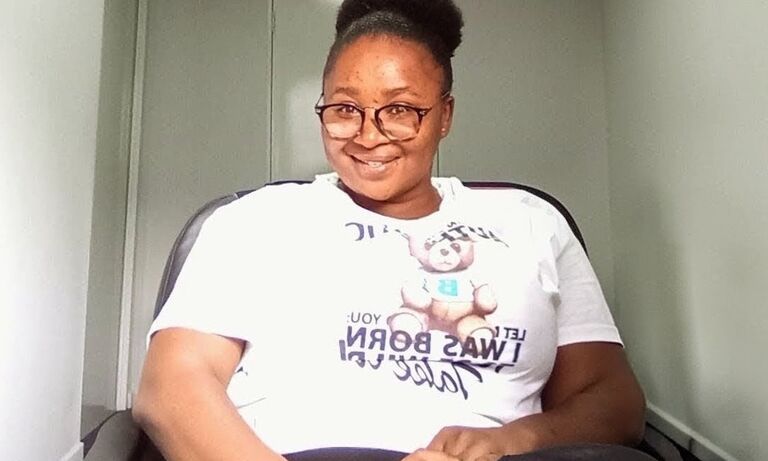
This reflects my personal experience of writing and conducting “I” stories with survivors of Gender‑Based Violence (GBV). When I began writing and conducting “I” stories, I thought I was simply collecting experiences. Little did I realize that I would walk away deeply changed. Listening to survivors for me was not just about hearing their words; it is about absorbing their pain, their courage, and the responsibility that comes with being trusted with their truth.
Overall, my experience was positive but emotionally demanding. Survivors shared deep, painful, and often traumatic experiences of abuse. Listening required empathy, patience, and emotional strength. While it was encouraging to witness survivors speaking out and reclaiming their voices, the weight of their experiences highlighted the urgent need for stronger prevention, healing, and support mechanisms, particularly for men, who are often viewed only as perpetrators in GBV discussions.
Through my interviews, I worked with four former mine workers from different districts who, after retirement and receiving their pensions, became survivors of gender‑based violence. Listening to their stories helped me realize that these were not isolated incidents, but an emerging pattern. These men described how family relationships shifted after retirement, with some spouses turning other family members against them. They experienced emotional, financial, and psychological abuse, often linked to control over pension money and changing household power dynamics. These conversations challenged common assumptions about who is affected by GBV and revealed how economic transitions can create new and under‑discussed vulnerabilities.
At the same time, other stories revealed how some men who became abusive were shaped by unresolved childhood trauma, toxic masculinity, and rigid gender norms that promote control and emotional silence instead of empathy. Listening to these contrasting experiences reinforced for me that GBV cuts across age, gender, and social background, but people in rural and marginalized communities suffer most because harmful practices persist and access to services is limited.
Historically, I learned that families enforced marriage by inflicting pain binding a girl’s finger and tightening it until she agreed to the union chosen for her. I had assumed these practices belonged to the past. However, one participant shattered that belief when she described being physically tied with a rope on the way to her marriage so she could not escape. Her experience showed me that while the tools may differ, the violence of denying choice and freedom remains deeply rooted in some communities. A lesson learned from her story is that, abuse is sustained not only by perpetrators, but by families, traditions, and social structures that normalize women’s suffering.
Listening to children highlighted serious gaps in access to justice. Some children shared that they could not speak freely in court because they were required to face their perpetrators. One child explained that she froze every time she entered the courtroom because of how the perpetrator looked at her. This reinforced my belief that child‑friendly courts are essential for justice, dignity, and protection.
Despite the pain, there were moments of hope. I interviewed men who recognized abuse, reported it, and sought mediation. In several cases, mediation helped de‑escalate family conflict. These experiences showed me that seeking help is not weakness, but courage.
This work reaffirmed that GBV prevention cannot succeed without intentionally including men and people with disabilities. In Sesotho culture, the proverb “Banna ba tents’ana ts’ea” speaks of men supporting one another, carrying each other’s burdens, and protecting one another with dignity. This principle can be positively reclaimed to encourage men to speak honestly about abuse, support one another toward healing and accountability, and choose lawful, non‑violent responses rather than silence.
Prevention must also start early. As the saying goes, “Thupa e otlolloa esale metsi.” We must educate children, especially boys about respect, accountability, consent, and emotional responsibility, instead of teaching girls to endure harm.
Listening to these stories changed how I understand GBV not as isolated incidents, but as deeply rooted practices sustained by silence and fear. Yet, I also witnessed courage and resilience. Ending harmful practices like forced marriage is everyone’s responsibility. Real change begins when we listen, believe survivors, and act.
"Ho mamela ho bolela ho ema le mahlatsipa."
Listening means standing in solidarity with survivors.
(Written by: Ntsekiseng Thetsane, Gender Links Intern)
Comments
Related news