South Africa: Social Workers as Champions of Change

Driving Change Through Social Work
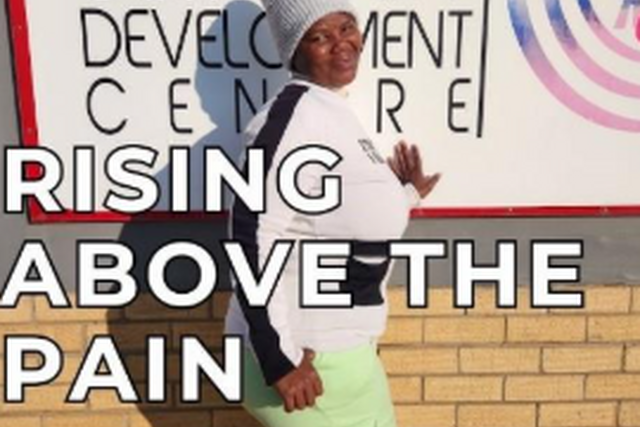
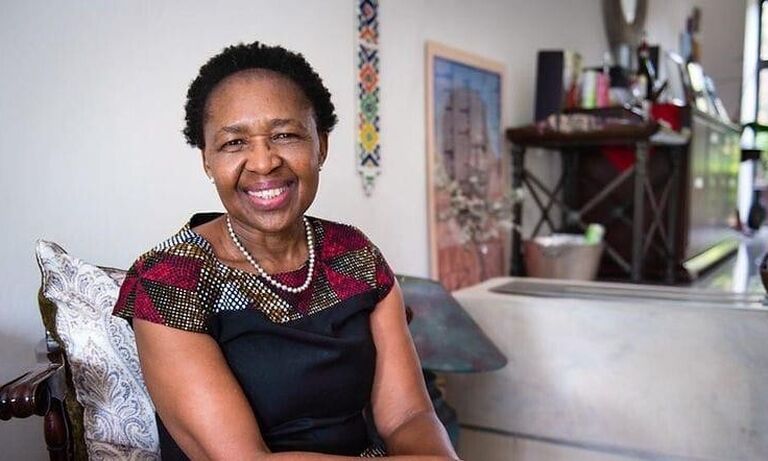
In South Africa, poverty and social fragmentation remain pressing challenges. Yet, amid these struggles, stories of resilience and leadership shine through. One such story is that of Ntjantja Ned. A social worker whose life’s mission is to ensure equal treatment for all children and empower communities to take charge of their own development.
The Context: Breaking Barriers
The journey begins with SAWID (South African Women in Dialogue), a 22-year-old women’s organisation committed to amplifying women’s voices in decision-making spaces. At its first Annual Dialogue in 2003, women identified poverty as the greatest obstacle to self-development. A study tour to Chile and Tunisia in 2006 revealed that psycho-social family interventions, led by social workers, were critical to poverty eradication. Inspired by these models, SAWID launched its Development Caravan approach, later adopted by WDB Trust as the Zenzele model in 2014. This initiative combined social work with micro-credit, echoing the success of the Grameen Bank in Bangladesh.
Despite these efforts, a stark reality persisted: by late 2023, South Africa had 9,000 unemployed social workers, even as communities faced escalating social challenges. In February 2024, SAWID convened a brainstorming session to address this paradox. The conclusion was clear. Social workers must be integrated into economic systems, creating pathways for employment while strengthening community resilience.
The Change: Ntjantja Ned’s Impact
Ntjantja Ned embodies this vision. As the Social Work Supervisor for SAWID’s Development Caravan from 2009 to 2014, and keynote speaker at the “Social Workers as Champions of Change” workshop in May 2025 (sponsored by Gender Links WVL), Ntjantja has shown what proactive social work can achieve.
Her organisation tackles inequality, lack of resources for children, and the disconnect between academic training and real-world challenges. Its objectives are bold yet practical:
- Promote equal support for all children.
- Revive community-led initiatives.
- Encourage intergenerational leadership.
- Align social work education with community realities.
- Empower social workers as changemakers beyond formal qualifications.
Evidence of Transformation
In the Eastern Cape, Ntjantja’s work has sparked a mindset shift. Mothers are attending training sessions, learning skills to support their families, and embracing self-reliance. Communities are asking, “What can I do?” instead of waiting for external solutions.
Leadership is emerging from within social workers and community members are initiating projects, fostering ownership and sustainability. Her influence extends beyond practical interventions; it is reshaping attitudes. Conversations about improving social work education and taking real action are gaining momentum.
Ntjantja’s message is clear:
“True champions are driven by passion, purpose, and the values of service and community. If it does not drive you, then you can’t promote change.”
Quotes:
Quote 1:
Francois Lubbe: - An incredible woman and leader. Make sure you register for this event to unblock new value in your business and life.
Quote 2:
Setswana Idiom – “Mosadi o tshwara thipa ka bogaleng” – A woman holds a knife by the blade.
Quote 3:
Ntjantja Ned: - True champions are driven by passion, purpose, and the values of service and community.
Sustainability and Next Steps
SAWID’s Design Workshop and subsequent workstreams aim to scale up social work capacity nationwide. The goal is to develop an economic model that sustains social work interventions, focusing on productive self-reliance while addressing social ills. Ntjantja’s story is not just about one woman. It is about a movement to transform communities through empowerment, leadership, and resilience.
By: Mbali Gexa
Comments
Related Stories Of Change