South Africa: From Victim to Victor

Background
Busiswa Wambu is a young woman from Town Two in Khayelitsha, one of Cape Town’s largest and most underserved townships. Her life story reflects the harsh realities faced by many women in South Africa: high levels of gender-based violence (GBV), poverty, and unemployment. These conditions often trap survivors in silence and isolation.
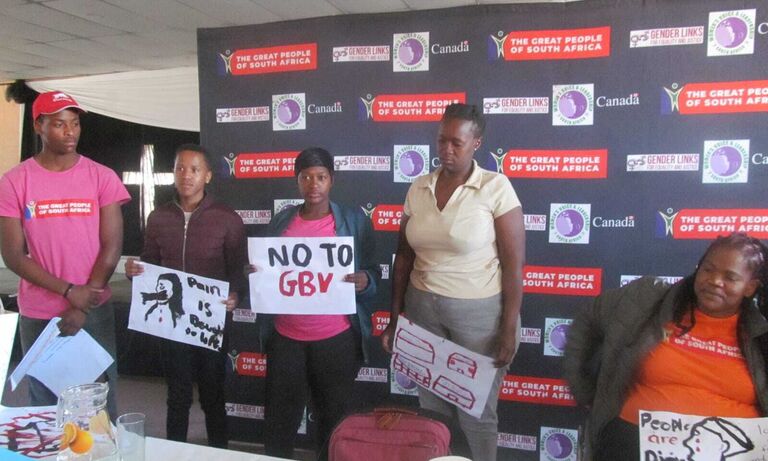
Before joining our program, Busiswa was unemployed and deeply affected by trauma. She avoided public spaces, struggled with low self-esteem and depression, and felt disconnected from her community. Speaking up in any setting was unimaginable for her. This story emerges from our Community-Based Informal Paralegal Training Program, supported by the RWLSA grant, which aims to build a survivor-led movement by equipping women with legal knowledge, civic participation tools, and leadership skills.
The Change
Busiswa’s transformation has been nothing short of remarkable. Today, she is one of the most engaged and confident trainees in the program. She leads group discussions, supports her peers, and speaks openly about issues that once silenced her. Her healing journey has empowered others to find their voices too.
Beyond the training, Busiswa has started participating in other community-led initiatives, including programs advocating for land rights. This shift demonstrates her growing civic awareness and personal empowerment—a powerful step from victimhood to leadership.
How Did This Change Come About?
The change was made possible through a safe, supportive environment created by our survivor-led paralegal training. Key activities included:
- Legal empowerment workshops to help participants understand their rights and the justice system.
- Facilitated group dialogues that encouraged sharing and listening.
- Peer mentorship and trauma-informed support, allowing survivors to learn and lead together.
These interventions gave Busiswa the tools and confidence to reclaim her voice and identity.
Evidence of Change
Before the intervention:
- Busiswa was shy, withdrawn, and disengaged from community life.
- She avoided speaking in groups or attending local events.
- She felt emotionally unsupported and isolated.
After the intervention:
- She speaks confidently, leads activities, and initiates partnerships.
- She actively participates in civil society spaces beyond our program.
- She inspires others by example, helping peers with assignments and encouraging participation.
Her progress is visible to trainers and peers alike. As assistant trainer Anelisa Mcaleni shared:
“Busi has been doing well, better than we expected. She is active during workshops, helps with registers, and recently contributed to a domestic violence case response with a detailed report.”
Voices of Change
- Avumile Mafana:
“Sis Busi encouraged me to seek counselling and consider rehab. I’m not ready yet, but her support means a lot.” - Asiphe Mbengo:
“She used to be shy like me, but now she helps me with assignments and encourages me to do better.” - Anelisa Mcaleni:
“Her confidence and leadership have grown tremendously. She is a role model for others.”
Sustainability and Next Steps
Busiswa’s journey underscores the need for survivor-centered programs beyond short-term interventions. To sustain this progress, we plan to:
- Integrate paralegal graduates like Busiswa into community justice networks.
- Provide mentorship from legal professionals and internship opportunities with rights-based organizations.
- Support her involvement in civic platforms, including local government engagements.
- Establish a survivor-led task team in Town Two to deliver community-level legal education and referrals.
Our vision is clear: empower survivors to lead, advocate, and make justice accessible for all.
This is more than a story of survival—it’s a story of resilience, leadership, and hope. Busiswa’s transformation reminds us that when women are equipped with knowledge and support, they don’t just rebuild their lives—they rebuild communities.
By: Zintle Khobeni.
Comments
Related Stories Of Change