South Africa: Living Our Rights

Living Our Rights: Turning Knowledge into Power
South Africa’s Constitution promises equality and justice for all. Yet for many LGBTIQA+ individuals in rural areas this promise remains elusive. Discrimination, social stigma, and systemic barriers continue to undermine access to justice and human dignity. Against this backdrop, the Living Our Rights campaign emerged as a bold and transformative response.
Background: Breaking Barriers
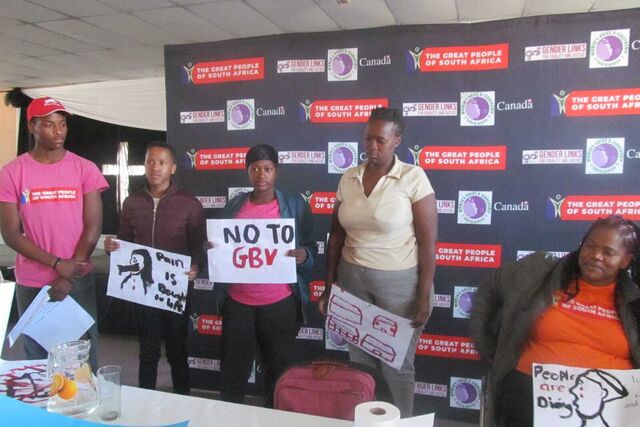
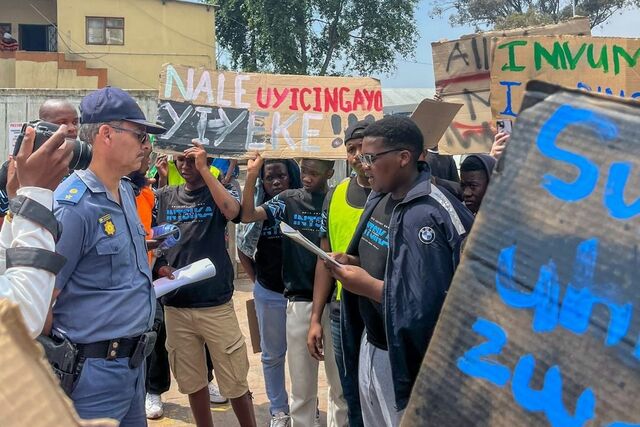
Launched during Human Rights Month, Living Our Rights was more than a commemorative initiative. It was a movement to equip marginalised communities with critical knowledge about their legal rights and the systems meant to protect them. For queer individuals, navigating the justice system often feels overwhelming—legal jargon, insensitive service providers, and slow implementation of protective laws create a maze of obstacles.
Through storytelling and community engagement, the campaign demystified legal processes and amplified voices that are too often silenced. It highlighted the intersection of legal exclusion, social stigma, and structural inequality, while advocating for reforms that make justice inclusive and accessible. Living Our Rights was not just an educational platform; it was a catalyst for systemic change.
The Change: Strengthening the Backbone
The Forum for the Empowerment of Women (FEW) has undergone a remarkable transformation. Strategic support from the RWVL grant and other funding streams enabled FEW to strengthen its organisational structure, revitalise governance, and expand its advocacy footprint.
This change was intentional and strategic. With guidance from Nomtriam’s organisational development support, FEW professionalised its internal systems, adopted best practices, and positioned itself as a thought leader in gender justice and LGBTIQA+ rights. The results speak volumes: six new donors secured within six months, formal partnerships with grassroots organisations such as Trans Hope, Gay Umbrella, Rainbow Seed, and Sisonke, and greater participation in national advocacy platforms.
Evidence of Impact
The ripple effects of this transformation are visible across multiple fronts:
- Revitalised Governance: A newly restructured Board actively guides strategy and oversight, ensuring accountability and sustainability.
- Expanded Partnerships: Collaborations with rural organisations have strengthened outreach and amplified advocacy efforts.
- Increased Funding: Six new donors in six months reflect FEW’s growing credibility and capacity.
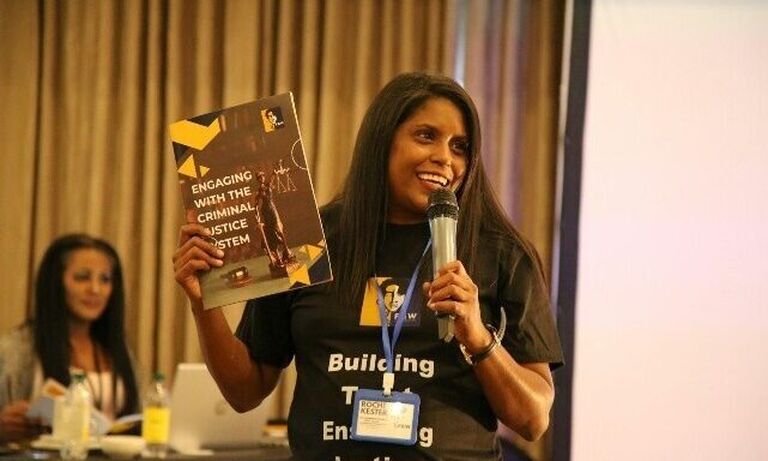
- Enhanced Programme Delivery: From hosting the LBQ Women’s Accountability Symposium to conducting GBVF and legal empowerment workshops in rural areas, FEW’s programmes now reach deeper and wider.
- Improved Systems: Adoption of cloud-based project management tools, upgraded finance systems, and updated HR policies signal a commitment to efficiency and transparency.
- Stronger Digital Presence: Social media campaigns like Living Our Rights have boosted visibility and sparked policy and media responses.
Voices of Change
The true measure of success lies in the voices of those directly impacted:
“I appreciate the session, especially with regards to case monitoring. In rural places, we are not aggressively exposed to most things, unlike the bigger cities…” — Kayise Mahlangu
“Living Our Rights gave us the confidence to speak up and demand what is ours by law.” — Activist
These testimonies underscore the campaign’s role in bridging the gap between rights on paper and rights in practice.
Sustainability and Next Steps
FEW’s journey is far from over. The organisation is committed to deepening its impact through continued advocacy, capacity-building, and partnerships. Plans include:
- Diversified Funding Base: With six new donor partnerships secured, FEW will continue cultivating these relationships while exploring multi-year, flexible funding opportunities.
- Strengthened Internal Systems: Updated HR policies, SOPs, and cloud-based project management tools will ensure operational efficiency and accountability.
- Embedded Wellness Culture: Ongoing psychosocial support for staff and stakeholders, coupled with partnerships like Queerwell, will sustain team wellbeing.
- Community and Movement Building: Continued collaboration with rural and grassroots partners will keep advocacy grounded and intersectional. FEW will deepen engagement with national and international networks to influence policy and share knowledge.
- Strategic Advocacy: Using tools like the LBQ Women’s Accountability Report, FEW will lead efforts to influence policy reform, especially around the Hate Crimes Act.
- Digital Amplification: Scaling campaigns to amplify LGBTIQA+ voices and engage new audiences.
FEW is committed to building a sustainable, inclusive, and impactful movement for gender and queer justice across South Africa and beyond.
Living Our Rights is more than a campaign. It is a testament to the power of strategic investment, grassroots mobilisation, and unwavering commitment to human rights. In a world where marginalised voices are often drowned out, FEW has created a platform that not only informs but transforms. It reminds us that rights are not abstract ideals; they are lived realities that require vigilance, advocacy, and collective action.
By: Relebogile Setshedi
Comments
Related Stories Of Change