South Africa: From Offline to Aware – Youth Learn to Navigate and Protect Their Digital Worlds

From Digital Divide to Digital Confidence
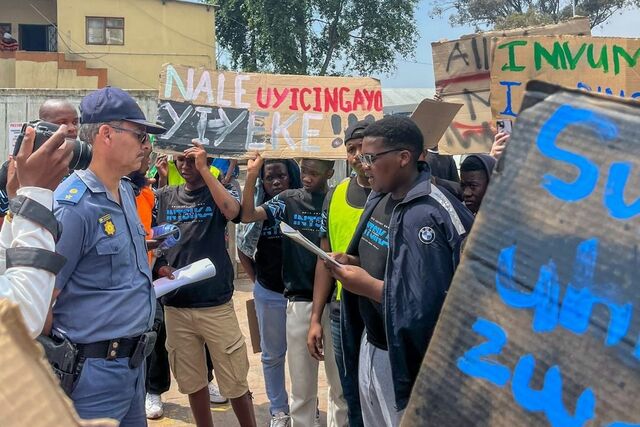
Across two Cape Town communities, Bridgetown and Nyanga, a quiet revolution is unfolding. At its heart is GRIT’s youth-led research programme, designed to tackle one of the most pressing issues of our time: tech-facilitated gender-based violence (TFGBV). But this story is about more than technology; it is about equity, empowerment, and the transformative power of inclusion.
When the programme began, the contrast between the two groups was stark. Bridgetown youth were confident smartphone users, familiar with social media and digital tools. Nyanga participants, on the other hand, faced systemic barriers: many had never owned a phone, let alone navigated the internet. Digital literacy was minimal, and the concept of TFGBV was entirely new.
This imbalance created feelings of insecurity and exclusion. While Bridgetown participants engaged easily, Nyanga youth struggled to keep pace, questioning whether they belonged in a tech-focused initiative.
GRIT’s response was clear and unwavering: No child would be left behind.
Bridging the Gap: A Tiered Approach
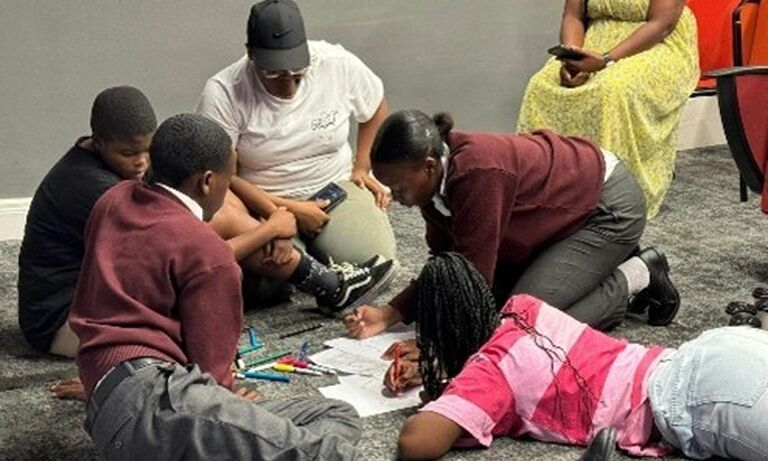
To level the playing field, GRIT provided each participant with a mobile device preloaded with the GRIT Safety App. Training began with the basics—how to switch on a smartphone, navigate WhatsApp safely—and gradually advanced to online research, TFGBV reporting, and responsible digital engagement. But GRIT recognised that empowerment goes beyond technology. Participants were receiving monthly stipends for their research work, often managing money independently for the first time. In communities where financial exploitation is common, this presented both opportunity and risk. So, GRIT embedded financial literacy into the programme. Through practical, youth-friendly sessions, participants learnt to budget, use mobile banking, save wisely, and protect themselves from cyber scams. These skills proved vital, equipping young people to navigate both digital and economic spaces with confidence.
The Change: Skills and Confidence
Before the programme, Nyanga youth had little to no experience with digital devices or financial management. Today, they are leading community surveys on TFGBV, conducting online research, and budgeting their stipends with confidence. This transformation was driven by intentional design and a trauma-informed, learner-centred approach. Facilitators adapted materials into plain language, offered one-on-one support, and encouraged peer mentorship—Bridgetown youth helping Nyanga participants. Safe spaces were created where “basic” questions could be asked without shame. By combining real-world financial skills with tech training, GRIT gave young people tools for advocacy and everyday life.
Quotes
Quote 1:
I didn’t even have my own personal phone—I shared one with my family. Now I have my own. I use it to collect stories, save my money and have a banking app, and even help others report abuse— Youth-Led Researcher
Quote 2:
Watching these young leaders grasp concepts like online budgeting and saving, and begin setting real financial goals, was powerful. Many had never had the opportunity to think about money in this way— Liana H., Financial Literacy Trainer
Quote 3:
I learnt a lot, even just from starting with the basics. I never really thought about where I spend my time, online or in real life, or if those places are safe. Now I know it’s important to protect myself online too— Youth-Led Researcher
Sustainability and Next Steps
The success of this initiative lies not only in the skills gained but, in the confidence, built and the clear message sent - everyone deserves access to the digital and economic tools that shape our futures.
GRIT is now integrating digital and financial literacy as standard components of all youth engagement projects. Plans are underway to adapt this combined curriculum into a toolkit for other underserved areas of South Africa. From offline to aware, these young leaders are proving that when inclusion is intentional, transformation follows.
By: Shamryn Brittan
Comments
Related Stories Of Change