Namibia: Dismantling Harmful social and cultural Narratives towards the LGBTI community

A community-rooted artivism initiative led by LBQ women across six Namibian towns is challenging harmful social and cultural narratives through poetry, film and dialogue. The project strengthened feminist leadership, encouraged empathy among families and communities, and opened paths for healing and long-term grassroots organising.
The Women’s Leadership Centre (WLC), through its Lesbian Empowerment Programme, worked across six towns in Namibia—Witvlei, Walvis Bay, Keetmanshoop, Windhoek, Tsumeb and Otjiwarongo—to address deep-rooted stigma and violence affecting LBQ women. These communities faced heightened hostility following backlash to the High Court ruling on the sodomy law, fuelled by religious, political and anti-rights groups.
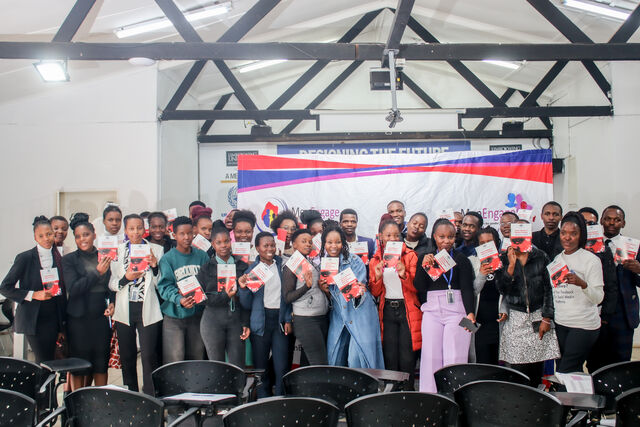
The project created safe spaces where LBQ women built confidence, feminist awareness and collective strength. Poetry, storytelling and facilitated discussions enabled women to speak openly about their lived realities, including experiences of exclusion, rejection and resilience. Film screenings of *Uno & Hatago* provided powerful entry points for conversations with parents, elders and community members, helping them reflect on stigma and its emotional impact.
Before this intervention, LBQ organising in Namibia was largely urban-based, leaving women in rural areas with limited support. Many participants had faced forced conversion practices, family rejection and prolonged isolation. Through this initiative, LBQ women became visible leaders within their communities, using art to spark dialogue and shift damaging narratives.
Between October 2025 and February 2026, LBQ groups were formed in all six towns, with about 90 participants supported by trained community facilitators. These groups became important platforms for advocacy, healing and mutual support. Families began engaging more constructively, and some parents created support groups to strengthen relationships with their children.
The project contributes to Namibia’s broader human rights goals by promoting public education and generating grassroots evidence of the challenges facing LBQ women. Through compassion-centred engagement, it helped counter polarisation and build understanding across generations.
Sustainability remains central to the initiative. Additional funding allows WLC to continue supporting safe spaces and producing educational materials such as *Supporting Our Lesbian Daughters* and updated empowerment resources. The LBQ groups are now prepared to collaborate with policymakers, researchers and civil society organisations as long-term grassroots partners.
Quotes:
Ivy BlaQ: I had an opportunity to show my mother that I am a poet. I performed a piece I wrote for her to say thank you. Thank you WLC for this amazing chance!
Boy: I invited my sister to watch Uno and Hatago and attend the community meeting. She now accepts me for who I am. I am so thankful for the discussions.
Adelheid Gurues: My son was chased out of the home over 20 years ago due to family pressure. I wish I had chosen him over fear. If I could see him again, I would tell him he is loved.