Capacity Building Initiative: HIV and AIDS Policies

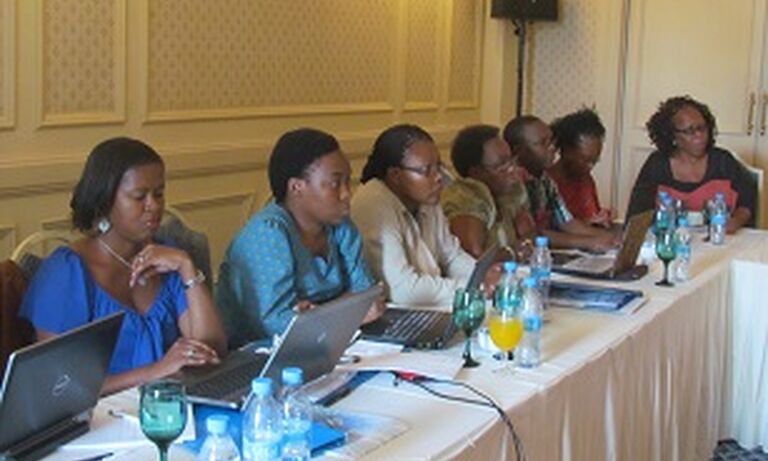
Regional Capacity Building Initiative: HIV and AIDS Policies More than three decades into the AIDS epidemic and SADC Member States continues to home a disproportionate share of the global burden. The gender dimension of the HIV epidemic is an undeniable fact with 53% of those living with HIV and AIDS are women. Transmission of HIV is mainly heterosexual and sexually active adults are mostly affected contributing to HIV vertical transmission from mother to child. The impact of the HIV epidemic is borne by all SADC member states, reversing the hard won development gains during the past years and hampering economic progress. The interconnectedness of the region and the similarities in the challenges countries face demand a common regional approach, hence various endorsed commitments are operationalized through the development of Regional Minimum Standards for HTC and PMTCT. The next step is to domesticate the above approved policies in order to provide clear strategies and standardized measures towards addressing HIV treatment, care and support. The Mauritius Institute of Health in collaboration with SADC Secretariat organized a Regional Training of Trainers(TOT) Course on Domestication of the Regional Minimum Standards for HIV Testing and Counseling (HTC) and Prevention of Mother to Child Transmission of HIV (PMTCT) at the Labourdonnais Hotel in Mauritius from 17 to 21 February 2014. The course was attended by forty one senior officials and trainers from eleven English speaking SADC Member States . The training programme and materials were prepared by the MIH, in consultation with SADC Secretariat and Technical Review Team for HIV&AIDS consisting of experts from the Member States, UNICEF and WHO .The training course was composed of five core units integrating gender issues. Topics included the gender dynamics of the HIV epidemic. A gap analysis of existing HIV & AIDS policies on HTC and PMTCT at the Member states was a pivotal exercise which was gender sensitive. The TOT provided a unique opportunity to disseminate other relevant frameworks such as Sexual and Reproductive Health Strategy for the SADC Region, SADC Gender Mainstreaming Guidelines for Communicable Diseases and frameworks for Prisons with a focus on women in prison. Updated knowledge on HIV and AIDS prevention, treatment, care and support focusing on gender was also shared. Participants developed country plans which included advocacy activities, domestication process and training at the national level taking into account the gender aspect as well as monitoring and evaluation. This capacity building initiative responds to the call made in Article 26 and 27 in the SADC Gender Protocol on HIV and AIDS; adopting gender sensitive policies to address prevention, treatment, care and support. This capacity building would translate into regional policy harmonization and domestication of the Regional Minimum Standards for HTC and PMTCT ultimately leading to uniformity and continuity of care across the region. Capacity building is a powerful tool that can lead to policy change, translating endorsed commitments into action. Targeting the right audience was a mandatory prerequisite, for example senior officials to carry the gender sensitive domestication agenda forward.