South Africa: A girl’s dignity is not worth R60 a year, it is priceless

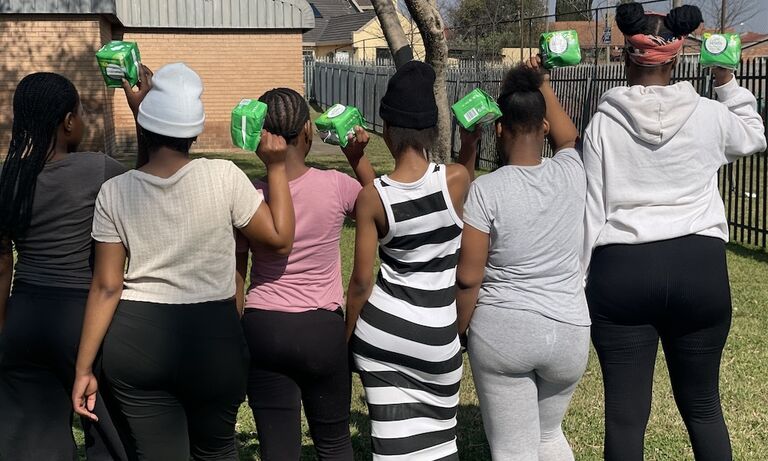
Certain statements about period poverty, while well-intentioned, reveal a deeper problem in how society views women and girls. One such statement is the claim that "a girl only needs R60 a year" for sanitary products. At first glance, it may appear to be an inspiring call to action designed to encourage donations and support for menstrual health programmes. However, when we look beyond the slogan, we are confronted with a far more uncomfortable question: Why are we placing a monetary value on a girl's dignity?
As a Women of the South Speak Out (WOSSO) Fellow and an advocate for eradicating menstrual poverty, I find this narrative deeply concerning. Not because menstrual products are unimportant, but because reducing a girl's menstrual needs to a single figure unintentionally diminishes the complexity of her experience and the significance of her dignity.
Beyond the R60 slogan
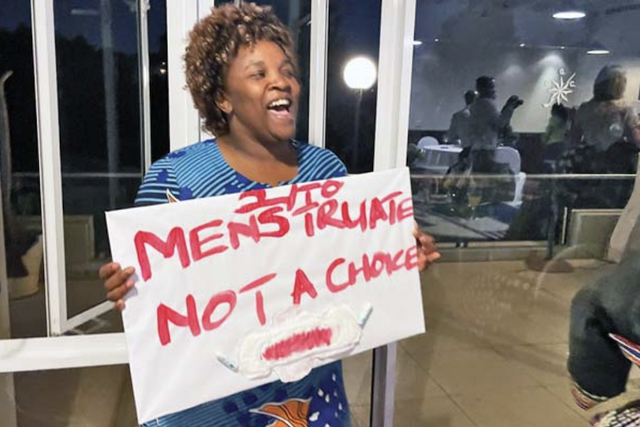
Menstruation is not a choice. It is a natural biological process experienced by millions of girls and women every month. Yet, despite being a normal part of life, it continues to be surrounded by stigma, inequality, and poverty. For many girls across South Africa, a period does not simply mean discomfort for a few days. It means anxiety about attending school without proper protection. It means fear of embarrassment. It means missing lessons, losing confidence, and being forced to navigate a challenge that should never stand in the way of their education or future opportunities.
Menstrual poverty is not merely the absence of sanitary products. It is the inability to manage menstruation safely, comfortably, and with dignity. It is the reality of girls staying home from school because they cannot afford pads, using unsafe alternatives because they have no other option, and carrying the burden of shame attached to a natural bodily function. When we reduce these realities to a single number, we risk overlooking the true scale of the problem and its impact on the lives of young women.
The statement also assumes that every girl's experience is the same. It assumes that menstruation is predictable, uniform, and uncomplicated. But every girl's body is different. Some experience heavy menstrual flows, severe pain, irregular cycles, or medical conditions that require additional care and support. Others face economic circumstances that make access to basic menstrual products impossible. Their experiences cannot and should not be reduced to a one-size-fits-all calculation.
From charity to guaranteed dignity
Instead of asking how little we can spend on girls, we should be asking why girls are still struggling to access basic menstrual products at all. Why are girls still missing school because of their periods? Why are sanitary products still treated as optional purchases rather than essential health necessities? Why do we continue to accept a reality where dignity depends on affordability?
For years, non-profit organisations, activists, schools, community leaders, and corporate partners have worked tirelessly to support girls facing these challenges. Their contributions have changed lives and opened doors for countless young women. Through donations, awareness campaigns, education programmes, and advocacy efforts, they have stepped into spaces where systems have often fallen short. Their work deserves recognition and appreciation. However, charity alone cannot solve a systemic problem.
The danger lies in normalising the idea that girls should depend on donations to meet a basic need. While charitable initiatives remain important, they are not a permanent solution. A girl's dignity should not depend on whether a campaign reaches its fundraising target, whether a sponsor chooses to contribute, or whether an organisation has funding available.
As a society, we recognise the importance of making other health-related products available, given their impact on public health and well-being. Yet menstrual products continue to be treated differently. Girls are expected to carry the financial burden of something they did not choose and cannot avoid. No girl chooses to menstruate, and no girl should be disadvantaged because she does.
Changing the language, changing the system
The language we use matters because words shape perceptions, perceptions influence policy, and policy changes lives. When we tell the public that a girl's dignity costs only R60 a year, we risk creating the impression that menstrual poverty is a small problem requiring a small solution. The reality is far more complex. Menstrual poverty is connected to broader issues of gender inequality, economic hardship, inadequate healthcare access, educational barriers, and persistent social stigma. It cannot be solved through a simple calculation.
If we are genuinely committed to empowering girls and advancing gender equality, we must shift the conversation entirely. We must stop asking how cheaply we can address menstrual poverty and start asking why it exists in the first place. That means building sustainable solutions, stronger policies, comprehensive menstrual health education, and consistent access to products that allow girls to manage their periods with confidence and dignity.
A future beyond affordability
Girls deserve more than survival. They deserve the freedom to attend school without fear, participate fully in society, and pursue their dreams without barriers created by poverty. They deserve comfort, confidence, respect, and equality. Most importantly, they deserve a society that values them not because of how little they cost to support, but because they are human beings whose dignity is non-negotiable.
The true measure of a society is not how efficiently it calculates costs. It is how fiercely it protects the dignity of its most vulnerable citizens. If we are serious about eradicating menstrual poverty and creating a future where every girl can thrive, we must reject any narrative that places a price tag on dignity. A girl's worth cannot be measured in rands and cents. Her humanity cannot be budgeted. Her future should never depend on affordability.
It is a fundamental human right that should never be measured in rands and cents.
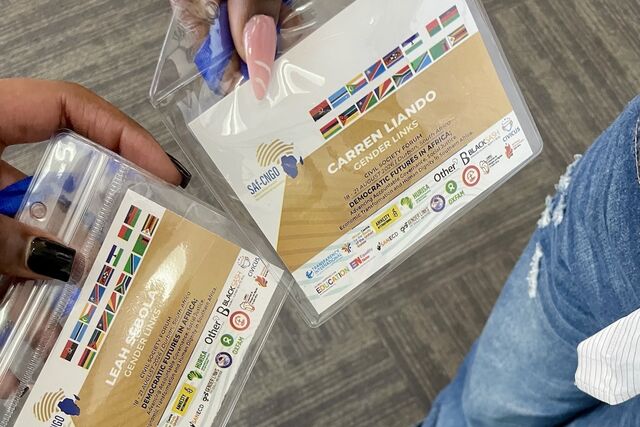
(Written by Carren Liando, a Women of the South Speak Out (WOSSO) Fellow and Advocate for the Eradication of Menstrual Poverty)
Comments
Related news