
Zimbabwe: Youth driven clean up campaign sparks civic pride in Mberengwa

Once‑clean spaces around schools, markets, and clinics were increasingly overwhelmed by rubbish, posing health risks and undermining community pride. For many residents, this decline felt gradual but irreversible. But for Junior Councillor Nicole Ngwenya, it was a call to action.
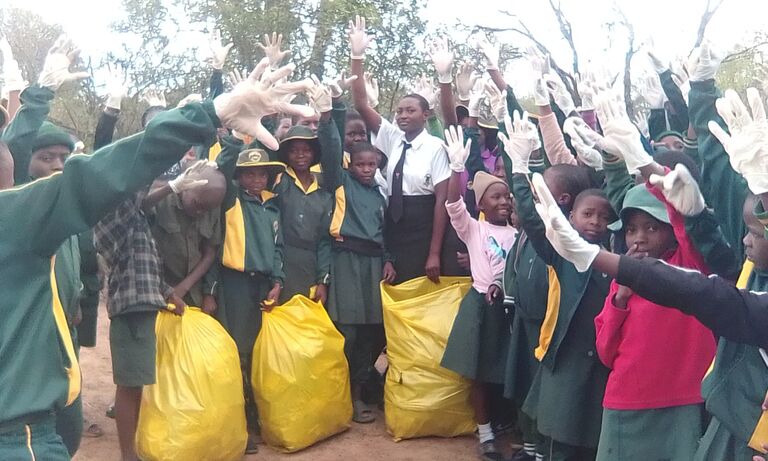
Nicole, a passionate young leader from Musume area, could not stand by while her community slipped into neglect. She had grown up seeing Musume’s strong sense of unity and dignity, and she believed that restoring the environment could help restore this spirit. Inspired by national clean‑up initiatives and her sense of civic duty, she mobilised students, teachers, youth clubs, and health staff from Musume Hospital to take a stand against environmental degradation.
This was more than a clean‑up—it was the beginning of a youth‑led movement aimed at reviving responsibility, pride, and environmental stewardship across Mberengwa. The campaign sought to raise awareness about proper waste disposal, promote healthier living conditions, and encourage young people to see themselves as custodians of their surroundings.
A Community Transformed
Before the initiative, waste management in Musume and surrounding areas was minimal. Public spaces were littered, drainage systems were blocked, and community participation in keeping the environment clean was low. The physical and emotional toll of living in these conditions was evident.
The clean‑up campaign changed this.
Under Nicole’s leadership, young people stepped forward where adults had grown weary. Students organised themselves into teams, teachers guided awareness sessions, and community members joined with renewed energy. With the support of the local authority—who provided gloves, refuse bags, and other resources—the clean‑up became a coordinated effort that united schools, families, and institutions.
The results were immediate and visible. Streets that had been clogged with waste were cleared. Marketplaces regained order. School grounds became safer and more inviting. Residents who had once walked past litter now joined the effort, picking up rubbish and discussing better waste disposal practices. Participation kept increasing, and with each clean‑up, the sense of achievement deepened.
Perhaps the most significant change was the shift in mindset. Young people, once passive observers of their environment’s deterioration, began seeing themselves as leaders capable of shaping a healthier community. The initiative strengthened relationships between the Junior Council and local authorities and positioned the youth as serious partners in sustainable development.
Public health improved as well. With fewer blocked drains and reduced waste, the risks of cholera, malaria, and waste‑related pests decreased. Families reported fewer odours around their homes, while vendors noted that customers felt more comfortable in cleaner trading spaces.
How the Change Happened
The transformation was driven by youth mobilisation, awareness campaigns, and strong partnerships. Nicole used her role as Junior Councillor to bring together students, teachers, community groups, and local authorities. Through school‑based messages, demonstrations, and peer‑to‑peer influence, information spread quickly.
As awareness grew, attitudes changed. Community members began to understand how their daily actions contributed to environmental degradation—and how small shifts in behaviour could reverse the damage. Clean‑up days soon became part of the local routine, with children and adults alike participating.
The collaboration with the Rural District Council (RDC) proved essential. Their support through the provision of tools and materials empowered the young volunteers and ensured the initiative was well‑resourced. What began as one clean‑up quickly expanded into an ongoing collective effort.
Sustaining and Scaling the Change
The momentum created by the campaign is expected to continue. Schools have incorporated weekly cleaning routines into their hygiene programmes, and clean‑up activities are now recognised as a shared responsibility. With increased environmental awareness, many residents have pledged to maintain cleanliness between campaigns.
The initiative also aligns with Section 76 of the Constitution of Zimbabwe, which guarantees the right to health. A cleaner environment reduces disease risks and promotes the dignity and well‑being of every citizen. This connection between environmental care and human rights has deepened community commitment.
Scaling up is already underway. More junior councillors are adopting similar approaches in their wards. Strengthening partnerships with the RDC, the Environmental Management Agency (EMA), local businesses, and NGOs is expected to ensure resources such as gloves, bins, and transport remain available—even in schools lacking capacity.
With visible results and growing pride, Mberengwa is well on its way to building a culture where clean‑up initiatives become a sustainable, community‑owned practice.
Evidence of Change
The impact is clear:
- Visible environmental improvements: Waste piles cleared, cleaner school grounds, and restored public spaces.
- Positive community feedback: Leaders and residents requested more campaigns; vendors noted improved customer comfort.
- Rising participation levels: More volunteers joined than expected; people now use refuse bins more consistently.
- Better health and sanitation: Health workers recorded fewer complaints of odours and pests; schools introduced structured weekly cleaning routines.
By: Nicole Ngwenya
Comments
Related Drivers Of Change