Zimbabwe: Young advocates breaking barriers and championing gender equality for all

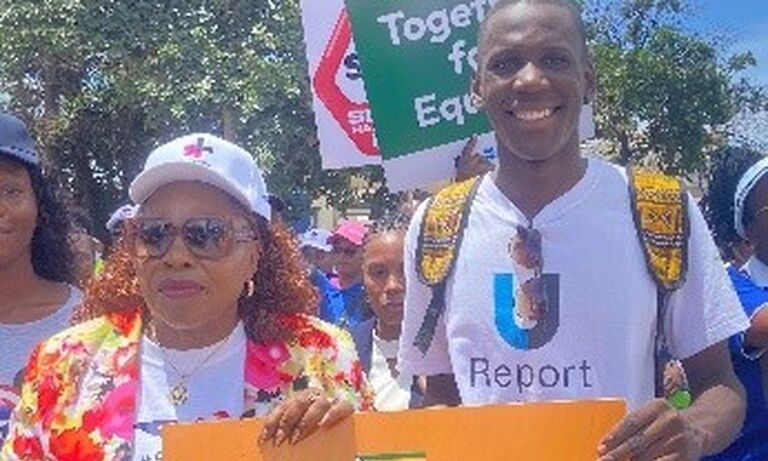
In the bustling town of Chitungwiza, where thousands of young people navigate social pressures, expectations, and inequalities, a powerful youth‑led movement has taken shape. At the centre of it is Denzel Whata, a 19‑year‑old who served as Junior Mayor of Chitungwiza from 2023 to 2024, and who has become one of the most compelling young voices for gender equity in Zimbabwe. Denzel’s advocacy extends beyond speeches and public events; it is grounded in everyday action, personal reflection, and a commitment to make gender equality meaningful and accessible to all young people, not just girls, not just able-bodied youth, and not just those already empowered. His work challenges the traditional narrative that gender equality is a girls‑only issue, insisting instead that equity means meeting people where they are, according to what they need.
Working with organisations such as SRHR Africa Trust, UNICEF, Zimbabwe Youth Council, SAYWHAT and others, Denzel has become a youth advisor, advocate and catalyst for inclusion. His mission: ensuring that every intervention targeting young people recognises the different barriers faced by boys, girls, and young people with disabilities. He discovered early in his journey that the fight for gender equality must begin at home—with one’s own behaviours, attitudes, habits, and mindset. “You cannot give what you do not have,” he says, recalling how personal transformation strengthened his leadership, academics, and advocacy.
A Shift Young People Could Feel
The first life transformed through the work was Denzel’s own. As he grew in understanding and empathy, he became more deliberate in how he treated others—family, peers, teammates, and classmates. This personal growth became the foundation on which wider community change was built. From there, the initiative began to spread like wildfire.
By creating safe spaces for dialogues, Denzel and his carefully built team of like‑minded youth managed to reach young people who had long been excluded from empowerment programmes. Boys who once believed that gender equality had nothing to do with them began to understand their roles. Girls who felt that every programme was “for them only” started to embrace equity, not entitlement. Young people with disabilities, often sidelined, finally had opportunities to voice their experiences, needs, and ideas.
The results were profound:
- Youth began accessing services with more confidence.
- Young people became less vulnerable to exploitation, coercion and abuse.
- Many developed self-worth and agency, shifting behaviours positively.
- More youths came forward asking how they could become advocates.
- Mixed‑gender teamwork increased in schools, sports, and community activities.
Young people who previously only watched from the sidelines started stepping into leadership roles. The initiative not only changed individuals—it helped them want to change others.
NGOs also benefited. Denzel’s equity‑focused approach made their programmes more relatable, inclusive and effective, closing the gap between policy and lived experience.
How the Change Happened
The transformation was guided by strategy, collaboration and youth energy. The process involved:
1. Building a Team
Denzel began by bringing together peers who shared his passion for equality. These young people formed the backbone of the movement.
2. Identifying the Real Needs
The team mapped out the gaps and decided to focus on young people often neglected by mainstream programmes—boys, youth with disabilities, and other marginalised groups.
3. Dialogues, Focus Groups, and Community Conversations
They visited communities, schools, and youth hubs to:
- listen to lived experiences
- collect views
- share information on rights and responsibilities
- connect youth to relevant programmes
4. Taking Findings to Decision‑Makers
They presented their findings to:
- Members of Parliament
- Councillors
- Civil society leaders
- Community elders
This ensured that youth voices influenced real decision‑making.
5. Observing Behavioural Shifts
Change became clear as more young people began sharing opportunities, forming diverse study groups and working together, even those once biased or misinformed.
Where boys once believed they were superior to girls, and girls believed empowerment was only theirs by default, there was now a growing sense of shared responsibility and mutual respect.
Sustaining and Scaling Up the Change
To ensure longevity, the movement is expanding through:
1. Recruiting More Young Champions
Many young people have shown interest in joining the cause, ensuring a vibrant, growing task force.
2. “Nothing for Us Without Us”
Marginalised youth are now central to the initiative, shaping content, messaging and strategies.
3. Collaborative Youth Networks
Partnerships are being built with:
- Junior Parliament
- Junior Councils
- Youth advocates across Zimbabwe
This creates a national momentum for gender equity.
4. Formalising the Initiative
The team is building a formal organisational structure to gain official recognition and easier access to resources.
5. Engaging High‑Influence Allies
Plans are underway to bring on board:
- Government officials
- Social media influencers
- Community leaders
This will expand visibility and attract additional support.
Evidence of Change
The evidence lies in:
- hundreds of photos from dialogues, campaigns, school visits and meetings
- testimonies from young people who now embrace equity
- improved community cohesion
- increased inclusion of youth with disabilities
- noticeable behaviour changes among boys and girls
- more youth stepping forward as advocates
- a visible shift in attitudes during community engagements
These photos, lives, and voices are living proof that the work is not just happening, it is transforming.
Quotes
Leo Tolstoy - Everyone thinks of changing the world, but no one thinks of changing himself.
Steve Jobs - The people who are crazy enough to think they can change the world are the ones who do.
Wayne Dyer - You cannot give what you do not have.
By: Denzel Whata
Comments
Related Drivers Of Change