Zimbabwe: Women’s and youth economic empowerment amplified at local level in Ruwa

Recognising that sustainable development is rooted in empowered communities, I committed myself to driving a transformative agenda that would restore dignity, hope, and economic participation. I began mobilising skilled trainers, microfinance institutions, community leaders, and development‑oriented partners to support practical skills development for women and youth. These included baking, detergent making, poultry production, waste recycling, financial literacy, beauty therapy, bricklaying, welding, housekeeping, and more. The initiative intentionally included both women and young men to ensure that no one was left behind.
What makes this initiative unique is its inclusive, community‑owned approach. It brings together residents, churches, youth groups, local businesses, and social partners to collectively create opportunities. In doing so, it promotes gender equality, economic resilience, and social cohesion. Today, the project stands as a growing model of sustainable, localised empowerment — driven by the community, for the community.
A Visible Shift: From Dependency to Self‑Sufficiency
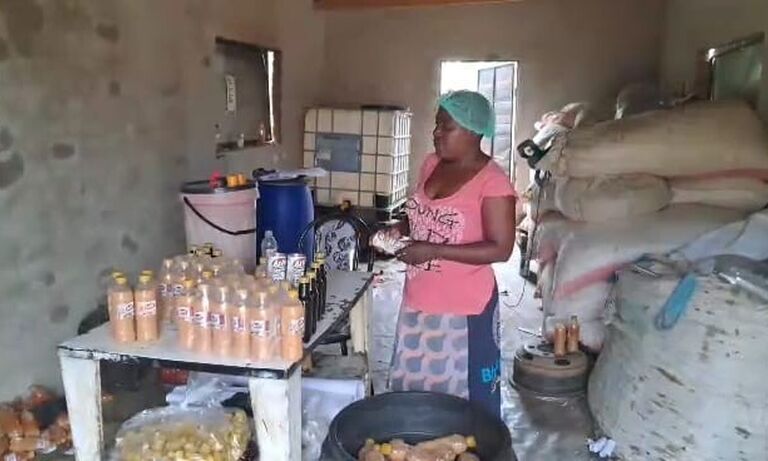
The change that has unfolded in Ward 7 is profound. Since 2023, more than 300 women and youth have completed training in diverse income‑generating skills. Many have launched small enterprises producing bread, detergents, natural fruit products such as tamarind and baobab drinks, poultry products, and home‑made goods now sold in local and nearby markets. Saving clubs have taken root, with members pooling resources and supporting each other’s enterprises.
These shifts have strengthened household incomes and improved overall wellbeing. Families are now better able to support children’s nutrition and education. Youth who were once idle now participate in meaningful projects and sports programmes that harness their talents and energy. School dropout rates in the ward have dropped significantly — today, every school‑age child is enrolled in school. Drug and substance abuse cases have also declined as young people turn to entrepreneurship, mentorship, and sports as healthier life pathways.
The ripple effect extends beyond economics. The initiative has restored hope, reinforced community pride, and inspired neighbouring wards to adopt similar empowerment models. Ward 7 has become a living testimony of what can happen when grassroots leadership and community commitment come together.
How the Transformation Began
This journey started with deliberate consultation. I convened meetings with local leaders, churches, schools, youth representatives, and community influencers to understand the root causes of poverty, unemployment, and social distress. Together, we mapped out solutions that were practical, inclusive, and responsive to local needs.
We partnered with various organisations to deliver hands‑on workshops. These included:
- Tonganyika Trust – hospitality, beauty therapy, caregiving, housekeeping
- My Friend Support Group Zimbabwe – detergent making, graphic design
- Gain Farmers – poultry production
- Mashingaidze Recycling Company – waste separation and recycling
- Seventh‑day Adventist Church Zimbabwe – health expos offering services by doctors, nurses, and nutritionists
- ADAT (Africa Development Alliance Trust) – financial literacy and access to loans
- Local police and safety committees – drug and substance abuse awareness
- Youth sports tournaments – encouraging discipline and recreation through Councillor Humbato’s community sports programmes
To ensure long‑term success, we integrated modules on marketing, bookkeeping, and project management. The Ruwa Local Board provided venues and logistical support, while local sponsors contributed materials and start‑up kits.
Before this initiative, many women survived through informal vending and most youths were idle, frustrated, and exposed to harmful behaviours. Today, Ward 7 is a vibrant community with thriving home‑based businesses, active youth clubs, and stronger social cohesion.
Sustaining and Scaling the Movement
What ensures the longevity of this programme is the growing sense of ownership among community members. Trained participants are now forming cooperatives, sharing resources, and exploring larger markets. Through these groups, many are preparing to access microloans from institutions such as ADAT. Plans are underway to increase partnerships, strengthen financing options, and expand community awareness campaigns.
A mentorship model has also been established where successful participants train newcomers, ensuring continuous skills transfer. The Ruwa Local Board is incorporating the empowerment programme into its development agenda, guaranteeing policy and budgetary support.
Looking forward, the goal is to replicate this model in neighbouring wards and expand into new skills areas including tailoring, gardening, and solar energy installation. These interventions specifically target women and unemployed youth, ensuring that the empowerment journey continues to grow.
Evidence of Impact
Both quantitative and qualitative evidence demonstrate the significant change taking place. Participation registers confirm that over 300 women and youth have been trained in income‑generating skills. Surveys show that more than 70% are now running small‑scale businesses. Local markets feature their products — bread, detergents, natural fruit products, and washing powder — many now recognised under emerging local brands.
Community safety committees have recorded a decline in youth‑related crime and drug incidents. Schools have reported improved attendance and performance due to parents’ improved ability to pay school fees consistently. Photos, videos, and local media stories continue to document this transformation, strengthening community trust in local leadership.
Ward 7 now stands as a powerful example of grassroots‑driven development — demonstrating that when communities are empowered, they are capable of building a future defined by dignity, opportunity, and shared progress.
By: Councillor Charles Humbato
Comments
Related Drivers Of Change