
Zimbabwe: Using technology to empower youth leadership in Umguza

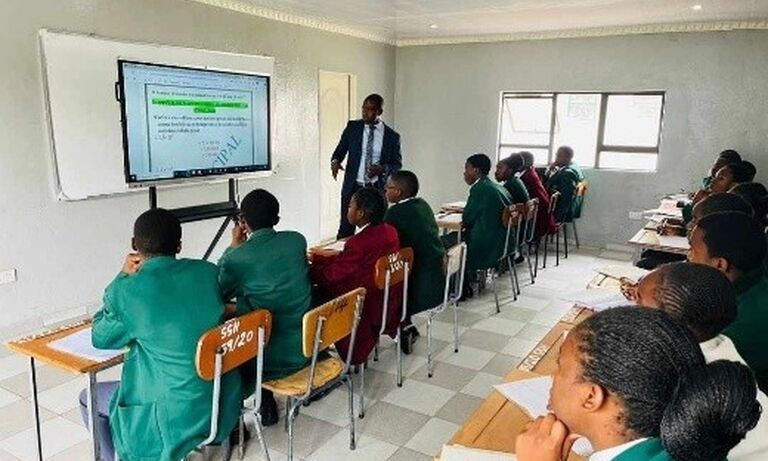
In the rural landscape of Umguza in Matabeleland North, a quiet revolution is taking place, led not by adults or well‑resourced institutions, but by young people themselves. At the centre of this transformation is Tinotenda Matendere, a Junior Councillor who has made it his mission to change how youth in rural communities understand and use technology. Growing up in Umguza, Tinotenda saw firsthand that many young people possessed potential, creativity, and ambition, yet lacked access to digital tools, mentorship, or information that could help them grow. For most, technology was something associated with entertainment, social media, or passing time. Few realised its power as a tool for learning, leadership, communication, and social change.
Determined to challenge this pattern, Tinotenda began introducing his peers to the idea that technology is not just for play, it is a gateway to education, self‑expression, and community development. He encouraged students to use their phones, tablets, and online platforms to learn new skills, research leadership topics, and develop ideas addressing gender equality, climate change, youth empowerment, and education.
He initiated digital learning sessions, demonstrated free online tools, and facilitated discussions with fellow Junior Councillors on how technology could improve communication, planning, and outreach. Despite limited digital resources in rural areas, the initiative grew into a grassroots movement, youth teaching youth, sharing knowledge, and using technology to drive meaningful change.
The Change
The transformation has been remarkable and encouraging. Young people in schools and communities are now viewing technology in a completely new light. Instead of using devices solely for music or chatting, many now rely on them to research schoolwork, create posters, access online educational videos, and engage in discussions on social issues. Students who previously struggled to access information now use online learning platforms for revision, leadership content, and personal development. As a result, confidence levels have grown: learners volunteer more in class, demonstrate stronger presentation skills, and participate actively in leadership conversations.
The Junior Council, in particular, has undergone a digital shift. Members now use technology for planning meetings, tracking progress, and monitoring projects. WhatsApp groups, Google tools, and shared documents have strengthened coordination, transparency, and collaboration.
Teachers and community leaders have noticed the difference. They now encourage other schools to adopt similar digital practices, praising the improved organisation, assertiveness, and creativity among learners. The most profound change, however, has been the shift in mindset. Technology is no longer viewed as a distraction but as a pathway to leadership, innovation, and community impact. This new perception has empowered a generation of rural youth who are not only digitally aware but ready to use their skills for positive community development.
How the Change Came About
The change began slowly but grew steadily through demonstration, curiosity, and peer‑to‑peer learning. Tinotenda started by having conversations with friends about using technology responsibly and productively. He introduced simple digital tools that could support their learning, from poster‑design apps to online research platforms. Only a few students were interested at first, but once others saw the benefits, interest increased rapidly. Small groups formed where students shared digital resources, discussed community issues, and encouraged each other to learn new digital skills.
The Junior Council embraced digital planning tools, and soon other learners began doing the same. Awareness campaigns, study sessions, school presentations, and leadership meetings increasingly incorporated technology. What had previously been dismissed as unhelpful suddenly became a vehicle for empowerment. Students used digital tools to organise activities, express ideas, create awareness materials, and improve academic performance. Teachers noted improved learning outcomes and greater student engagement.
The community began to see technology through a new lens, as something capable of connecting, educating, and uplifting young people, even in rural Zimbabwe. This transformation was driven by collaboration, curiosity, and the belief that technology can unlock opportunities even when resources are limited.
How the Change Will Be Sustained and Scaled Up
To sustain this momentum, Tinotenda plans to establish Digital Empowerment Clubs in schools across Umguza. These clubs will help students learn digital skills, strengthen leadership abilities, and promote online learning. They will also provide safe spaces for youth to exchange knowledge, troubleshoot challenges, and support each other’s development.
The Junior Councillors will continue using digital platforms for communication, planning, and reporting. This ensures digital literacy becomes a normal part of youth leadership structures.
Collaboration will be key to expansion. Tinotenda hopes to work closely with teachers, Umguza Rural District Council, NGOs such as Gender Links, and community leaders to host workshops, mentorship programmes, and awareness sessions.
Efforts will also focus on connecting with Junior Councils in other districts through virtual learning exchanges. This opens the door for rural youth across Zimbabwe to learn together, share digital skills, and build a national movement of tech‑enabled young leaders. The long‑term goal is to create a generation of rural youth who are confident, digitally skilled, and able to use technology for education, leadership, and sustainable development.
Evidence of Change
The evidence of transformation is clear and growing:
- Students now use digital tools for research, note‑taking, and presentation preparation.
- WhatsApp groups and online platforms facilitate communication across classes and clubs.
- Teachers have reported improved confidence, presentation skills, and academic engagement.
- Parents and local authorities have expressed pride in the youth’s responsible use of technology.
- Students are requesting more digital learning sessions and are advocating for Digital Empowerment Clubs.
Technology is no longer seen as a distraction, it has become a tool for leadership, knowledge, and community upliftment.
Voices of Change
Students now prepare lessons and presentations using online research. The improvement is visible — Ma’am Muganyi
I now use my phone to learn and design posters. It’s made me more confident in class — Tanatswa Matendere
Technology helped me discover new skills I didn’t know I had — Akoline Mukwenha
By: Tinotenda Matendere
Comments
Related Drivers Of Change