Zimbabwe: Transforming lives and advancing young women’s leadership

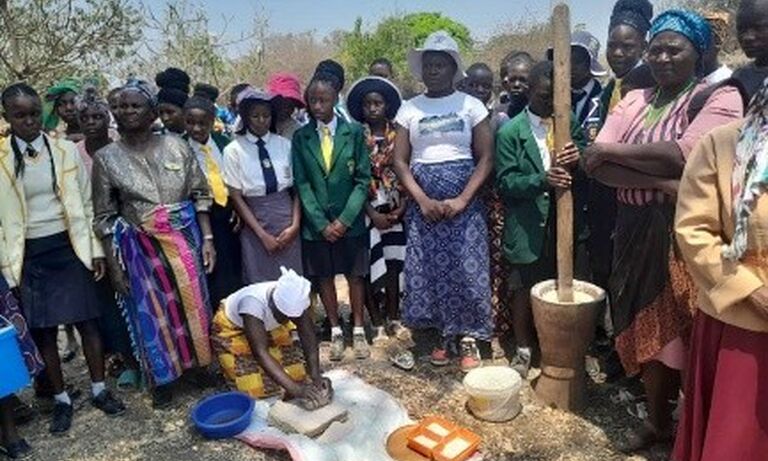
In Chitungwiza, Zimbabwe, young women’s voices have long been absent from the places where decisions about their lives are made. For many girls, leadership opportunities were out of reach, and civic spaces felt distant and unwelcoming. Gender‑based violence remained a persistent threat, and a lack of accurate information on sexual and reproductive health and rights (SRHR) limited girls’ ability to make informed choices. It is against this backdrop that the Chitungwiza Junior Council, a youth‑led platform, began its transformative work.
My name is Nyasha Kwaramba, and I serve as the Junior Town Clerk for the Chitungwiza Junior Council. From the beginning, our mission has been clear: to create gender‑responsive, youth‑led spaces where girls and young women can lead confidently, access critical information, and directly influence the governance processes that shape their futures. We do not just want girls present. We want their experiences, insights, and leadership at the centre of community decision-making.
Opening Doors That Were Once Closed
One of the most powerful shifts we have seen is the inclusion of girls in formal governance spaces such as local budget hearings. Before our interventions, these platforms were dominated by adults, mostly men, who made decisions on behalf of young people without their input. Girls, in particular, were almost never seen or heard in these spaces.
For the first time, with our support and advocacy, girls attended and actively participated in the most recent budget hearing. They spoke openly about their concerns, access to education, better health services, protection from gender-based violence, and the need for youth-friendly SRHR information. Their participation was not symbolic; it was impactful. Local leaders heard directly from the young women whose lives are shaped by the policies being developed. Their contributions helped highlight issues long overlooked, and in doing so, shifted perceptions within the community about the value of girls’ leadership. As one participant, Tanaka, expressed: “Before, I never thought my voice mattered in meetings, but now I stand up and share my ideas at the council sessions. It feels amazing to know that people listen and care about what we say.”
How This Change Happened
The transformation in Chitungwiza did not happen overnight. It grew through consistent engagement, leadership development, and the creation of safe, nurturing spaces for girls.
We implemented targeted leadership trainings designed not only to equip girls with practical skills but also to build their confidence. Many young women who once hesitated to speak in public began stepping into leadership roles because they finally felt supported and prepared.
We also established safe spaces, physical and emotional environments where girls can learn, express themselves freely, and access guidance from peers and mentors. These spaces became hubs of empowerment, enabling girls to reflect, grow, and find solidarity. Our mentorship programmes paired young women with supportive leaders who walked with them through challenges, helped them navigate tough decisions, and encouraged them to push past internal and external barriers.
Alongside these efforts, we continuously advocated for gender-responsive policies within local governance structures. We engaged community leaders, ensuring they recognised and began responding to the needs of girls and young women. This combination of empowerment and advocacy created a fertile environment for meaningful and sustainable change. A senior councillor affirmed this shift: “We have witnessed a remarkable transformation in young women's participation in governance. Their active involvement in budget hearings reflects a real shift in how our community values gender equality and inclusion.”
Ensuring the Change Lasts
Sustaining this progress requires commitment and continued investment in young women’s leadership. Our plan focuses on three key pillars:
1. Ongoing Leadership Training and Mentorship
We will continue offering structured programmes that help girls build the skills, knowledge, and confidence they need to lead effectively.
2. Strengthening Partnerships
By collaborating with local authorities, community leaders, and civil society organisations, we aim to institutionalise gender-responsive approaches within local governance systems.
3. Scaling Safe Spaces
We plan to expand our safe‑spaces initiative to more communities, ensuring that girls beyond Chitungwiza can access supportive environments where they can develop, organise, and advocate for their rights.
For many families, the impact has been clear. One parent shared:
“At first, I was hesitant, but seeing my daughter gain confidence and take on leadership roles has changed my perspective completely. Now, I fully support programmes that empower our girls because the benefits are clear.”
Evidence of Transformation
The impact of our work is visible across the community:
- Girls are now actively participating in council meetings and budget hearings.
- Community members increasingly recognise and support girls’ leadership.
- More young women are enrolling in leadership training and mentorship programmes.
- Policies addressing GBV, education access, and SRHR have been initiated or revised.
- Participants report improved confidence, knowledge, and ability to advocate for themselves.
These indicators affirm that the transformation is not temporary—it is rooted, expanding, and gaining strength.
By: Nyasha Kwaramba
Comments
Related Drivers Of Change