Zimbabwe: Holistic approaches to women’s empowerment in Masvingo city

As a councillor in Masvingo City, I carry the responsibility of ensuring that all residents benefit from effective, people‑centred service delivery. Masvingo City Council, a public institution operating on a cost‑recovery basis, exists to support the growth, dignity, and well‑being of all its citizens. In recent years, climate change, economic hardship, and social challenges have weighed heavily on the city—particularly for vulnerable groups such as women, youth, and persons with disabilities. These pressures demanded a holistic, community‑driven response.
Our work as a council has focused on a set of broad yet interconnected objectives:
- strengthening decent and affordable housing,
- responding to drug and substance abuse,
- improving health outcomes,
- enhancing social wellness,
- ensuring clean and reliable service delivery,
- supporting small‑ to medium‑scale entrepreneurs,
- promoting environmental sustainability, and
- prioritising inclusion of vulnerable groups in local development plans.
The commitment to approach empowerment holistically has resulted in significant, visible, and measurable change across the city.
Transforming Lives Through Community‑Centred Interventions
1. Decent and Affordable Housing
One of the most impactful initiatives has been the home ownership scheme for long‑term council tenants. Residents who had lived in council houses for more than 20 years were offered the chance to purchase their homes at affordable rates. Importantly, the programme made special provision for vulnerable groups—women, youth, and persons with disabilities—who often face exclusion in housing markets.
For many, this was not simply a transaction; it was the security of a permanent home, the fulfilment of a lifelong dream, and the foundation for future generations. As one beneficiary, Mai Chikombe, a woman living with a disability, shared:
“We want to thank the council for giving us, persons with disabilities, the chance to buy the homes we have lived in for so many years. We have been here since 1999, always paying our rent. I was worried about what I would leave for my children, and now I have peace.”
2. Fighting Drug and Substance Abuse
Drug and substance abuse had become a growing threat in Masvingo, especially among young people. Council launched intensive awareness campaigns, contributed financially to the provincial rehabilitation centre, and mobilised communities to support affected youth. These efforts have helped shift attitudes, reduce stigma, and revive youth participation in sports and other healthy alternatives.
3. Health, Wellness, and Clean Environments
New infections of sexually transmitted diseases have dropped, partly due to expanded health awareness campaigns. Additionally, emphasising proper waste disposal and bin usage has created cleaner surroundings and strengthened public health outcomes.
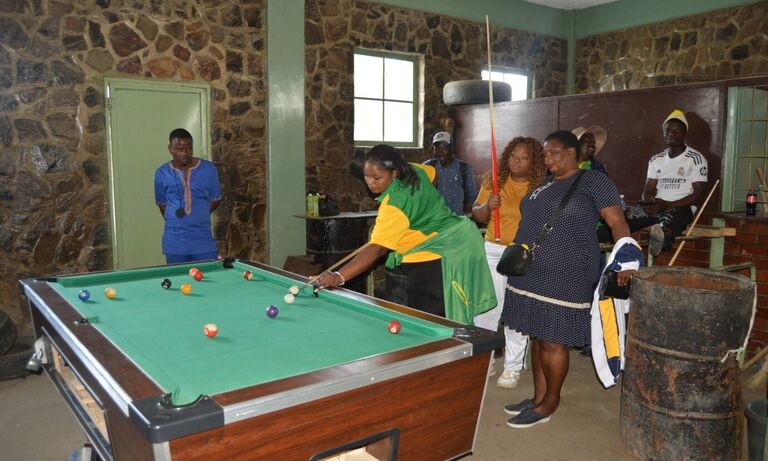
Council employees have also benefited from improved internal wellness programmes. A culture of sportsmanship has taken root, reducing cases of on‑duty alcohol misuse and resulting in successful participation in the national Urban Councils Games held in Mutare. These wellness improvements have strengthened morale and contributed to better service delivery.
4. Improved Service Delivery
Infrastructure limitations once left residents receiving only three hours of water per day. Through targeted resource allocation and improved departmental coordination, supply has increased to ten hours daily—a significant improvement, though work continues toward full reliability. Garbage collection has also become more consistent, contributing to a cleaner and safer environment.
5. Economic Empowerment and Small Enterprises
Council has actively encouraged residents to initiate income‑generating projects and has facilitated partnerships for skills development. A notable example is a flower‑production initiative run by community members with support from Gender Links. This pilot project has grown successfully and stands as proof that community‑driven entrepreneurship can thrive with the right support.
How the Change Happened
These changes stem from a combination of deliberate strategies:
- inclusive budget planning and gender‑responsive budgeting,
- sustained awareness campaigns,
- mobilisation of community volunteers,
- collaboration with stakeholders such as Gender Links,
- investment in employee wellness, and
- commitment to transparency and accountability.
Evidence collected through memos, statistics, departmental reports, and programme records demonstrates clear progress. The home ownership scheme is ongoing, wellness programmes are now institutionalised, and income‑generation initiatives continue to expand.
Sustaining and Scaling Up the Change
For transformation to endure, it must be supported both politically and financially. The council aims to:
- strengthen gender‑responsive budgeting to ensure equitable resource allocation,
- maintain continuous awareness and educational campaigns,
- replicate successful income‑generation projects across the city,
- build youth hubs in schools and communities,
- expand entrepreneurship support programmes,
- promote cultural revival initiatives such as culture week to strengthen identity and counter harmful imported behaviours,
- maintain strong monitoring and evaluation systems, and
- reduce political polarisation to ensure development remains at the centre.
Ultimately, sustaining this change will require collaboration—between council, civil society, residents, and national stakeholders. What began as a series of targeted interventions has grown into a city‑wide movement towards empowerment, dignity, and inclusive development.
By: Sheron Marombedze
Comments
Related Drivers Of Change