
Zimbabwe: Helping hand

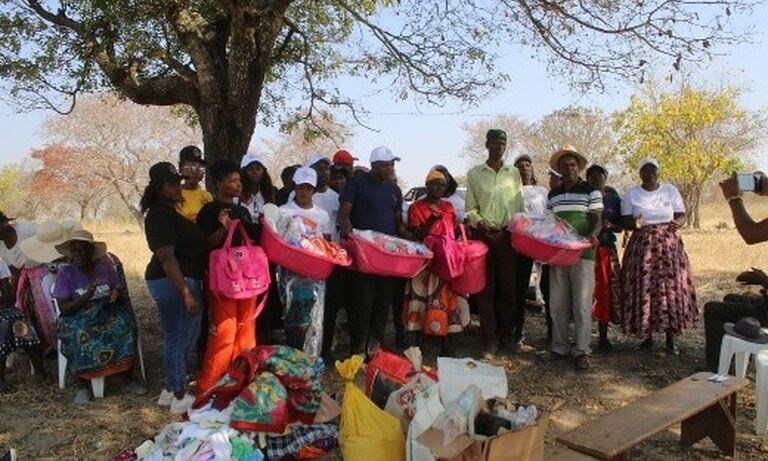
When a young family in Chikomba District prepared for the arrival of a single baby and instead welcomed triplets, joy quickly mixed with fear. Food was scarce. Clothes were few. The small dwelling they called home was suddenly too fragile for three infants and two overwhelmed parents. It is here that Councillor Florence Juru, a Gender Champion, stepped in, not with grand promises, but with the conviction that communities, when mobilised with empathy and purpose, can change the trajectory of a life.
Florence’s work is grounded in a simple principle: no one should be left behind. In her role as a councillor and Gender Champion, she advocates for gender equality, social inclusion, and practical, people-centred leadership. She identifies vulnerability, convenes stakeholders, and mobilises action, especially for women, children, and persons with disabilities. Her leadership is not about titles; it is about building a culture of responsibility and care.
Word of the family’s situation travelled through the ward, this time not as gossip, but as a call to action. Florence rallied community members, well-wishers, local leaders, and partners. Donations of food, baby clothes, nappies, and basic supplies came first. Then, something extraordinary happened: a good Samaritan volunteered to build a proper home for the family. What began as emergency relief became a foundation for dignity, safety, and hope.
The change was immediate and tangible. The triplets were clothed and nourished. Their parents, once stretched beyond breaking point, felt the weight lift. The new house brought security against harsh weather and a chance for the children to grow in a stable environment. What also shifted, quietly but powerfully, was the community’s understanding of its own agency. This was not charity; it was solidarity.
We no longer worry about where our children will sleep or what they will eat. Our lives have completely changed thanks to the support we received — Dune Family
This story is not just about one family. It is about what gender-responsive leadership looks like at the local level. It shows how a woman leader can inspire collective action, transform a crisis into a coordinated response, and strengthen social cohesion. The primary beneficiaries were the parents and their triplets. The secondary beneficiaries were the neighbours who saw, perhaps for the first time, the impact of unity, compassion, and shared responsibility.
Seeing our community come together to help this family has shown us the power of unity and compassion. We are inspired to support others in need — Community Member
Evidence of this change is visible and verifiable. The house stands as a marker of renewed safety. Supplies were gathered and distributed; photographs and receipts trace that journey. Health workers can attest that the triplets are now healthier and better nourished. Testimonies from the family and community members affirm not only improved material wellbeing, but also the restoration of confidence, dignity, and belonging.
Crucially, Florence and the community have moved beyond a one-off intervention to a sustainable, locally-owned model. They formed Vhayeya, a group within the Chikomba East constituency dedicated to supporting vulnerable, disadvantaged, and disabled community members. This platform helps identify households in need, mobilise resources swiftly, and maintain follow-up support. Parallel to this, Florence is advocating for gender-responsive budgeting and inclusive policies at council level, so that support is institutionalised rather than episodic.
Partnerships are part of the plan. Collaborations with local NGOs, faith-based organisations, and private sector actors can help replicate this approach across neighbouring wards. Awareness campaigns on gender equality, social inclusion, and care for vulnerable households can widen the circle of responsibility. Documenting what worked, like in this story, builds a record for learning and for mobilising further support.
Through mobilising resources and engaging the community, we have turned a desperate situation into hope and stability for this family. This is what gender-responsive leadership can achieve — Florence Juru
In the end, Zimbabwe: Helping Hand is more than a headline. It is a living demonstration that when leadership is empathetic and inclusive, and when communities stand together, poverty can be confronted, children can thrive, and dignity can be rebuilt. A single act. A house built by a stranger, became a catalyst for a broader culture of care. From crisis to community, from scarcity to solidarity, this is how change holds, and spreads.
By: Florence Juru
Comments
Related Drivers Of Change