Zimbabwe: Empowering women and girls through borehole solarization

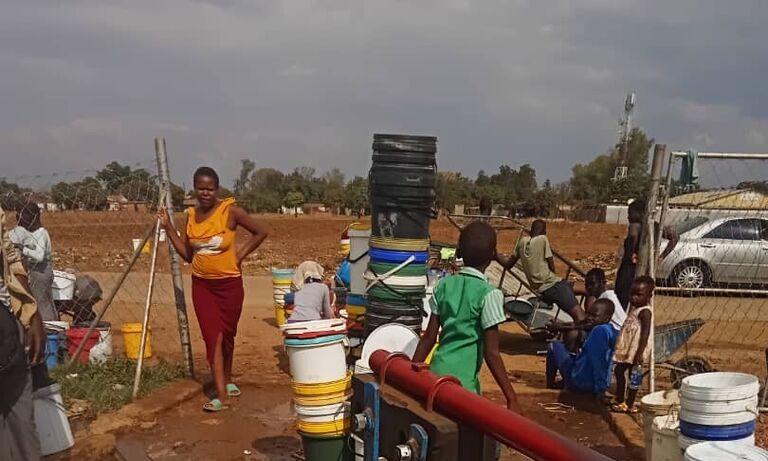
For years, the community relied on manual bush pumps that frequently broke down due to overuse and lack of proper maintenance. Every failure meant another long walk in search of water, exposing women and girls to unsafe environments and forcing them to dedicate hours each day to water collection. This burden affected their health, safety, dignity, education, and participation in economic and social activities.
It was this reality that inspired Mhazo Richard, a community leader based in Kadoma, to spearhead an initiative that would transform not only water access, but also the lives of women and girls. Working closely with the Mayor, councillors, local businesses, and community structures, he led efforts to introduce solar‑powered boreholes as a sustainable, long‑term solution.
The project was more than an infrastructure upgrade. It was a holistic intervention designed to address water scarcity, reduce gender inequality, improve safety, and elevate women and girls into leadership roles. It aimed to modernize failing bush pumps, ensure reliable clean water, relieve women’s workload, and build technical and management skills among local women and girls.
A New Era of Access, Safety, and Dignity
The installation of solarized boreholes marked a dramatic turning point for the Kadoma community. With reliable, year‑round water access, women and girls no longer spend hours walking long distances to collect water. Their daily workload has been significantly reduced, freeing time to focus on education, income‑generating activities, family care, and community participation. For girls, the impact is especially profound—school attendance has increased, and their safety has improved as they are no longer forced to walk alone to distant, often unsafe water points.
This practical change has also sparked a social transformation. Women who were once expected only to collect water are now trained operators of the solar systems. They have become community leaders overseeing water management, maintenance, and sanitation initiatives. Their confidence, decision‑making abilities, and leadership roles have grown significantly.
Health and hygiene have also improved. With reliable clean water for drinking, cooking, and sanitation, households have seen a reduction in waterborne diseases. Improved hygiene practices are now easier to maintain, contributing to healthier families and safer homes. The use of solar energy further reduces dependence on unreliable electricity and promotes environmental sustainability.
The project has reshaped the community’s understanding of women’s roles—no longer passive beneficiaries, women and girls are recognized as central partners in local development.
How the Change Happened
The transformation resulted from deliberate planning, innovation, and community collaboration. The process began with an assessment of water challenges, focusing on how the old bush pump system disproportionately affected women and girls. Recognizing this burden, the community resolved to upgrade the pumps into solar‑powered boreholes capable of providing consistent water throughout the year.
Key activities included:
- Rehabilitation of existing boreholes
- Installation of solar panels and tanks
- Training women and girls in solar technology operation and maintenance
- Hygiene and sanitation awareness campaigns
- Mobilizing community members into inclusive water management committees
Through these actions, the community shifted from a situation marked by scarcity, long queues, and frequent pump breakdowns to one where water is reliable, clean, and accessible. The project restored time, dignity, and opportunity to women and girls, and strengthened the entire community’s resilience.
Sustaining and Scaling the Change
The long‑term sustainability of the project is rooted in strong community ownership and skills development. From the planning stages, the community was fully involved, ensuring that everyone understood the importance of maintaining the infrastructure and using water responsibly.
Women‑led Water Point Committees now manage the boreholes, overseeing operations, repairs, and hygiene education. These committees received extensive training in solar system maintenance, financial management, and community coordination. A community maintenance fund, supported by small household contributions, ensures that future repairs and servicing can be handled locally without waiting for external donors. This approach strengthens ownership and reinforces sustainability.
Scaling up is already underway. Collaboration with the Kadoma City Council and the Ministry of Women’s Affairs aims to replicate the model in surrounding communities facing similar challenges. Awareness campaigns, training exchanges, and the sharing of success stories continue to inspire neighbouring wards to adopt solar‑powered water solutions.
Through ongoing community engagement, local leadership support, and the use of renewable energy, the initiative has become a model of sustainable development that improves water access while empowering women and girls across Zimbabwe.
Evidence of Change
The impact of borehole solarization is visible in both daily routines and long‑term indicators. Women and girls now spend less time collecting water, allowing them more hours for school, work, and household responsibilities. School attendance data shows a marked improvement among girls. Health records indicate fewer cases of waterborne diseases due to access to clean water.
Economically, the reliable water supply has fuelled the growth of small‑scale agricultural projects, home gardens, and other income‑generating activities—many led by women. These developments have strengthened household food security and increased income streams.
Community testimonies highlight increased confidence, improved social status of women, and greater participation in leadership structures. Regular monitoring reports from local authorities and water committees confirm consistent functioning of the solarised boreholes, responsible use, and strong community engagement.
Together, these indicators demonstrate that borehole solarization has not only improved water access but has fundamentally transformed the lives, opportunities, and wellbeing of women and girls in Kadoma.
By: Mhazo Richard
Comments
Related Drivers Of Change