South Africa: Leap, Learn, Lead: The Rise of Rural Tutors and Coaches

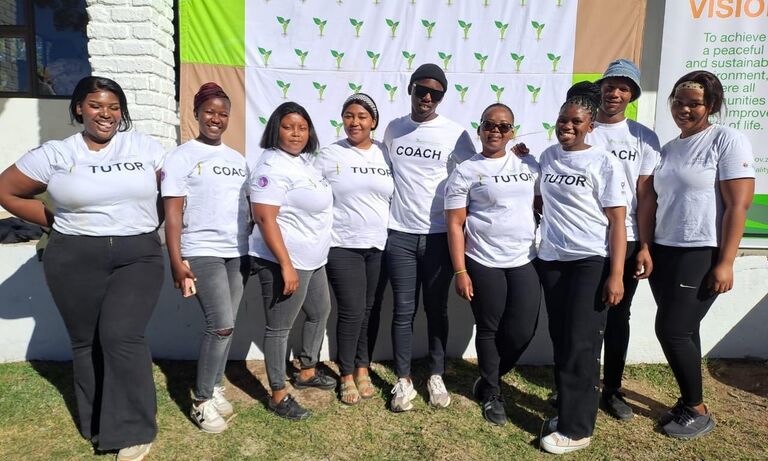
In the rural community of Nyara, South Africa, a quiet but powerful transformation is unfolding. Before the Leap Ladder Project, many children struggled with schoolwork, lacked motivation, and had no structured support system. Young adults, particularly those unemployed, faced limited opportunities to gain experience, build skills, or earn a meaningful income. The absence of guidance left both learners and youth feeling disconnected and discouraged.
The Leap Ladder Project emerged as a beacon of hope.
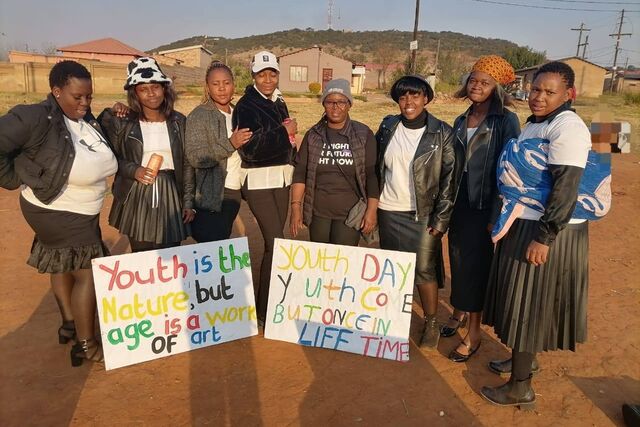
Through this initiative, young unemployed tutors and coaches received intensive training in tutoring, coaching, child safeguarding, and psychosocial support. Equipped with these tools, they began working daily with local children—supporting schoolwork, leading sports sessions, and creating safe spaces for growth and healing.
The project also introduced virtual workshops such as Emotion Aid and Job Journey, which helped participants build confidence, develop life skills, and prepare for real-world challenges.
“Connect the unconnected,” says Bongani Charlie, a local tutor. “Before this program, the kids were not connected, but by bringing us all together—tutors, kids, and the community—we all got a chance to connect, learn new sports, and discover new things. We all benefited.”The change was not just felt—it was visible. Children who once hesitated to speak now ask questions, share ideas, and arrive early for sessions. Their schoolwork is improving, and their confidence is growing. They feel safe, supported, and heard. Tutors and coaches have grown too. They’ve learned to work as a team, communicate effectively, and support children emotionally—not just academically.
“Some of us are gaining experience, and the children are learning new skills,” says Anita Mela. “This program is opening up opportunities for our future.” “We work well together as a team,” adds Phiweka Mnyukulo. “We communicate and support each other with whatever tasks we’re given. It’s true teamwork.”The success of the Leap Ladder Project is rooted in its holistic approach. It doesn’t just address academic gaps—it nurtures emotional wellbeing, builds community, and empowers youth to lead. Support from mentors, project leaders like Verdra Brown and Robn Mafanya, and the Nyara community has been instrumental. Together, they’ve created a model of change that is both impactful and sustainable.
Looking ahead, the project is poised for growth. Tutoring and coaching sessions will continue, reaching more children and deepening the impact. Tutors and coaches are motivated to further their education, with plans to pursue online courses aligned with their roles. Community support remains strong, with parents, youth, and local leaders invested in the program’s success.
Expansion is on the horizon. The team aims to scale the project to reach more young people, improve life skills, and enhance job prospects. A key strategy is collaboration—working together to sustain and amplify the impact.
“We advise other organizations to prioritize community development and focus on collaboration over competition,” the team shares. “When we lift each other up, we can achieve much more together.” The Leap Ladder Project is more than a program—it’s a movement. It’s a testament to what happens when communities invest in their youth, when education is paired with empathy, and when leadership is born from lived experience. In Nyara, the future is no longer uncertain—it’s bright, bold, and led by those who once felt left behind.
By: Jasmine Rose.
Comments
Related Stories Of Change