South Africa: Strengthening Global Youth Leadership through TLC

From Margins to Movement: The Rise of Youth Leadership in Africa
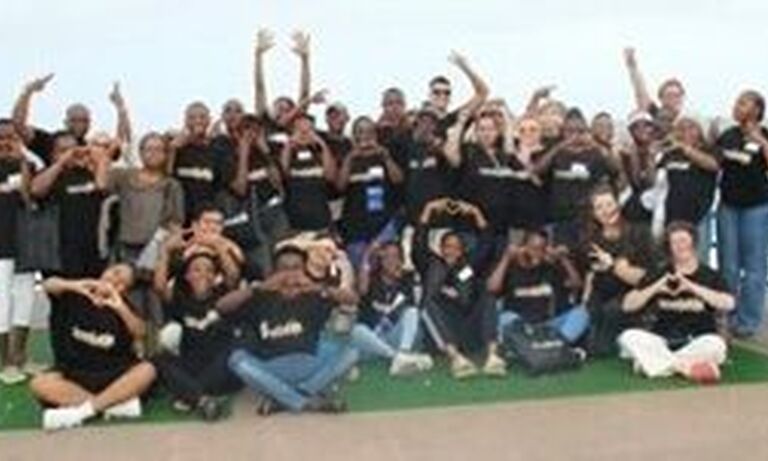
In a continent where youth voices have long been sidelined, the launch of the Transform Leadership Committee (TLC) marked a seismic shift. Held on 16 February 2025 in Durban, South Africa, the inaugural TLC meeting brought together young leaders from across Africa and beyond, united by a shared vision: to co-create a movement that is intersectional, intergenerational, and transformative.
For many participants, this was more than just a meeting. It was a moment of awakening. “We are not just participants; we are shaping the future together,” one young leader declared. This sentiment echoed throughout the gathering, as youth from diverse backgrounds found common ground in their struggles, hopes, and determination to lead change.
The TLC emerged in response to a glaring gap: the absence of a unified youth movement in Africa. Fragmented efforts and isolated activism had left many young people feeling unheard and unsupported. But this initiative, driven by collaboration across youth movements and organisations, signalled a new era. Agenda Feminist Media was invited to join the coalition, ensuring that gender justice would be a cornerstone of this emerging force.
A Collective Shift
The change was palpable. Young leaders who had previously operated on the fringes were now at the centre of decision-making. The TLC was not just symbolic, it was strategic. It laid the foundation for a pan-African youth-led organisation that prioritises feminist values, social justice, and structural transformation.
Evidence of this shift was clear in the energy and outcomes of the Durban meeting. Participants shared stories, strategies, and solidarity. They recognised that while their contexts differed, their challenges were strikingly similar. As one participant reflected, “We realized what we have in common. We share similar problems in different countries.”
Another added, “It was amazing to be part of this. I could share emotions and experiences. It was emotional and moving.” These testimonies underscore the power of connection and the importance of creating spaces where youth can lead authentically and collaboratively.
Building for the Future
Agenda Feminist Media is now rolling out a comprehensive feminist advocacy campaign to amplify the voices and visions of young African leaders. Through rebranded digital platforms, compelling content, and survivor-centred narratives, the organisation is deepening its impact.
A radio partnership will extend feminist messaging into Indigenous and rural communities, while a journal and webinar series on (inter)faith and gender will foster continental dialogue and thought leadership. These initiatives are designed not only to inform but to inspire action.
Sustainability is a key focus moving forward. Agenda is intensifying its fundraising efforts to ensure long-term viability beyond the current grant. This includes diversifying funding sources, re-engaging past donors, and exploring innovative strategies such as sponsorships and digital campaigns.
At its core, Agenda remains committed to inclusive feminist media that centres African women especially those who have been structurally excluded. Through storytelling, coalition-building, and digital innovation, the organisation is laying a strong foundation to continue shaping narratives, influencing policy, and driving feminist change across South Africa and the continent.
A Movement in Motion
The TLC is more than a committee, it is a movement in motion. It represents a collective leap forward for youth leadership in Africa, grounded in feminist principles and driven by shared purpose. As one participant powerfully stated, “It made me realize that I can make a change.”
This story is a testament to what happens when young people are not only included but empowered. It is a call to continue building, connecting, and transforming together.
By: Shireen Ragunan